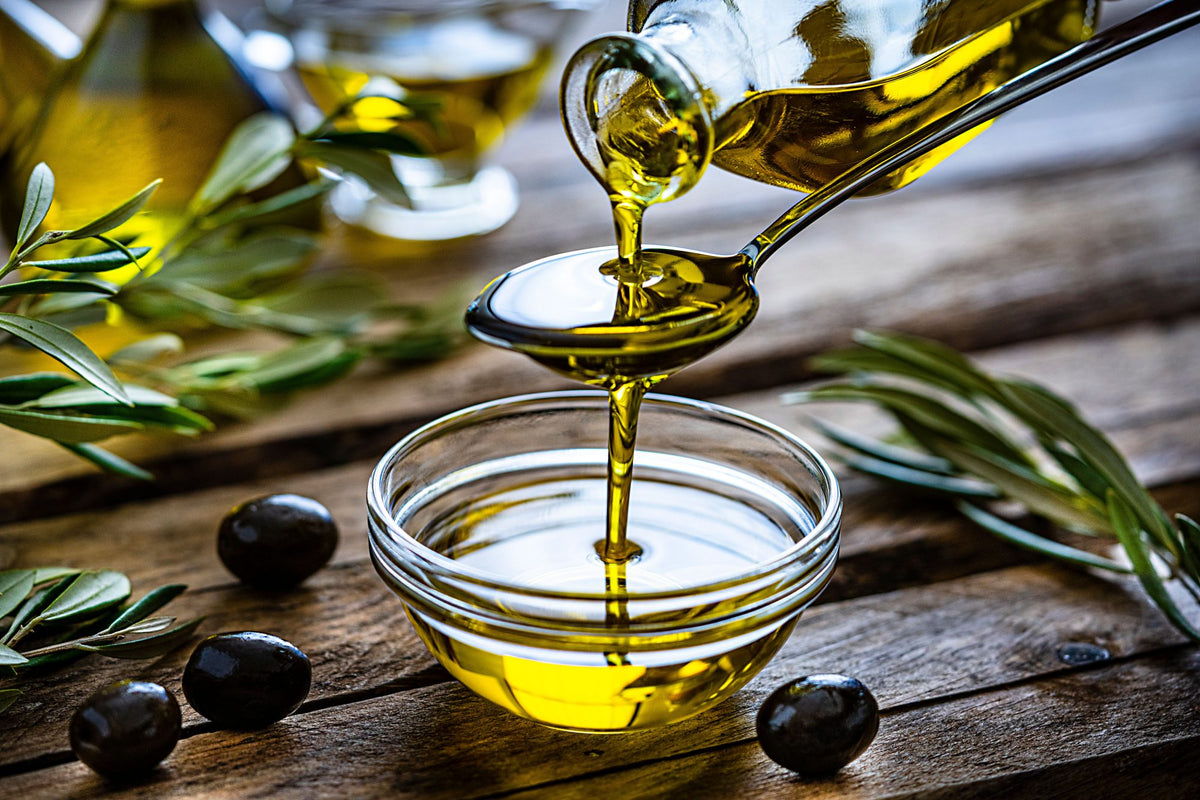
Extra virgin olive oil is a staple in many kitchens around the world, prized for its rich flavor and health benefits. Whether drizzled over a salad, used in cooking, or enjoyed with bread, the quality of olive oil can significantly impact the taste and nutritional value of your meals. Selecting the best extra virgin olive oil involves understanding its production, flavor profiles, and storage requirements. This guide will help you navigate the choices available, ensuring that your culinary adventures are both delicious and healthful.
Understanding Extra Virgin Olive Oil
Extra virgin olive oil is the highest quality olive oil available, known for its superior taste and aroma. It is produced by cold-pressing olives, which preserves the oil’s natural flavors and nutrients. Unlike other grades of olive oil, extra virgin olive oil is free from chemicals and heat during extraction.
Key Characteristics
- Low acidity level (less than 0.8%)
- Rich in antioxidants and healthy fats
- Distinctive aroma and robust flavor
Factors to Consider When Choosing Olive Oil
When selecting extra virgin olive oil, it is essential to consider various factors that affect its quality and taste.
Source and Origin
The origin of olive oil can greatly influence its flavor profile. Regions such as Italy, Spain, and Greece are renowned for their high-quality olive oils. Look for oils that specify the region and even the estate where the olives were grown.
Harvest Date
Freshness is key when it comes to olive oil. Check for the harvest date on the label to ensure you are purchasing a fresh product. Most olive oils are best consumed within 18 months from harvest.
Packaging
Quality olive oil is often packaged in dark glass bottles to protect it from light exposure, which can degrade the oil. Avoid oils in clear bottles or plastic containers.
Flavor Profiles
The flavor of extra virgin olive oil can range from mild to robust, depending on the type of olives used and their ripeness at harvest. Tasting notes may include:
- Fruity: Fresh and vibrant, with hints of green apple or citrus
- Peppery: A distinctive, spicy kick often found in high-quality oils
- Grassy: A fresh, herbaceous flavor reminiscent of freshly cut grass
How to Store Olive Oil
Proper storage of olive oil is crucial to maintaining its quality. Follow these tips to ensure your oil remains fresh:
- Store in a cool, dark place away from heat sources and direct sunlight.
- Keep the bottle tightly sealed to prevent oxidation.
- Use within a few months of opening for optimal flavor.
Conclusion
Choosing the best extra virgin olive oil involves understanding its characteristics, origin, and storage needs. By considering these factors, you can enhance your culinary creations with oils that offer both flavor and health benefits. For those seeking a premium selection, exploring a variety of options available from trusted sources can lead to discovering oils that perfectly complement your palate and cooking style.