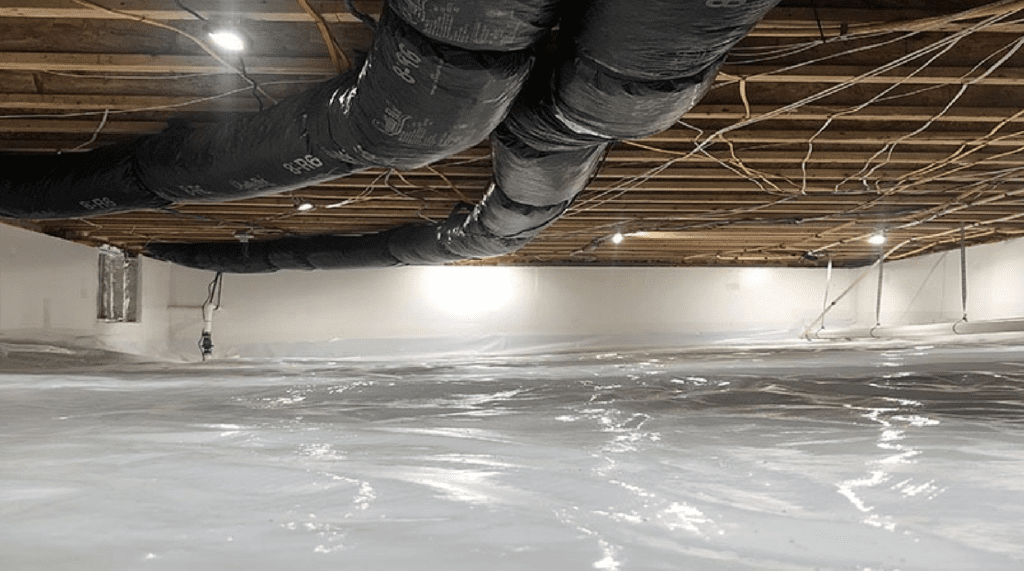
Mold in the crawl space is more than just an eyesore; it’s a potential health hazard that can compromise the structural integrity of a home. Understanding how to safely remove crawl space mold is crucial for maintaining a healthy and safe living environment. This guide will walk through the steps needed to tackle mold issues effectively, ensuring that spaces remain clean and secure.
Identifying Crawl Space Mold
Recognizing mold in its early stages is key to preventing widespread contamination. Crawl spaces are particularly vulnerable due to their often damp and dark conditions, which create an ideal environment for mold growth.
- Visible mold patches: Look for discolorations on surfaces, ranging from black, white, green, or yellow stains.
- Musty odors: A persistent, damp smell can indicate the presence of mold.
- Health symptoms: Increased allergic reactions or respiratory issues can be signs of mold exposure.
Preparing for Mold Removal
Before starting the removal process, preparation is essential to ensure safety and effectiveness. The following steps should be taken:
- Wear protective gear: Safety first. Use gloves, masks, and goggles to protect against mold spores.
- Ventilate the area: Ensure proper airflow to help disperse mold spores and reduce humidity.
- Seal off affected areas: Use plastic sheeting to contain mold spores and prevent them from spreading to other parts of the home.
Steps to Remove Crawl Space Mold Safely
Effective mold removal involves a systematic approach to eliminate existing mold and prevent future growth. Follow these steps to ensure thorough remediation:
1. Assess the Extent of Mold Growth
Start by evaluating the scale of the mold problem. Small patches might be manageable on your own, whereas extensive infestations may require professional crawl space mold remediation.
2. Remove Contaminated Materials
- Dispose of porous materials: Items like insulation or drywall that are heavily contaminated should be discarded.
- Clean non-porous surfaces: Use a mixture of water and detergent to scrub surfaces like wood or concrete.
3. Apply Mold Removal Products
After cleaning, apply mold removal solutions to eradicate any remaining spores. Choose EPA-approved products and follow the manufacturer’s instructions for safe use.
4. Dry the Area Thoroughly
Moisture control is crucial for preventing mold recurrence. Use dehumidifiers and fans to dry the crawl space completely. Consider installing a vapor barrier to keep moisture levels in check.
5. Monitor and Maintain
Regularly inspect the crawl space to catch any signs of mold early. Keep the area well-ventilated and address any water leaks or humidity issues promptly.
Preventing Future Mold Growth
Prevention is the best cure for mold problems. Implement these strategies to keep mold at bay:
- Ensure proper drainage around the home to prevent water accumulation near the foundation.
- Fix leaks promptly: Regularly inspect plumbing and roofing for any signs of leakage.
- Control humidity levels: Maintain indoor humidity below 60% using dehumidifiers if necessary.
Conclusion
Understanding how to safely remove crawl space mold is essential for maintaining a healthy home environment. By following the outlined steps and taking preventive measures, homeowners can protect their properties from the damaging effects of mold. For severe infestations, consider seeking professional remediation services to ensure a safe and thorough cleanup.