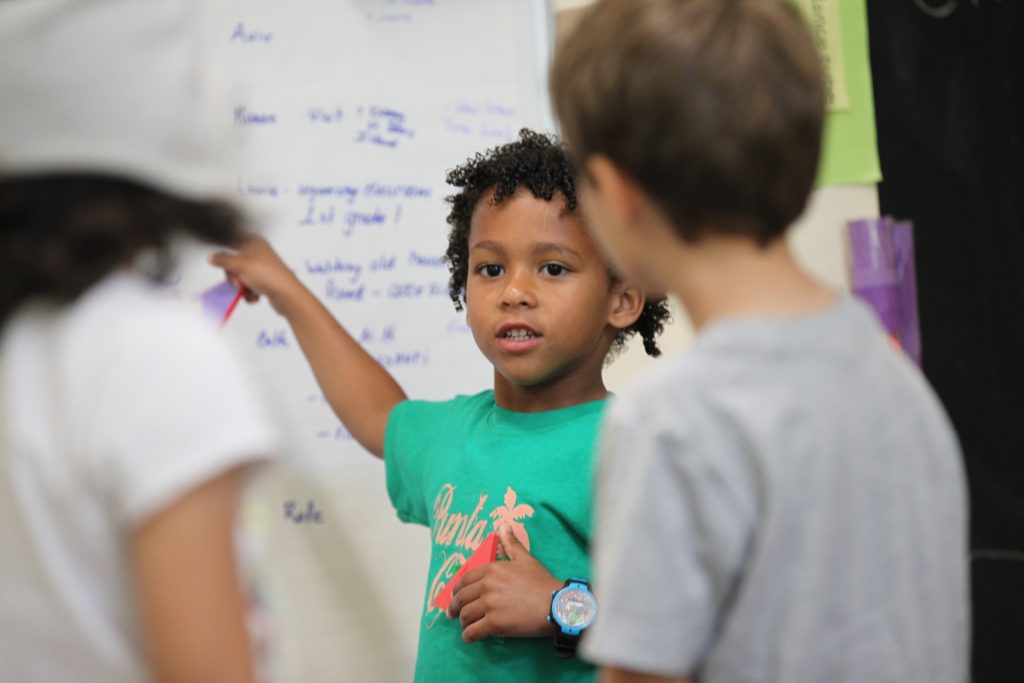
Social Emotional Learning (SEL) is an integral component of childhood education that emphasizes the development of emotional intelligence and social skills. These skills are essential for personal development and academic success. SEL provides a framework through which children learn to understand and manage emotions, set positive goals, show empathy for others, establish positive relationships, and make responsible decisions. By integrating SEL into educational curricula, educators can maximize the developmental potential of students and prepare them for future challenges.
The Importance of Social Emotional Learning
Social Emotional Learning plays a crucial role in the holistic development of children. It supports mental health, enhances academic performance, and fosters a positive school environment. Here are some key benefits of SEL:
- Improved academic outcomes due to better focus and motivation.
- Enhanced ability to empathize and collaborate with peers.
- Reduced behavioral problems and emotional distress.
- Increased self-awareness and confidence.
For a deeper understanding of SEL’s impact on academic and personal growth, discover expert strategies here.
Integrating SEL into the Curriculum
Incorporating SEL into the classroom requires strategic planning and a comprehensive approach. Educators can implement SEL through the following methods:
Classroom Activities
Engaging students in classroom activities that promote collaboration and communication is vital. Activities might include group projects, role-playing exercises, and reflective journaling. These activities help students practice empathy and develop emotional regulation skills.
School-wide Programs
Implementing school-wide SEL programs creates a consistent environment where emotional and social learning is continuously reinforced. Schools can organize workshops, assemblies, and special events to promote SEL themes. Learn about our tailored solutions for school-wide SEL implementation.
Challenges and Solutions in SEL Implementation
While the benefits of SEL are clear, schools may face challenges in its implementation. Common challenges include lack of resources, insufficient training for educators, and resistance to change. However, these can be addressed through:
- Professional development and training sessions for teachers.
- Integrating SEL into existing curricular activities to maximize resource use.
- Engaging parents and community members to support SEL initiatives.
To overcome these challenges, educators can explore advanced guides and tips to ensure successful SEL integration.
Measuring the Impact of SEL
Assessing the effectiveness of SEL programs is essential to ensure that they meet educational goals. Schools can measure impact through:
- Surveys and feedback from students, teachers, and parents.
- Monitoring changes in academic performance and behavior.
- Evaluating emotional and social skill development over time.
For more information on evaluating SEL outcomes, find out more about this approach.
By integrating Social Emotional Learning into childhood education, educators can significantly enhance the developmental trajectory of students. SEL not only equips students with essential life skills but also fosters a nurturing and inclusive learning environment. As schools adopt these practices, they prepare students to navigate the complexities of the world with confidence and empathy.