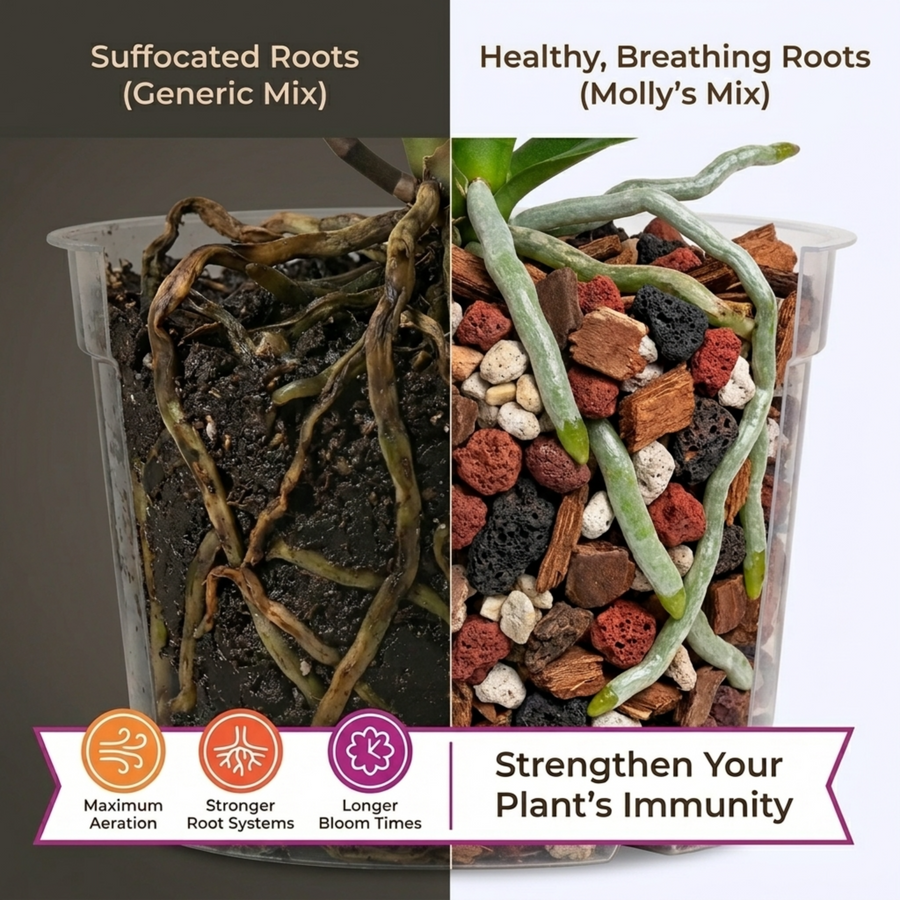
Orchids are renowned for their exquisite beauty and unique flowering patterns, making them a popular choice among plant enthusiasts. However, growing orchids requires an understanding of their specific needs, particularly when it comes to the potting mix. Unlike typical houseplants, orchids have distinct requirements, primarily because they are epiphytes, meaning they grow on other plants rather than in soil. Selecting the right orchid potting mix is crucial for their health and flowering potential. This guide aims to provide beginners with essential insights into choosing the best potting mix for orchids.
Understanding Orchid Potting Mix Components
Orchids thrive in a mix that supports their natural growth conditions. Here are some of the key components commonly found in a high-quality orchid soil:
- Bark: Often made from fir or pine, it provides excellent aeration and drainage.
- Charcoal: Helps absorb impurities and excess moisture, promoting healthier roots.
- Sphagnum Moss: Retains moisture while allowing air circulation, crucial for orchid roots.
- Perlite: Enhances drainage and prevents compaction, ensuring the roots are not waterlogged.
- Coco Coir: Derived from coconut husks, it maintains moisture and provides a slightly acidic pH level.
Choosing the Right Orchid Potting Mix
When selecting an orchid pot mixture, consider the specific orchid species and its natural habitat. Some key factors to keep in mind include:
- Species Specific Needs: Different orchids may require variations in their potting mix. For instance, Phalaenopsis orchids prefer a mix with more bark, while Paphiopedilum species may thrive better with added sphagnum moss.
- Water Retention: Orchids need a balance between moisture and air. Ensure the mix retains enough water without becoming soggy.
- Drainage: Proper drainage is vital to prevent root rot. Ensure the potting mix allows excess water to escape easily.
Potting Techniques for Beginners
Repotting Orchids
Repotting is essential to maintain healthy growth, typically recommended every 1-2 years. Follow these steps for successful repotting:
- Timing: The best time to repot is after the orchid has finished blooming.
- Root Inspection: Remove the plant from its pot and trim any dead or rotting roots.
- Choosing a Pot: Select a pot that provides ample drainage, such as one with multiple holes.
- Using Fresh Mix: Always use fresh orchid potting soil to prevent disease and provide fresh nutrients.
- Positioning: Place the orchid in the center of the pot, ensuring the base of the plant is level with the rim.
Watering Considerations
Proper watering is crucial for orchids. An effective orchid plant potting mix will help manage moisture levels. Consider these tips:
- Frequency: Water orchids once a week, or when the top layer of the mix feels dry.
- Method: Use tepid water and ensure it flows through the potting mix and out of the drainage holes.
- Humidity: Maintain a humidity level of 40-70% to mimic natural conditions.
Conclusion
With the right orchid pot mixture and proper care, orchids can thrive and reward growers with stunning blooms. Understanding their needs and maintaining suitable conditions is key to their longevity and beauty. This guide serves as a foundational step for beginners venturing into the captivating world of orchid cultivation.