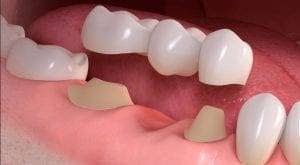
In recent years, the field of dental implant technology has witnessed groundbreaking innovations that are revolutionizing the way dental professionals approach dental restoration. With advancements in materials, techniques, and digital technology, dental implants are becoming more efficient, durable, and accessible to patients worldwide. These innovations not only enhance patient outcomes but also streamline the process for dental practitioners, setting a new standard for restorative dentistry.
Revolutionary Materials in Dental Implants
The development of new materials has significantly impacted the quality and longevity of dental implants. Modern implants are now made from highly biocompatible materials that integrate seamlessly with the jawbone, reducing the risk of rejection and promoting quicker healing.
- Titanium Alloys: Known for their strength and durability, titanium alloys continue to be a popular choice for dental implants. Their biocompatibility ensures a low risk of inflammation or infection.
- Zirconia: Offering a metal-free alternative, zirconia implants are gaining traction due to their aesthetic appeal and strong, durable nature. They are particularly favored for patients with metal allergies.
- Bioactive Materials: Recent innovations include bioactive coatings that enhance osseointegration, promoting faster and more stable integration with bone.
Advancements in Implant Design
Design improvements have played a crucial role in the advancement of dental implant technologies. Modern implants feature designs that facilitate better load distribution and improved stability.
- Tapered Implants: These implants mimic the natural shape of tooth roots, offering greater stability and support, particularly in areas with limited bone density.
- Mini Implants: Ideal for patients with insufficient bone mass, mini implants require less invasive procedures and offer quicker recovery times.
- 3D Printed Implants: Utilizing cutting-edge 3D printing technology allows for the customization of implants to fit individual patient anatomy precisely.
Digital Technology Enhancements
Digital technology has transformed dental implant procedures, making them more accurate and predictable. From planning to execution, digital innovations enhance every step of the process.
Computer-Aided Design and Manufacturing (CAD/CAM)
CAD/CAM technology facilitates the design and manufacturing of precise implant components, improving the fit and function of dental restorations. This technology allows for the creation of highly customized prosthetics that match the unique contours of each patient’s oral cavity.
Digital Imaging and Planning
Advanced imaging technologies such as CBCT (Cone Beam Computed Tomography) provide detailed 3D images of the patient’s mouth, aiding in accurate treatment planning. These images help professionals assess bone quality and determine the optimal placement of implants.
Guided Implant Surgery
Guided surgery utilizes digital planning tools to create a precise surgical template, ensuring that implants are placed with the utmost accuracy. This reduces the risk of complications and enhances the overall success rate of the procedure.
Future Prospects in Dental Implant Technology
The future of dental implants looks promising with ongoing research and development aimed at improving patient outcomes and expanding the scope of treatments available. Emerging trends include:
- Smart Implants: Integrating sensors and other technologies to monitor implant health and provide real-time feedback to practitioners.
- Regenerative Techniques: Exploring the use of stem cells and tissue engineering to enhance bone regeneration and implant integration.
- Nanotechnology: Utilizing nanoparticles to improve the surface properties of implants, promoting better osseointegration and reducing the risk of infection.
As the landscape of dental implant technology continues to evolve, staying informed about the latest innovations is crucial for both professionals and patients. These advancements not only promise enhanced aesthetic and functional outcomes but also highlight the commitment to improving oral health care standards universally.