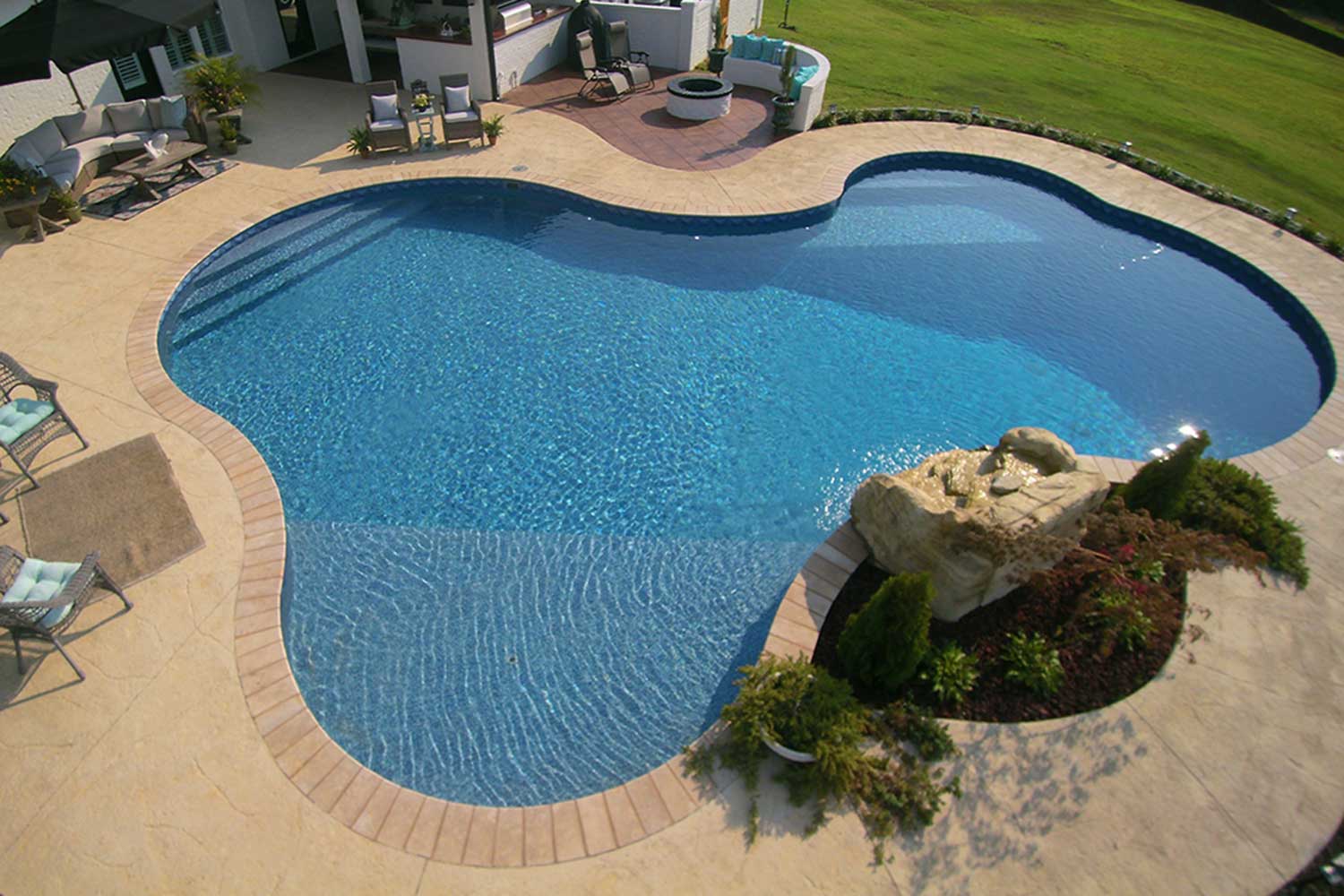
Maintaining a swimming pool can be an enjoyable yet demanding task. The allure of a crystal-clear pool is undeniable, but achieving and maintaining that clarity requires consistent effort and knowledge. From routine maintenance to addressing repair needs, understanding the basics of pool service is crucial for any pool owner. This guide provides a comprehensive overview of essential pool service repair and maintenance practices, ensuring that your pool remains a safe and enjoyable oasis.
Understanding Pool Maintenance Basics
Routine Cleaning and Upkeep
- Skimming: Remove leaves, debris, and insects from the pool’s surface daily to prevent them from sinking and causing stains or algae growth.
- Vacuuming: Regular vacuuming, either manually or with an automatic pool cleaner, ensures the pool floor remains free of dirt and debris.
- Brushing: Brush the walls and tiles of the pool weekly to prevent algae buildup and maintain a spotless appearance.
Read more about this topic at this link.
Water Chemistry Management
- pH Levels: Maintain pH levels between 7.2 and 7.8 for optimal water quality and comfort.
- Chlorine Levels: Regularly test and adjust chlorine levels to ensure effective sanitation and prevent the growth of harmful bacteria.
- Alkalinity: Keep alkalinity levels between 80 and 120 ppm to buffer pH levels and prevent rapid fluctuations.
Explore further insights here.
Essential Pool Repair Practices
Addressing Leaks
Pool leaks can lead to significant water loss and increased utility bills. Identifying and repairing leaks promptly is crucial for maintaining the pool’s integrity. Common signs of leaks include:
- Unexplained water level changes.
- Wet spots around the pool area.
- Increased chemical usage.
Find additional information here on how to tackle pool leaks effectively.
Repairing Pool Equipment
Pool equipment such as pumps, filters, and heaters require regular inspection and maintenance. Common issues include:
- Noise from the pump indicating potential mechanical issues.
- Reduced water flow suggesting a clogged filter.
- Inconsistent heating pointing to heater malfunctions.
Learn more in this detailed guide available here.
Preventative Measures for Longevity
Regular Inspections
Conducting regular inspections of your pool and equipment can help identify potential issues before they escalate. Consider scheduling professional inspections annually to ensure comprehensive evaluations.
Seasonal Preparations
Preparation for seasonal changes is vital in preserving the pool’s condition. Key considerations include:
- Winterizing the pool to prevent freeze damage in colder climates.
- Reopening procedures to ensure the pool is ready for use as temperatures rise.
Learn more about effective seasonal preparations by visiting this page.
By adhering to these guidelines, pool owners can ensure their pools remain in optimal condition, providing a safe and enjoyable environment for all users. Consistent maintenance and timely repairs are key elements in prolonging the lifespan of a pool and its equipment. For those seeking further guidance or professional assistance, numerous resources are available online to support pool maintenance endeavors.