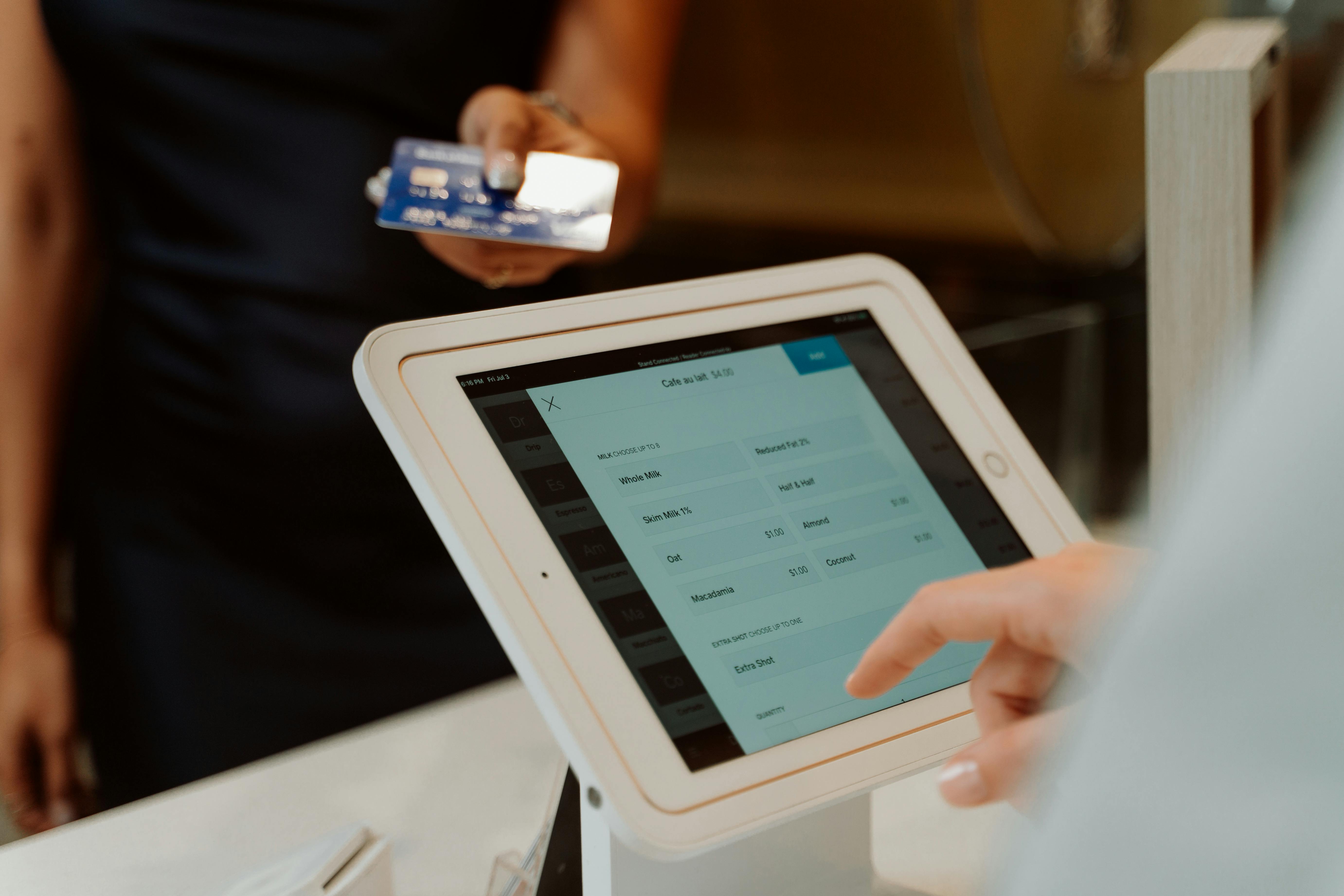
In today’s rapidly evolving business landscape, the integration of automation into service-based businesses is no longer a luxury but a necessity. With the advancement of artificial intelligence and machine learning technologies, service businesses have an unprecedented opportunity to elevate their operations, enhance customer satisfaction, and optimize efficiency. Automation not only streamlines processes but also allows businesses to focus on what truly matters: delivering exceptional service and value to customers. This article explores how automation can revolutionize service businesses and offers insights into implementing these technologies effectively.
Understanding Automation in Service Businesses
Automation in the service industry refers to the use of technology to perform tasks with minimal human intervention. This can range from simple repetitive tasks to more complex processes, including customer interactions and data analysis. The benefits of automation are manifold:
- Increased Efficiency: Automation reduces the time spent on routine tasks, allowing employees to focus on higher-value activities.
- Consistency and Accuracy: Automated processes ensure consistent outcomes, reducing the chance of human error.
- Cost Savings: By optimizing resource allocation, businesses can significantly cut operational costs.
- Scalability: Automation solutions can grow with the business, accommodating increasing volumes without a proportional increase in labor costs.
To understand how automation can be tailored to specific business needs, discover expert strategies here.
Implementing Automation: Key Areas to Focus On
Customer Service Automation
Automating customer service can significantly enhance the customer experience by providing prompt responses and 24/7 availability. Key technologies include:
- Chatbots: These AI-powered tools can handle common inquiries, freeing up human representatives for more complex issues.
- Automated Call Routing: Directs customers to the appropriate department or representative, reducing wait times and frustration.
- Email Automation: Streamlines communication workflows, ensuring timely responses and follow-ups.
For tailored solutions that align with specific business needs, learn about our tailored solutions.
Marketing Automation
Marketing automation tools can help service businesses reach their target audience more effectively, with minimal manual effort. Benefits include:
- Personalized Campaigns: Automatically segment audiences based on behavior and preferences to deliver targeted messages.
- Lead Management: Streamlines the process of capturing, nurturing, and converting leads.
- Performance Analytics: Provides insights into campaign effectiveness, allowing for data-driven decisions.
To explore advanced guides and tips on leveraging marketing automation, explore advanced guides and tips.
Challenges and Considerations
While automation offers significant benefits, businesses must address certain challenges to ensure successful implementation:
- Integration with Existing Systems: Ensure new automation tools seamlessly integrate with current systems.
- Employee Training: Equip staff with the necessary skills to work alongside automated systems.
- Data Security: Protect sensitive customer data by implementing robust cybersecurity measures.
- Customer Adaptation: Educate customers on interacting with automated systems to avoid frustration.
For more insights into tackling these challenges, find out more about this approach.
Conclusion
In conclusion, automation offers service businesses a powerful tool to enhance efficiency, improve customer interactions, and reduce operational costs. By strategically implementing automation solutions, businesses can position themselves for long-term success in an ever-competitive market. The key lies in understanding the specific needs of the business and selecting appropriate technologies that align with the overall business strategy. As the automation landscape continues to evolve, service businesses that embrace these changes will be better equipped to meet the demands of modern consumers and achieve sustainable growth.