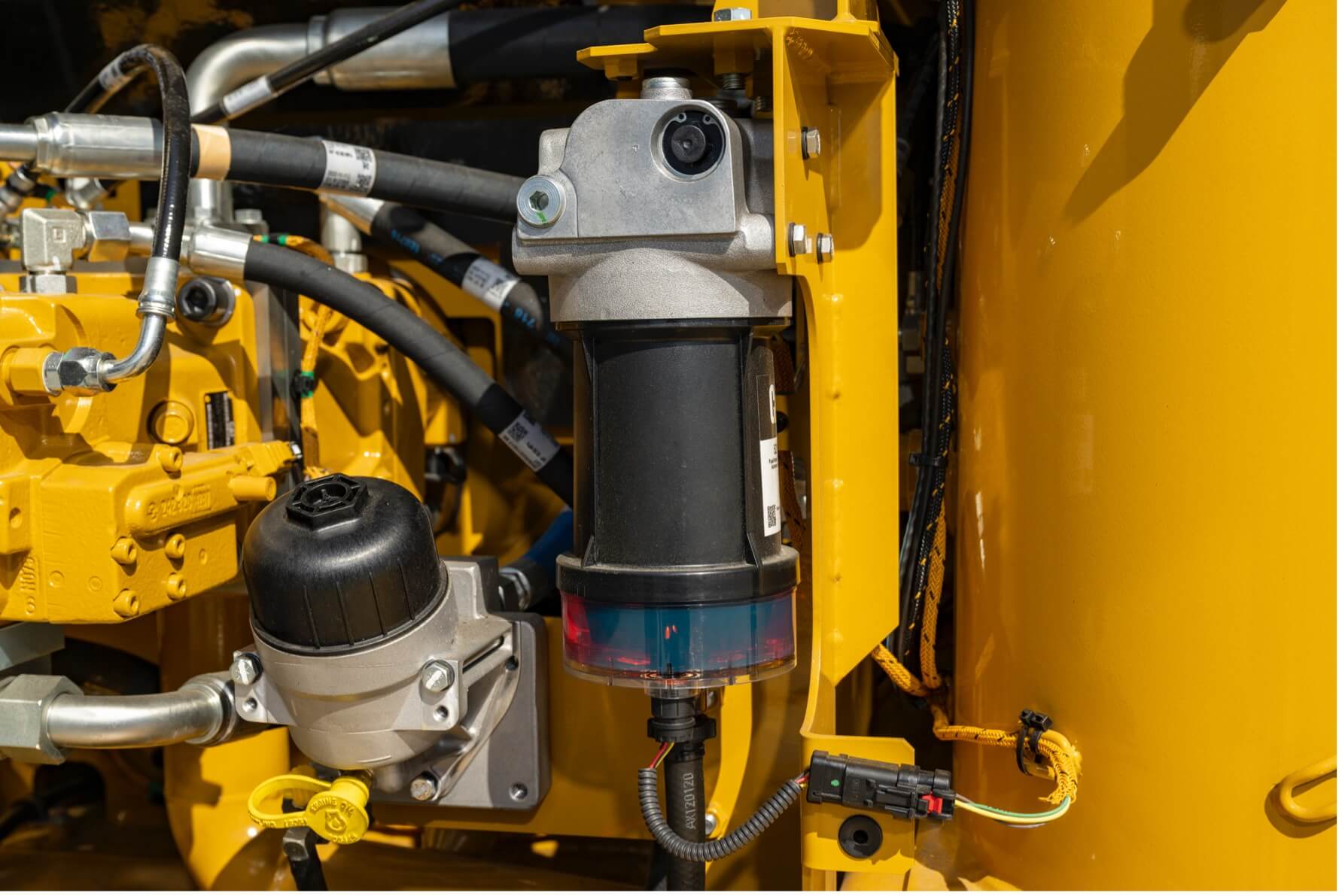
Hydraulic equipment plays a crucial role in various industrial applications, from manufacturing to construction. Ensuring the optimal performance and longevity of hydraulic systems requires regular maintenance. Proper maintenance not only extends the lifespan of the equipment but also enhances safety and efficiency. This guide delves into the essential aspects of hydraulic equipment maintenance, providing valuable insights for maintaining peak operational performance.
Understanding Hydraulic Equipment
Hydraulic systems are integral to many industries, providing the necessary force and movement through the use of fluid power. Key components include pumps, motors, cylinders, valves, and hoses. Regular maintenance is vital for these components to function correctly and prevent operational failures.
Key Components of Hydraulic Equipment
- Hydraulic lift components: These include cylinders, pumps, and valves crucial for lifting and moving heavy loads.
- Hydraulic fluids: The lifeblood of hydraulic systems, responsible for transmitting power.
- Filters and seals: Essential for keeping contaminants out and ensuring system integrity.
Importance of Regular Maintenance
Neglecting maintenance can lead to costly repairs and downtime. Regular checks and servicing help in:
- Reducing the risk of equipment failure and operational downtime.
- Extending the lifespan of the hydraulic lift cylinder and other components.
- Ensuring safety standards are met, preventing workplace accidents.
- Maintaining system efficiency, leading to energy and cost savings.
Hydraulic Equipment Maintenance Checklist
Implementing a structured maintenance schedule is essential. Here”?s a checklist to ensure comprehensive maintenance:
- Regular Inspections: Conduct visual inspections for leaks, wear, and damage. Pay attention to hoses, seals, and connections.
- Fluid Checks: Monitor oil levels and quality. Change the hydraulic fluid periodically to maintain optimal performance.
- Filter Replacement: Replace filters at recommended intervals to prevent contamination and clogging.
- System Testing: Regularly test the system”?s pressure and performance to detect potential issues early.
- Component Servicing: Service critical components like lift hydraulics to ensure they operate smoothly.
Best Practices for Hydraulic Maintenance
Adhering to best practices can significantly enhance the effectiveness of maintenance efforts. Consider the following:
- Utilize high-quality hydraulic fluids and parts to prevent premature wear.
- Train personnel in proper handling and maintenance techniques.
- Implement a proactive maintenance schedule rather than a reactive one.
Conclusion
Maintaining hydraulic equipment is paramount for operational efficiency and safety. By implementing regular maintenance routines and following best practices, businesses can ensure the reliability and longevity of their hydraulic systems. Understanding the importance of each component, such as the hydraulic equipment, and the role it plays can lead to more informed maintenance decisions, ultimately resulting in improved performance and reduced operational costs.