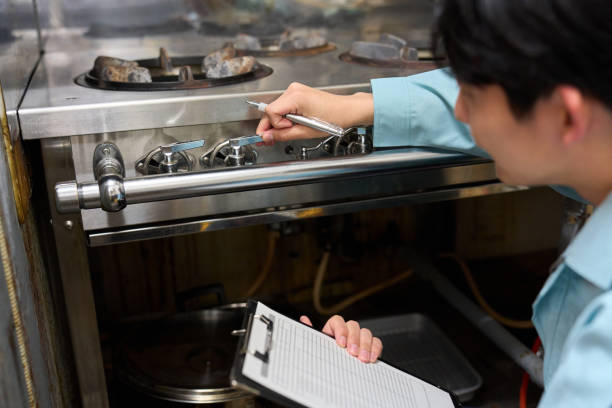
In the fast-paced world of the culinary arts, the efficiency of a commercial kitchen is paramount. Whether it’s the precision of the cooking equipment or the reliability of refrigeration units, every component plays a vital role in maintaining the smooth operation of a food service establishment. Consequently, when equipment malfunctions, it is crucial to address these issues promptly and effectively to minimize downtime and ensure continuous service delivery. This article explores expert strategies for maximizing efficiency in commercial kitchen repair, offering valuable insights into maintaining kitchen operations at peak performance.
Understanding Common Issues
Commercial kitchens encounter a wide range of equipment-related challenges. Understanding these common issues helps in implementing timely and effective solutions.
- Malfunctioning Ovens: Temperature inconsistencies in ovens can lead to uneven cooking, affecting food quality.
- Refrigeration Failures: Inadequate cooling may result in food spoilage, posing health risks.
- Clogged Drains: Slow drains can lead to unsanitary conditions and require immediate attention.
- Gas Leaks: Leaking gas lines not only disrupt cooking processes but also pose significant safety hazards.
- Electrical Faults: Faulty wiring or connections can interrupt power supply to essential kitchen equipment.
Implementing Preventative Maintenance
Preventative maintenance is critical in minimizing the risk of equipment failure. Regular inspections and servicing can identify potential issues before they escalate. Here are some recommended strategies:
- Schedule Routine Inspections: Engage qualified technicians to conduct regular assessments of kitchen equipment.
- Clean and Calibrate: Regular cleaning and calibration ensure optimal performance and extend equipment lifespan.
- Monitor Equipment Performance: Utilize technology to track equipment performance and receive alerts for any anomalies.
- Train Staff: Provide training to kitchen staff on proper equipment usage and basic troubleshooting techniques.
Choosing the Right Repair Services
Selecting the right repair service is crucial for effective commercial kitchen repair. Consider the following factors when choosing a repair service provider:
- Experience and Expertise: Ensure the provider has extensive experience with commercial kitchen equipment.
- Response Time: Quick response times are essential to minimize kitchen downtime.
- Availability of Parts: Opt for a service that has access to a wide range of spare parts for quick replacements.
- Comprehensive Services: A provider offering a broad spectrum of services ensures all potential issues can be addressed.
Utilizing Technology for Efficient Repairs
Technology plays a significant role in enhancing the efficiency of repair processes. Consider integrating the following tools:
- Remote Monitoring Systems: These systems alert technicians to potential issues, allowing for proactive maintenance.
- Mobile Apps: Apps enable technicians to access repair manuals and diagnostic tools on-site, streamlining the repair process.
- Digital Logbooks: Maintain digital records of past repairs and maintenance schedules for easy access and tracking.
Cost Management Strategies
Effective cost management is essential in controlling repair and maintenance expenses. Here are some strategies to consider:
- Negotiate Service Contracts: Long-term contracts with repair services can lead to cost savings and preferred service terms.
- Optimize Equipment Usage: Proper usage of equipment reduces wear and tear, minimizing repair frequency.
- Invest in Quality Equipment: While the initial investment may be higher, quality equipment often incurs fewer repairs over time.
By adopting these expert strategies, commercial kitchen operators can ensure their kitchens run efficiently, minimizing disruptions and maintaining high standards of service. Whether through preventative maintenance, selecting the right repair services, or leveraging technology, these approaches serve to enhance the operational efficiency of any commercial kitchen.