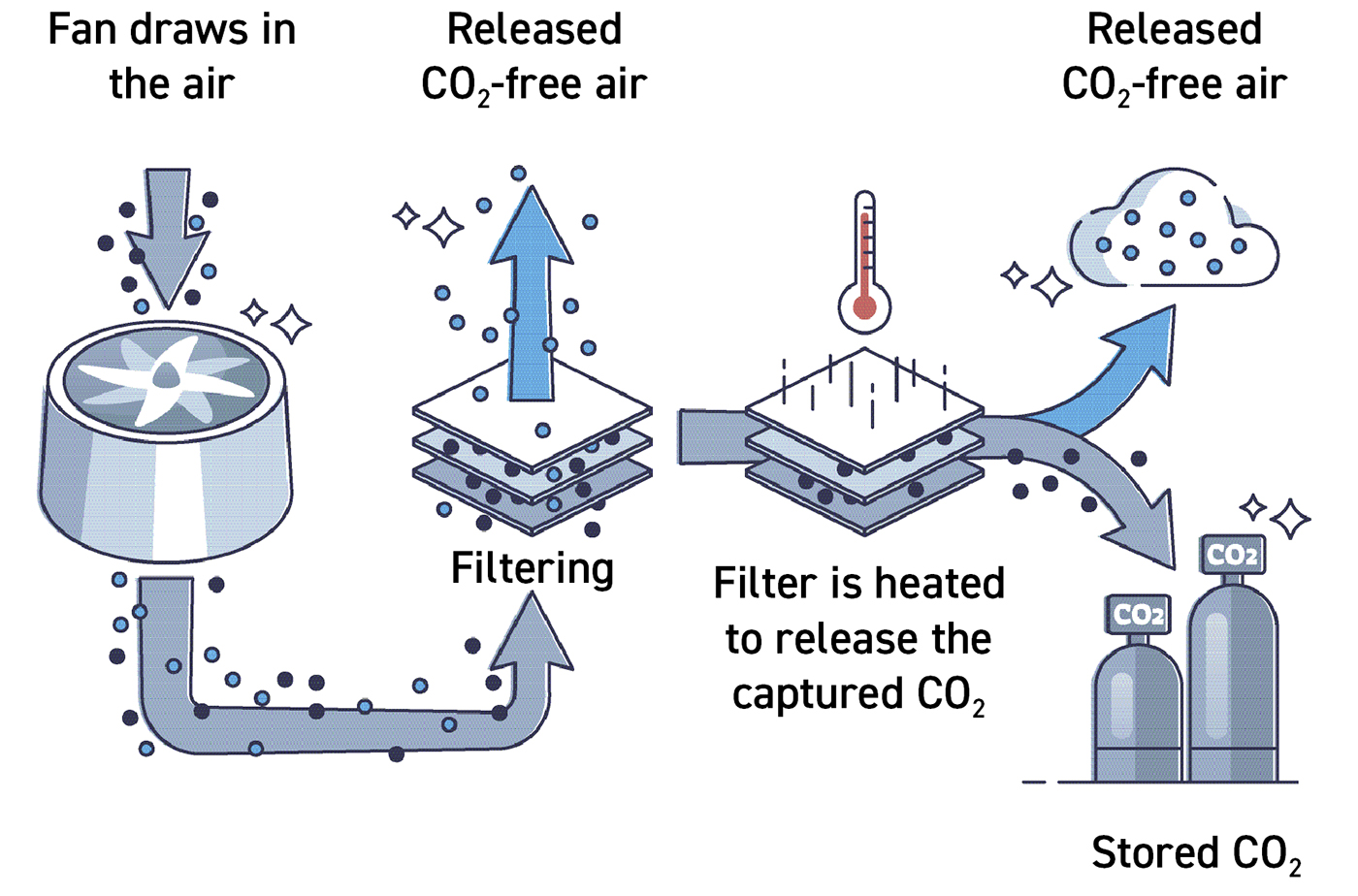
In the quest for a sustainable future, renewable energy sources such as solar, wind, and hydroelectric power have gained significant traction. However, to maximize their environmental benefits, it is crucial to focus on enhancing carbon capture efficiency. This process involves capturing carbon dioxide emissions at their source to prevent them from entering the atmosphere. As the demand for clean energy grows, integrating effective carbon capture technologies with renewable sources becomes paramount. This article delves into the strategies and technologies essential for achieving optimal carbon capture efficiency in renewable energy.
Understanding Carbon Capture in Renewable Energy
Carbon capture involves the process of trapping carbon dioxide emissions produced by industrial processes and power generation, sequestering it to prevent its release into the atmosphere. When applied to renewable energy, carbon capture can significantly reduce the carbon footprint, making energy production even more sustainable. The primary goal is to ensure that the energy generated is as clean as possible, aligning with global efforts to mitigate climate change.
Strategies to Enhance Carbon Capture Efficiency
Advanced Capture Technologies
Technological advancements play a crucial role in improving carbon capture efficiency. Innovative methods such as chemical absorption, adsorption, and membrane technology are at the forefront:
- Chemical Absorption: Utilizes solvents to absorb carbon dioxide from exhaust gases. This method is widely used in industrial settings and can be adapted for renewable energy plants.
- Adsorption: Leveraging solid materials to capture carbon dioxide. This method is effective in scenarios where gas streams have varying compositions.
- Membrane Technology: Employs selective barriers to separate carbon dioxide from other gases. It is particularly useful in scenarios where compact and efficient solutions are needed.
Integration with Renewable Sources
For renewable energy systems, integrating carbon capture requires a strategic approach:
- Co-location with Biomass Plants: Biomass energy is considered carbon neutral as it involves the combustion of organic materials. By integrating carbon capture, these plants can achieve negative emissions.
- Hybrid Systems: Combining solar, wind, and carbon capture technologies can optimize energy production and reduce emissions simultaneously.
- Geothermal Energy: Utilizing geothermal plants for carbon capture is effective due to the stable and consistent energy production, which facilitates continuous operation of capture systems.
Challenges and Opportunities
Technological and Economic Barriers
Despite the potential, there are several challenges associated with deploying carbon capture in renewable energy systems:
- High Initial Costs: The deployment of sophisticated capture technologies requires significant investment.
- Energy Penalty: Carbon capture processes can consume a portion of the energy produced, affecting overall efficiency.
- Scalability: Scaling up carbon capture technologies to match renewable energy output presents logistical challenges.
Future Prospects
As research and development continue, the prospects for carbon capture in renewable energy are promising:
- Cost Reduction: Innovations and increased adoption are expected to drive down costs, making carbon capture more viable.
- Policy Support: Government incentives and regulations can accelerate the adoption of carbon capture technologies.
- Global Collaboration: Collaboration between industries, governments, and academia can facilitate knowledge exchange and technology transfer.
Conclusion
The integration of carbon capture technologies with renewable energy presents a viable pathway towards sustainable and environmentally friendly energy production. By focusing on enhancing carbon capture efficiency, significant strides can be made in reducing the carbon footprint of energy generation. Continued investment, innovation, and collaboration are essential to overcome current challenges and unlock the full potential of these technologies. As the world progresses towards cleaner energy solutions, carbon capture will undoubtedly play a pivotal role in shaping a sustainable future.