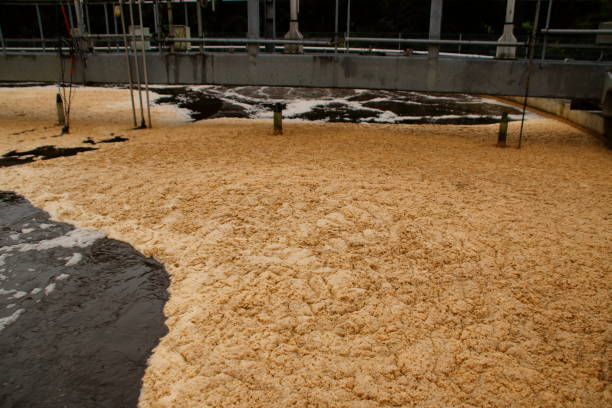
In the competitive landscape of manufacturing, operational efficiency is a critical determinant of success. Foam formation is a common challenge that manufacturers encounter, which can lead to operational inefficiencies, increased costs, and compromised product quality. Addressing this issue holistically can significantly enhance manufacturing processes. Utilizing antifoam chemicals offers a potent solution to mitigate foam-related complications, ensuring smooth operations and optimized productivity.
Understanding Foam Formation in Manufacturing
Foam is a colloidal system of gas dispersed in a liquid, often emerging in manufacturing processes involving agitation, aeration, or mixing. Foam not only occupies excessive space but also hampers the efficiency of processing equipment. The presence of foam can cause:
- Poor heat transfer, leading to inefficient cooling or heating processes.
- Reduced capacity in reactors and tanks.
- Operational delays due to overflow or spillage.
- Compromised product quality due to contamination or inconsistent processing.
Role of Antifoam Chemicals
Antifoam chemicals are specifically designed to control and eliminate foam formation, thereby enhancing the efficiency of manufacturing processes. These chemicals work by disrupting the foam film, allowing trapped air to escape and preventing further foam development. There are various types of antifoam agents available, each tailored to specific industrial needs.
Types of Antifoam Chemicals
- Silicone-based Antifoams: Highly effective in diverse applications, including food processing and wastewater treatment.
- Non-silicone Antifoams: Suitable for environments where silicone contamination must be avoided.
- Water-based Antifoams: Ideal for applications requiring low active ingredient concentrations.
Benefits of Using Antifoam Chemicals
The integration of antifoam chemical solutions in manufacturing processes can yield multiple benefits:
- Increased Equipment Efficiency: By minimizing foam, equipment performance and lifespan are enhanced.
- Reduced Operational Costs: Lower energy consumption and reduced downtime translate to cost savings.
- Enhanced Product Quality: Consistent processing conditions help maintain product integrity.
- Environmental Compliance: Reduced emissions and waste align with sustainability goals.
Implementing Antifoam Solutions
Effective implementation of antifoam solutions requires a systematic approach, including:
- Assessment of Foam Issues: Understanding the root causes and characteristics of foam within the specific process.
- Selection of Appropriate Antifoam: Choosing the right type of antifoam chemical based on the application and industry requirements.
- Monitoring and Adjustment: Continual monitoring of foam levels and adjusting dosages to optimize performance.
- Consultation with Experts: Collaborating with industry experts can provide insights and tailored solutions for complex foam challenges.
Conclusion
Manufacturers striving for operational excellence must address foam-related issues proactively. The strategic use of antifoam chemicals can significantly improve manufacturing efficiency, reduce costs, and ensure high-quality outcomes. By understanding the dynamics of foam formation and choosing suitable antifoam agents, manufacturers can maintain seamless operations and achieve their productivity goals.