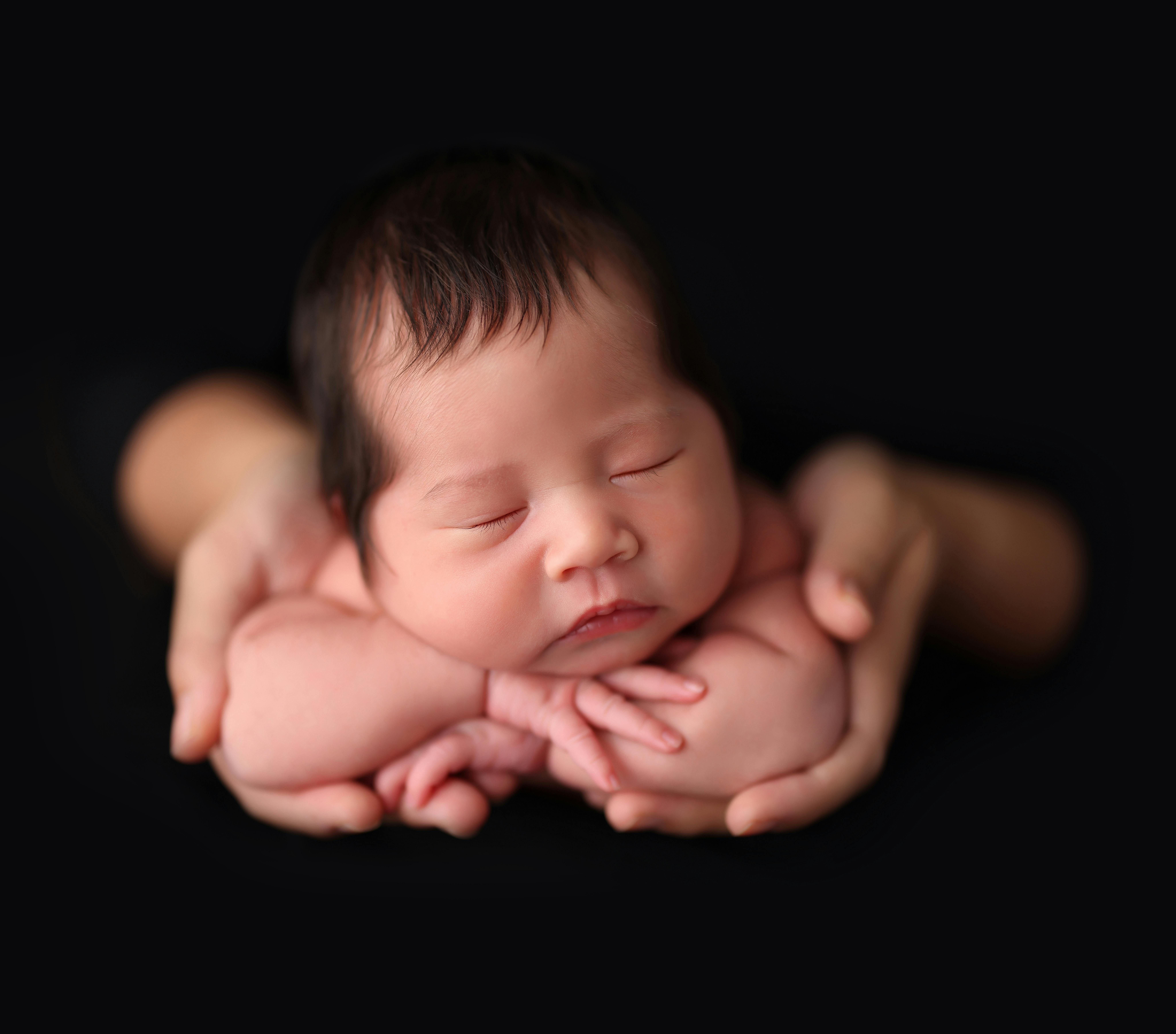
Newborn photography is a heartwarming experience that captures the earliest moments of a child’s life, preserving memories that last a lifetime. It requires a unique blend of technical skill, creativity, and patience. For those venturing into this specialized field, understanding the nuances can make all the difference. This article provides insightful tips and strategies to help photographers capture those precious moments with finesse and professionalism.
Understanding the Basics
Before diving into the creative aspects, it’s crucial to have a solid grasp of the basics. Newborn photography demands a particular set of skills and knowledge.
- Safety First: Always prioritize the baby’s safety. Ensure the environment is warm and comfortable, and never attempt risky poses.
- Equipment Essentials: Invest in a quality camera and lens. A 50mm lens is often recommended for its versatility.
- Lighting: Natural light is ideal for newborn photography, providing a soft and gentle look.
- Timing: The ideal time for newborn sessions is within the first two weeks of birth when babies are more likely to sleep and easier to pose.
For more foundational advice, discover expert strategies here.
Creative Composition Techniques
Once the basics are mastered, photographers can explore various creative techniques to enhance their newborn photography.
Posing and Props
- Posing: Simple poses such as the baby curled up or lying on their back are effective. Experiment with angles to find the most flattering perspectives.
- Props: Use soft blankets, wraps, and baskets to add texture and interest. Ensure props are safe and comfortable for the baby.
Explore advanced guides and tips on using props effectively here.
Capturing Emotion
Newborn photos should evoke emotion and tell a story.
- Focus on Details: Capture close-ups of tiny fingers, toes, and eyelashes to highlight the newborn’s delicate features.
- Family Involvement: Including parents and siblings can add depth and context to the photos.
Find out more about this approach here.
Post-Processing Tips
Post-processing can enhance the quality of newborn photographs, allowing photographers to refine their artistic vision.
- Edit with Care: Use editing software to adjust brightness, contrast, and color balance. Aim for a natural look that preserves the baby’s features.
- Retouching: Gently retouch skin imperfections while maintaining a natural appearance.
- Black and White Photos: Consider converting some images to black and white for a timeless feel.
Learn about our tailored solutions for editing newborn photography here.
Conclusion
Newborn photography is both challenging and rewarding, requiring a delicate balance of technical skill and creative artistry. By understanding the basics, employing creative techniques, and utilizing effective post-processing strategies, photographers can create images that families will treasure forever. For those seeking to refine their skills and explore innovative methods, explore advanced guides and tips to elevate the art of newborn photography.