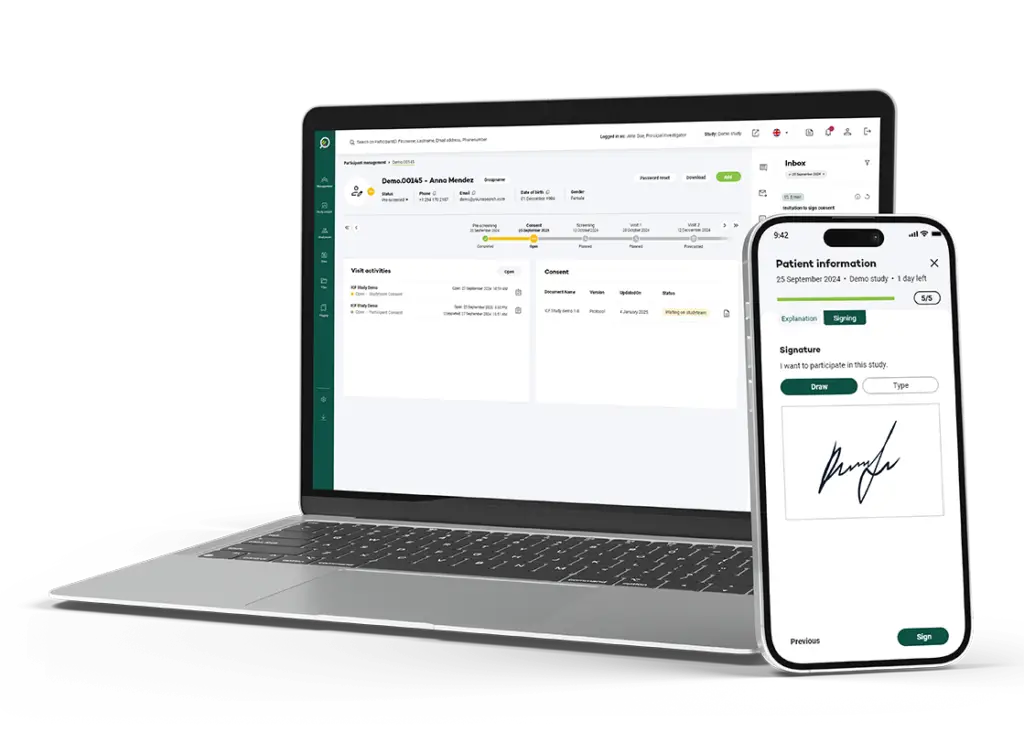
In today’s rapidly advancing healthcare landscape, remote patient monitoring (RPM) has emerged as a critical component in providing efficient and effective patient care. The shift towards virtual health solutions has been accelerated by the need for continuous patient engagement, especially for chronic disease management and post-operative care. Selecting the right remote patient monitoring software is vital for healthcare providers to enhance patient outcomes while ensuring data security and compliance. This article aims to guide healthcare professionals in choosing the most suitable RPM software by exploring key considerations, features, and integration capabilities.
Key Considerations for Selecting RPM Software
When evaluating remote patient monitoring software, several critical factors must be considered to ensure that the technology meets both clinical and operational needs.
- Usability: The software should be user-friendly for both healthcare providers and patients. A complex interface can hinder patient engagement and data tracking.
- Data Security: Protecting patient data is paramount. Ensure the software complies with regulations such as HIPAA and employs robust encryption methods.
- Scalability: Choose a solution that can grow with the practice, accommodating an increasing number of patients and integrating with other health systems.
- Cost-effectiveness: Consider both the initial investment and ongoing operational costs to ensure the software is economically viable.
- Interoperability: The ability to integrate seamlessly with existing electronic health records (EHR) and other health IT systems is critical for streamlined operations.
Essential Features of RPM Software
Identifying the essential features of remote patient monitoring software can significantly impact the quality of care and operational efficiency.
Real-time Data Collection and Analysis
Advanced RPM solutions offer real-time data collection, allowing healthcare providers to monitor patients’ vital signs and conditions continuously. This capability enables timely interventions and personalized care plans. Discover expert strategies here for implementing effective data analytics in patient care.
Customizable Alerts and Notifications
The ability to customize alerts for specific thresholds ensures that healthcare providers are promptly informed of any critical changes in a patient’s condition. This feature is essential for proactive patient management and reducing hospital readmissions.
Patient Engagement Tools
Engaging patients is crucial for the success of any remote monitoring program. Features such as educational content, video consultations, and secure messaging can enhance patient adherence and satisfaction. Learn about our tailored solutions to boost patient engagement using technology.
Integration with Existing Systems
The integration of RPM software with current health IT systems, such as EHR and practice management software, is crucial for ensuring seamless operations and comprehensive patient care.
- EHR Integration: Seamless integration with EHR systems allows for automatic data entry and reduces the risk of errors associated with manual data handling.
- Third-party Device Compatibility: The software should be compatible with a wide range of third-party devices, such as wearable health monitors and IoT medical devices.
- APIs and Custom Integrations: Access to APIs and support for custom integrations can enhance the functionality of the software in line with specific organizational needs. Explore advanced guides and tips on integrating RPM solutions with existing systems.
Conclusion
Choosing the best remote patient monitoring software involves a careful assessment of various factors, including usability, data security, scalability, and integration capabilities. By focusing on these key areas, healthcare providers can implement a solution that not only meets their current needs but also adapts to future demands. The ultimate goal is to enhance patient outcomes and streamline healthcare delivery. For further insights into selecting the right RPM software, find out more about this approach to empower healthcare professionals with cutting-edge tools and strategies.