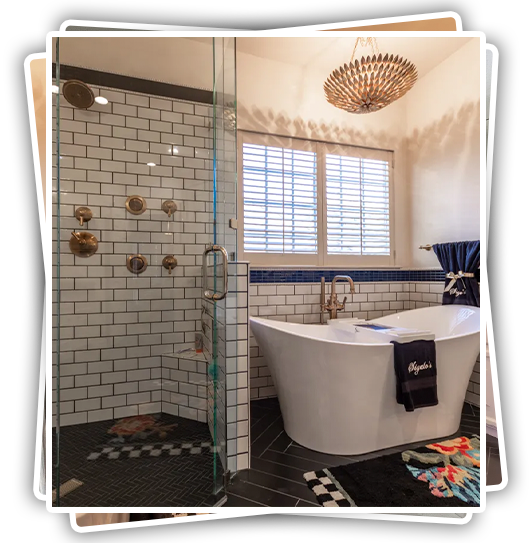
As the population ages, the need for accessible and safe living spaces becomes increasingly important. One of the most crucial areas to consider when ensuring safety and comfort for elderly residents is the bathroom. An accessible bathroom not only enhances safety but also promotes independence and quality of life. Renovations tailored for elderly residents should prioritize functionality, ease of use, and safety features that cater to their specific needs.
Understanding the Needs of Elderly Residents
When planning bathroom renovations for elderly”?, it is essential to understand their unique requirements. Factors such as reduced mobility, balance issues, and the risk of falls must be considered. By addressing these needs, one can create a space that is both safe and accessible.
Key Features to Incorporate
To effectively create an accessible bathroom, consider incorporating the following features:
- Walk-In Showers: Replace traditional bathtubs with walk-in showers that minimize the need for stepping over high ledges. This can significantly reduce the risk of slips and falls.
- Grab Bars: Strategically place grab bars inside the shower and near the toilet to provide support and stability.
- Non-Slip Flooring: Use slip-resistant tiles or mats to prevent falls on wet surfaces.
- Comfort-Height Toilets: Install toilets that are higher than standard models to reduce strain when sitting or standing.
- Accessible Sink and Vanities: Ensure that sinks are at a comfortable height and have leg space underneath for wheelchair users.
Design Considerations for Safety and Comfort
Besides the basic structural modifications, thoughtful design considerations can further enhance the bathroom’s functionality:
Lighting and Visibility
- Bright Lighting: Ensure adequate lighting throughout the bathroom, including night lights to enhance visibility during nighttime.
- Contrasting Colors: Use contrasting colors for walls, floors, and fixtures to help visually impaired individuals distinguish different areas.
Temperature Control
- Thermostatic Controls: Install thermostatic controls for showers to prevent scalding from sudden temperature changes.
- Heated Floors: Consider heated flooring options to provide warmth and comfort, especially during colder months.
Innovative Solutions for Modern Needs
With advancements in technology, there are various innovative solutions that can be integrated into bathroom designs for elderly residents. Features such as voice-activated lighting, automatic faucets, and smart showers can enhance convenience and safety. By considering these modern options, an accessible bathroom becomes not only functional but also a comfortable and enjoyable space.
When considering bathroom conversions for elderly”?, it is crucial to engage with professionals who understand the complexities and requirements of creating safe and accessible environments. By doing so, one ensures that renovations are carried out with precision and compliance to safety standards.
Conclusion
Creating an accessible bathroom for elderly residents requires a comprehensive approach that combines safety, comfort, and modern convenience. By incorporating essential features and considering the specific needs of elderly individuals, a bathroom can be transformed into a safe haven that promotes independence and enhances quality of life. With careful planning and the right resources, accessible bathroom renovations can be an invaluable investment for a safer and more comfortable future.