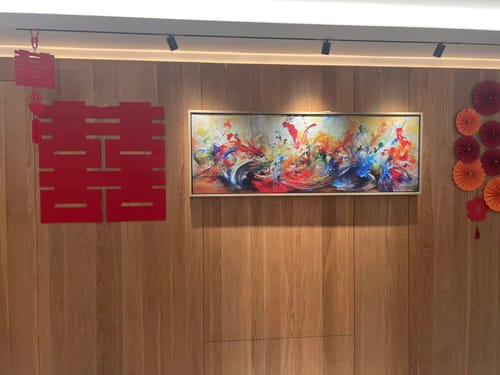
Decorative wall art can transform any living space from mundane to magnificent. By carefully selecting pieces that resonate with personal style and the overall ambiance of a room, one can create an environment that exudes warmth, character, and sophistication. The right wall art not only enhances visual appeal but also reflects personality and taste. This article delves into various aspects of decorative wall art and how it can breathe new life into any room.
The Importance of Wall Art
Wall art serves as a focal point in design, drawing attention and creating a sense of balance in a room. It can set the mood and tone, influence color schemes, and even inspire a room’s entire aesthetic. When chosen thoughtfully, wall art adds layers of depth and interest, turning a simple space into a curated gallery.
Types of Decorative Wall Art
Paintings and Prints
- Original Artwork: Investing in original art pieces can add a unique and authentic touch to your home. Originals often carry a depth and texture that prints cannot replicate. Discover expert strategies here.
- Prints and Reproductions: For those who appreciate art but are constrained by budget, high-quality prints and reproductions offer a viable alternative. These can be framed and arranged in a gallery wall to great effect.
Wall Sculptures
- Metal Sculptures: These add a modern and industrial flair to a living space. Available in various designs, they can be abstract or representational, offering versatility in decor.
- Wooden Sculptures: Often bringing warmth and an organic feel, wooden sculptures can complement both rustic and contemporary spaces. Learn about our tailored solutions.
Textile Art
- Tapestries: These add color, texture, and a touch of coziness to any room. Tapestries can also absorb sound, providing both aesthetic and functional benefits.
- Macram?: Trending in modern bohemian decor, macram? wall hangings bring a handcrafted elegance to walls. Explore advanced guides and tips.
Choosing the Right Wall Art
Selecting the perfect piece involves considering the room’s color palette, existing furniture, and the emotional vibe one desires to create. Here are some tips:
- Size Matters: The dimensions of artwork should match the scale of the room and the wall space available. Oversized pieces can make a statement, while smaller ones can be grouped.
- Color Coordination: Artwork should complement or contrast the room’s color scheme. Neutral tones can be enhanced with vibrant art, while bold wall colors may benefit from more subdued pieces. Find out more about this approach.
- Style Harmony: Ensure that the art style aligns with the room’s decor theme, whether it be modern, traditional, eclectic, or minimalist.
Placement and Display
The placement of wall art is crucial to its impact. Here are some guidelines to ensure optimal display:
- Eye Level Display: Generally, art should be hung at eye level to create a comfortable viewing experience. This typically means the center of the artwork is about 57-60 inches from the floor.
- Grouping Artworks: When displaying multiple pieces, consider a gallery wall. This arrangement maximizes space and creates visual interest through a curated collection. Discover expert strategies here.
- Consider Lighting: Proper lighting can accentuate art, highlighting colors and details. Use spotlights or picture lights to ensure art is showcased effectively.
Decorative wall art is more than just an accessory; it is a vital component of home decor that speaks volumes about the inhabitants’ preferences and style. By thoughtfully selecting and placing art, one can transform any space into a personal sanctuary that delights the senses and welcomes guests with open arms.