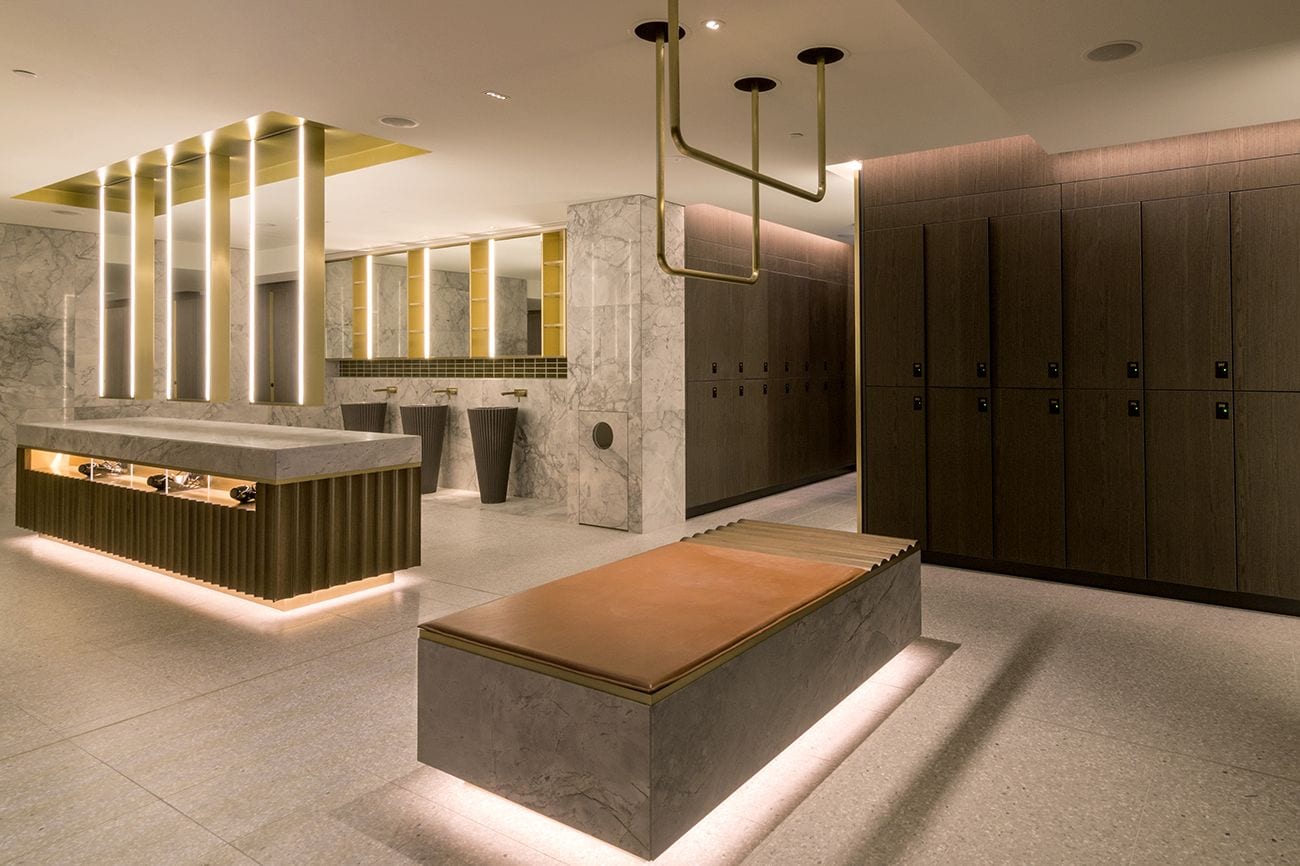
In the ever-evolving field of interior design, selecting the right materials is crucial to achieving a balance of aesthetics, functionality, and durability. High Pressure Laminate (HPL) has emerged as a popular choice among designers and architects due to its versatility and robustness. This guide delves into the merits of using HPL in interior projects, offering insights into its application, advantages, and best practices.
Understanding High Pressure Laminate
High Pressure Laminate is a composite material made from layers of kraft paper impregnated with resin, topped with a decorative surface. The layers are fused together under high heat and pressure, resulting in a highly durable and visually appealing material. HPL is known for its resistance to heat, impact, and moisture, making it an ideal choice for various interior applications.
Benefits of Using HPL in Interior Design
- Durability: HPL is highly resistant to scratches, impact, and heat, ensuring longevity in high-traffic areas.
- Versatility: Available in a wide range of colors, textures, and patterns, HPL can mimic natural materials like wood and stone.
- Easy Maintenance: Its non-porous surface makes it easy to clean and maintain, perfect for kitchens and bathrooms.
- Cost-Effective: Offers the aesthetic appeal of expensive materials at a more affordable price point.
Applications of High Pressure Laminate
HPL’s adaptability allows it to be used in a multitude of interior settings. Here are some common applications:
Residential Spaces
In homes, HPL is often used for kitchen countertops, cabinetry, and furniture. Its ability to replicate the look of natural materials without the associated upkeep makes it a popular choice. Discover expert strategies here for integrating HPL into residential interiors.
Commercial Environments
For commercial spaces such as offices, retail outlets, and public buildings, HPL provides a durable and aesthetically pleasing surface. Its resistance to wear and tear makes it ideal for high-traffic areas. Learn about our tailored solutions for commercial applications.
Healthcare and Educational Facilities
In environments where hygiene is paramount, such as hospitals and schools, HPL’s non-porous and easy-to-clean surface is invaluable. It supports strict sanitation standards while maintaining a welcoming appearance. Explore advanced guides and tips on using HPL in these sensitive settings.
Best Practices for Implementing HPL
To maximize the benefits of High Pressure Laminate, consider the following best practices:
- Choose the Right Finish: Select a finish that suits the intended use and aesthetic requirements. Matte finishes are great for a subtle look, while glossy finishes can add elegance.
- Proper Installation: Installation should be carried out by professionals to ensure precision and longevity. Find out more about this approach to installation.
- Regular Maintenance: Although HPL is low maintenance, regular cleaning with mild detergents will help maintain its appearance and durability.
- Environmental Considerations: Opt for HPL products that are environmentally certified, ensuring sustainability and reduced impact on the environment.
Conclusion
High Pressure Laminate presents an ideal solution for a wide range of interior design projects. Its combination of durability, versatility, and aesthetic appeal makes it a smart choice for both residential and commercial applications. By understanding its benefits and applications, and adhering to best practices, designers can effectively utilize HPL to enhance their interior spaces. For further insights and resources, explore advanced guides and tips on incorporating HPL into design projects.