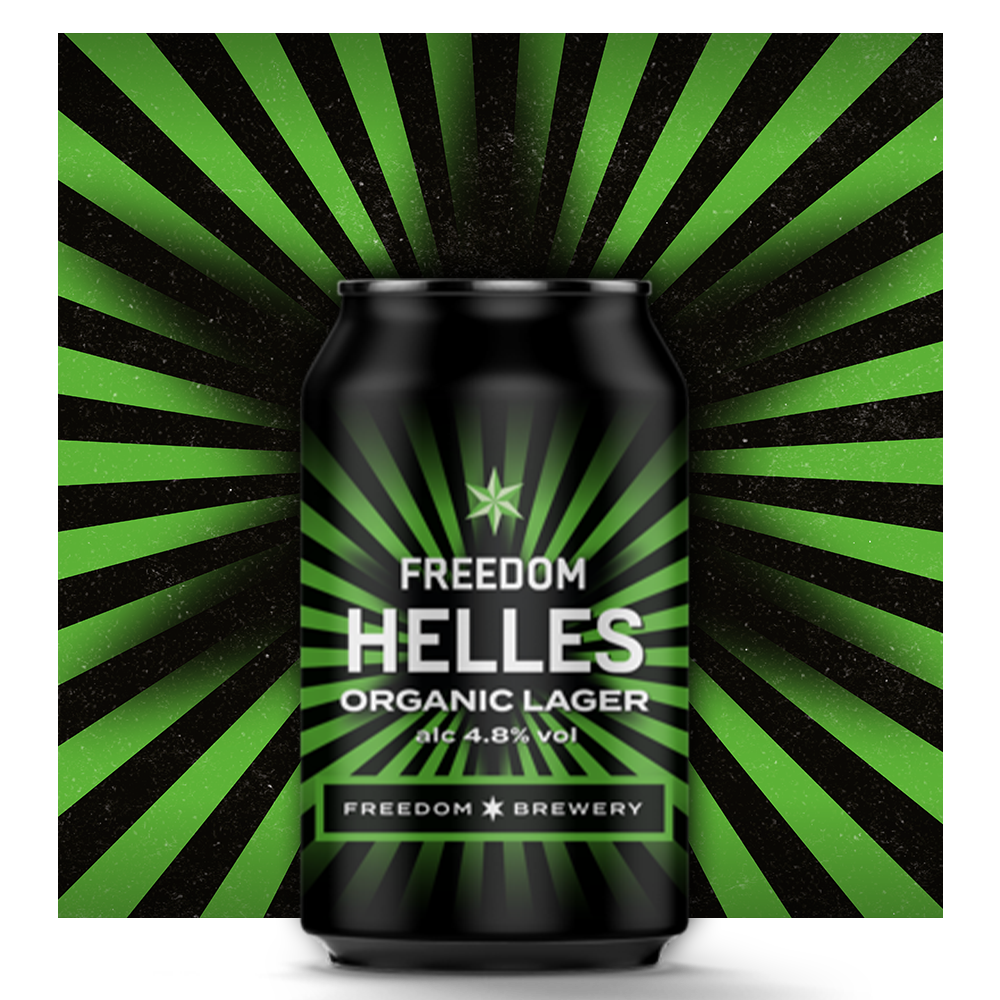
Discover the History and Flavor Profile of Helles Lager
The world of beer is a tapestry of diverse flavors, rich traditions, and historical significance. Among the many varieties that have captured the hearts of beer enthusiasts worldwide, Helles Lager stands out for its unique blend of subtlety and depth. With origins stretching back to the heart of Bavaria, this lager has not only survived the test of time but has flourished as a beloved staple in the beer community.
Origin and Historical Context
The Birth of Helles Lager
The story of helles lager begins in Munich, Germany, during the late 19th century. It was introduced by Bavarian brewers as a response to the burgeoning popularity of Czech Pilsners. With an aim to create a beer that retained the refreshing qualities of a Pilsner but with less bitterness, Helles Lager was born.
Evolution Through the Ages
Over the decades, Helles Lager has evolved, maintaining its traditional roots while adapting to modern brewing techniques. Despite changes in the brewing process, the core characteristics of this lager have remained consistent, ensuring its place in the pantheon of classic beer styles.
Understanding the Flavor Profile
What to Expect in Every Sip
Helles Lager is celebrated for its balanced and approachable flavor profile. Here’s what you can expect when you take a sip:
- Soft maltiness with a touch of sweetness.
- Crisp and clean finish.
- Subtle hop bitterness that complements the malt.
- Golden color with a light to medium body.
- Refreshing carbonation that enhances drinkability.
Pairing Suggestions
One of the joys of Helles Lager is its versatility in pairing with food. Consider these options for an enhanced culinary experience:
- Grilled sausages and bratwurst for a traditional Bavarian meal.
- Light seafood dishes like grilled shrimp or scallops.
- Fresh salads with citrus vinaigrettes.
- Soft cheeses like Brie or Camembert.
The Craft of Brewing Helles Lager
Key Ingredients and Brewing Process
The art of brewing Helles Lager lies in the simplicity and quality of its ingredients. The careful selection of malt, hops, yeast, and water is crucial to achieving its distinctive taste:
- Malt: Pilsner malt is typically used, providing the lager’s characteristic sweetness and body.
- Hops: Noble hops like Hallertauer or Tettnanger offer gentle bitterness and floral notes.
- Yeast: Lager yeast strains ferment at lower temperatures, resulting in a clean flavor.
- Water: Soft water is ideal, as it enhances the malt character without overwhelming hop bitterness.
Modern Takes and Variations
While the traditional Helles Lager has remained largely unchanged, modern brewers are experimenting with slight variations to offer new experiences. These include dry-hopped versions that introduce more prominent herbal notes, or small batch brews that explore diverse malt profiles.
Conclusion
Whether you’re a seasoned beer aficionado or a curious newcomer, Helles Lager offers a delightful experience that blends history with flavor. Its enduring appeal lies in its ability to be both familiar and intriguing, offering a perfect balance of malt and hops. To explore this classic further, consider sampling some expertly crafted varieties available here.