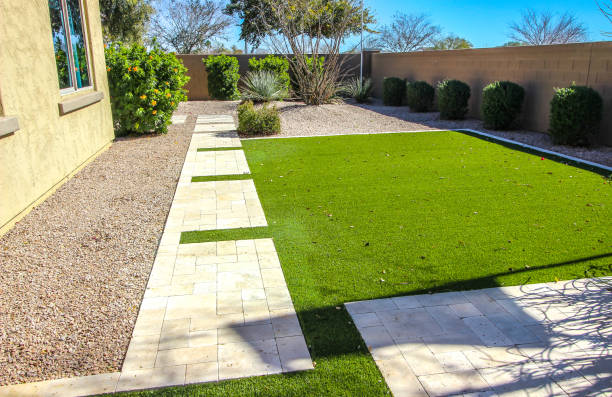
Artificial grass installation is an increasingly popular choice for homeowners and businesses seeking a low-maintenance, aesthetically pleasing lawn solution. This modern landscaping option offers durability, cost-effectiveness, and environmental friendliness. However, the installation process requires careful planning and execution to ensure a perfect finish. Below are some essential tips and techniques to guide you through an easy and successful artificial grass installation.
Preparing the Area
Preparation is key to a successful installation. Begin by measuring the area where the artificial grass will be installed. Accurate measurements help in purchasing the right amount of material, preventing wastage and excess costs. Once measured, the area should be cleared of any existing vegetation, debris, or rocks.
- Remove all natural grass and roots to prevent regrowth.
- Ensure the ground is level and smooth to avoid uneven surfaces.
- Consider a slight slope for drainage, which is critical to prevent waterlogging.
- Compact the soil using a roller or plate compactor for a firm base.
For more detailed preparation strategies, discover expert strategies here.
Installing the Base Layer
The base layer is fundamental to the durability and appearance of your artificial grass. Typically, a crushed stone base is recommended.
- Spread a layer of crushed stone or gravel evenly across the area.
- Compact the base layer thoroughly to create a stable foundation.
- Ensure the base is level, with a slight gradient for water runoff.
This base layer supports the artificial turf and aids in drainage, preventing pooling water. Find out more about this approach.
Unrolling and Positioning the Artificial Grass
Once the base is prepared, carefully unroll the artificial grass over the area. It’s crucial to allow the grass to acclimate to the temperature and relax before final positioning.
- Unroll the grass in the direction you want the blades to face for a consistent look.
- Trim any excess material with a utility knife, ensuring a snug fit against edges and borders.
- Use a seam tape or adhesive to join pieces of turf seamlessly.
Proper alignment and seamless joints will enhance the natural look of your artificial grass. Explore advanced guides and tips.
Securing the Grass
Once positioned, the grass needs to be secured to prevent shifting and movement. This step is crucial for maintaining the integrity and longevity of the installation.
- Secure the turf edges using landscape spikes or staples every 6-12 inches.
- Brush the blades to lift them upright and distribute infill evenly.
- Apply sand or rubber infill to weigh down the turf and provide cushioning.
Infill not only adds weight but also enhances comfort and stability. For more insights on securing techniques, learn about our tailored solutions.
Final Touches and Maintenance
After securing the turf, a few final touches ensure the installation is complete and ready for use.
- Inspect the entire area for any loose edges or visible seams.
- Brush the grass regularly to maintain the natural look.
- Rinse the surface periodically to remove dust and debris.
With proper maintenance, your artificial lawn will remain vibrant and functional for many years. Explore advanced guides and tips for ongoing care and maintenance strategies.
By adhering to these expert tips and techniques, creating an attractive, low-maintenance outdoor space with artificial grass becomes an achievable project. The right preparation, installation, and maintenance practices ensure a lush and durable lawn that enhances the beauty of any property.