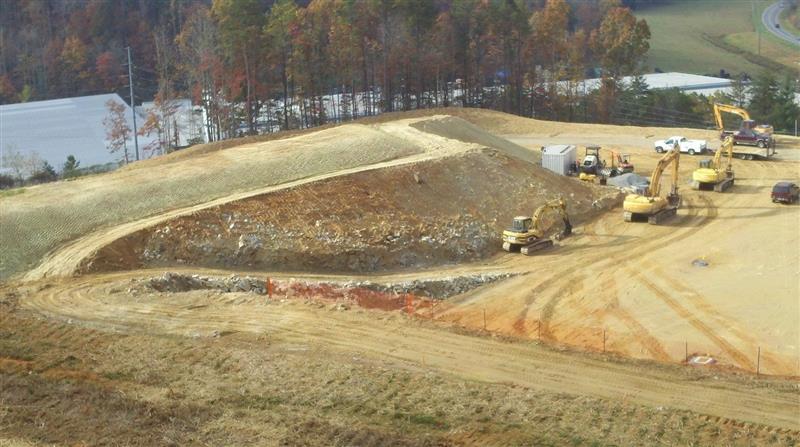
Effective drainage solutions are paramount in excavation projects to ensure stability, prevent erosion, and maintain the structural integrity of the site. Proper drainage not only protects the excavation site but also safeguards the surrounding environment. Ineffective drainage can lead to severe consequences, including flooding, soil erosion, and structural failure. Therefore, understanding and implementing efficient drainage solutions is essential for the success of any excavation project.
Importance of Drainage in Excavation Projects
Drainage is a critical component of excavation projects for several reasons:
- Prevention of Water Accumulation: Proper drainage systems prevent water from accumulating at the excavation site, which can compromise the stability and safety of the project.
- Soil Stability: Efficient drainage systems help maintain soil stability by preventing erosion and soil displacement.
- Protection of Structures: Drainage prevents water from affecting the foundations and other structural elements of the project.
Read more about this topic by visiting the official guide on drainage solutions.
Types of Drainage Solutions
Surface Drainage
Surface drainage involves the removal of excess water from the surface of the excavation site. This is typically achieved through the use of shallow ditches, swales, or graded slopes that direct water away from the area.
- Grading: The land is graded to create a slope, directing water flow away from critical areas.
- Swales: Shallow channels are designed to collect and redirect surface water.
Find additional information here on how surface drainage systems can be implemented effectively.
Subsurface Drainage
Subsurface drainage systems are designed to remove water that has infiltrated the soil. These systems typically involve the installation of pipes or drains beneath the surface to collect and transport water away from the excavation site.
- French Drains: These consist of perforated pipes buried in gravel-filled trenches, allowing water to flow freely away from the site.
- Underdrains: Installed beneath the surface to intercept and convey groundwater, maintaining soil stability.
Explore further insights here on subsurface drainage techniques.
Factors to Consider When Designing Drainage Solutions
When designing drainage systems for excavation projects, several factors must be considered to ensure effectiveness and efficiency:
- Site Topography: Understanding the natural slope and contours of the land is essential for designing appropriate drainage systems.
- Soil Type: Different soil types have varying permeability, which affects how water is absorbed and drained.
- Climate: The local climate, including rainfall patterns, should be considered to design systems that can handle expected water volumes.
- Environmental Impact: Drainage solutions should minimize environmental disruption and comply with relevant regulations.
For a detailed guide on designing tailored drainage solutions, learn more here.
Conclusion
Implementing effective drainage solutions is a crucial aspect of any excavation project that cannot be overlooked. By understanding the importance of drainage, exploring various solutions, and considering key design factors, construction professionals can ensure the stability and longevity of their projects. Proper drainage not only protects the site but also contributes to environmental conservation and regulatory compliance. To ensure the implementation of effective drainage solutions, always seek expert advice and utilize resources such as the comprehensive insights available here.