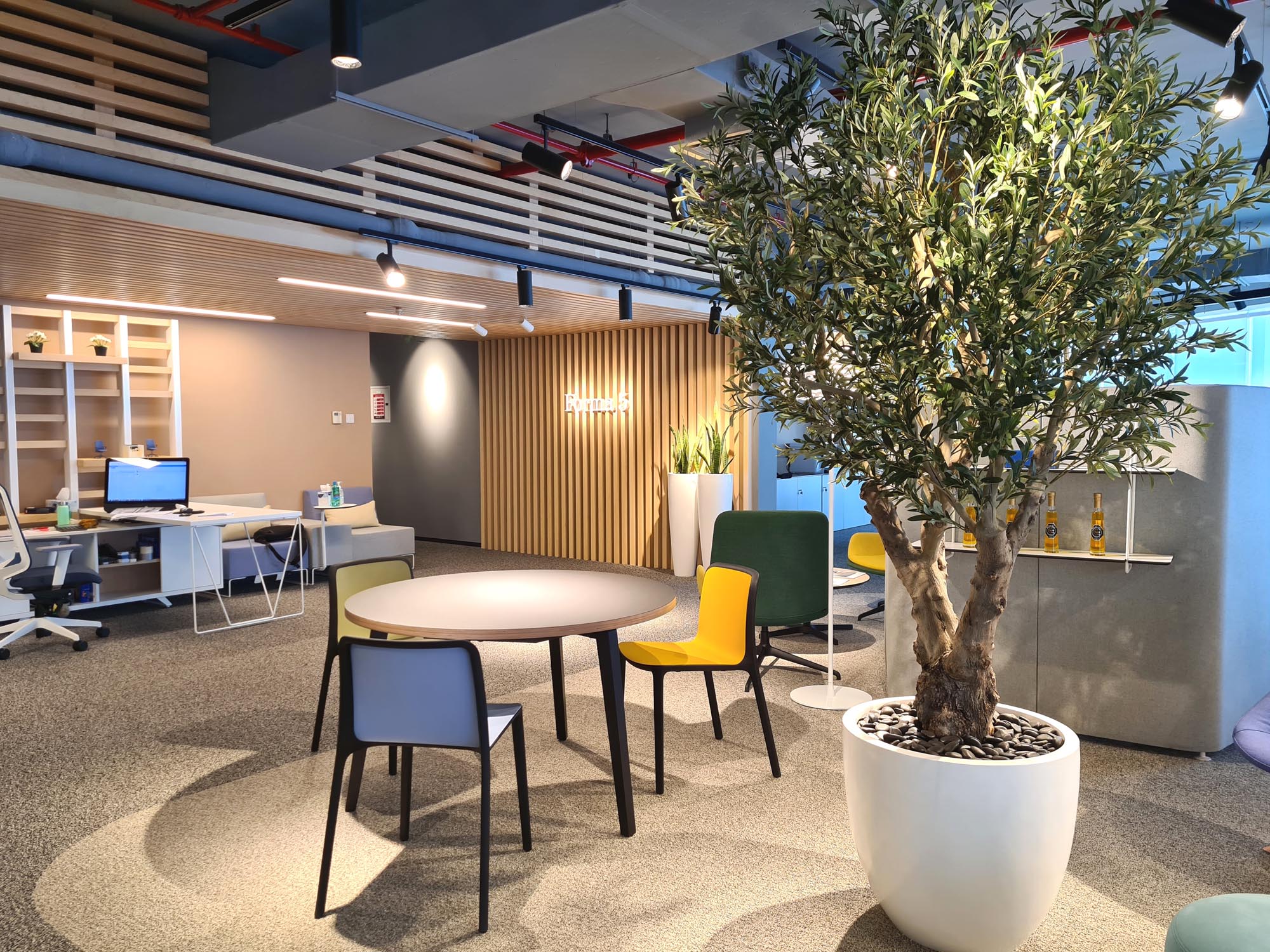
The concept of indoor landscape design is transforming the way interior spaces are perceived, blending aesthetics with functionality to create environments that are not only visually pleasing but also promote well-being. The practice involves incorporating natural elements, such as plants and water features, into indoor spaces to enhance their appeal and create a tranquil atmosphere. By embracing this design philosophy, spaces can be elevated to new heights, offering a refreshing change from traditional interiors.
The Benefits of Indoor Landscape Design
Indoor landscape design offers numerous benefits that extend beyond mere aesthetics. Here are some of the key advantages:
- Improved Air Quality: Plants act as natural air purifiers, filtering toxins and releasing oxygen.
- Enhanced Mood and Productivity: Natural elements have been shown to reduce stress and boost concentration.
- Noise Reduction: Certain plants and water features can absorb sound, creating quieter environments.
- Increased Property Value: Well-designed interiors with natural elements can enhance the appeal and value of a property.
Key Elements of Indoor Landscape Design
Successful indoor landscape design incorporates several elements, each playing a crucial role in creating harmonious spaces.
Plants
Plants are the cornerstone of any indoor landscape. They come in various shapes, sizes, and colors, allowing for creative expression and diversity in design. When selecting plants, consider:
- Light Requirements: Choose plants that thrive in the available light conditions.
- Maintenance: Opt for low-maintenance plants if regular care isn’t feasible.
- Space: Select plants that fit the scale and proportion of the space.
Water Features
Water features can add a soothing element to indoor spaces. The sound of flowing water has a calming effect and can enhance the ambiance of any room. Consider incorporating:
- Fountains: Available in a range of styles and sizes, fountains can serve as focal points.
- Fish Tanks: Adding a vibrant touch, fish tanks can introduce movement and color.
Natural Materials
Incorporating natural materials such as stone, wood, and bamboo can complement the overall design and reinforce a connection to nature. These materials can be used in furniture, flooring, and decorative elements.
Design Considerations
When planning an indoor landscape design, several considerations can guide the process to ensure a successful outcome.
- Purpose of the Space: Understand the primary function of the area to tailor the design accordingly.
- Climate Control: Ensure that the indoor environment supports the health of the plants and features.
- Integration with Existing Decor: The design should complement and enhance the existing interior style.
Conclusion
Embracing indoor landscape design is a step towards creating more inviting, healthy, and inspiring spaces. By integrating natural elements, interiors can be transformed into sanctuaries that offer an escape from the hustle and bustle of everyday life. Whether it”?s enhancing air quality, boosting mood, or simply adding beauty, the benefits of indoor landscapes make them a worthwhile investment for any space.