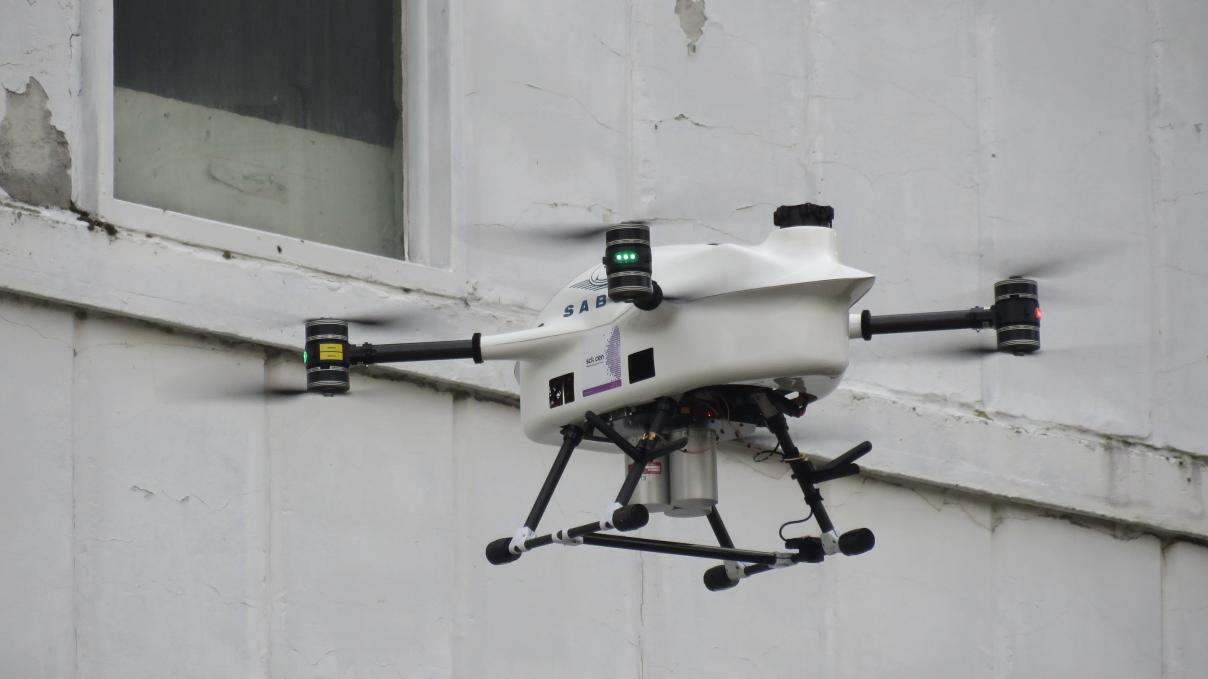
In recent years, drones have transcended their original purposes, evolving into highly versatile tools used across various industries. One of the most promising applications is in the realm of environmental monitoring, particularly in detecting radiation levels. With the increasing need for accurate and swift radiation assessment, drones equipped with radiation detection systems have become indispensable. This article explores how these advanced systems are enhancing safety and efficiency in environmental monitoring.
The Role of Drones in Environmental Monitoring
Drones offer several advantages over traditional methods of environmental monitoring, particularly when it comes to accessing hard-to-reach areas and providing real-time data.
Key Advantages of Drone Usage
- Ability to access remote and dangerous locations without risking human lives.
- Equipped with advanced sensors that provide precise data collection.
- Capability to cover large areas in a short amount of time, enhancing efficiency.
- Cost-effective compared to manned aircraft and ground-based monitoring systems.
Radiation Detection Systems for Drones
The integration of radiation detection systems into drones represents a significant leap forward in technology. These systems are designed to identify and measure radiation levels in the environment, providing critical data for safety assessments and environmental studies.
For more detailed information on the technology and its applications, discover expert strategies here.
How It Works
Drone radiation detection systems typically consist of a combination of sensors and software that can identify various types of radiation. These systems are capable of:
- Detecting gamma rays, beta particles, and other radioactive elements.
- Providing real-time data transmission to ground control stations.
- Integrating with Geographic Information Systems (GIS) for precise mapping and analysis.
Applications and Benefits
The deployment of drones equipped with radiation detection systems has numerous applications across different sectors.
Environmental and Public Health
- Monitoring radiation levels post-nuclear incidents to ensure public safety.
- Assessing contamination in areas surrounding nuclear power plants.
- Conducting environmental impact studies for proposed construction projects near radioactive sites.
To explore advanced guides and tips on implementing these systems, explore advanced guides and tips.
Industrial and Defense Applications
- Facilitating routine safety checks in nuclear facilities.
- Supporting military operations by detecting radiation threats in conflict zones.
Such applications not only enhance safety but also improve the accuracy and efficiency of monitoring processes. For those interested in the specifics of these approaches, find out more about this approach.
Conclusion
The use of drones equipped with radiation detection systems is a testament to the innovative solutions being developed to tackle environmental challenges. These systems provide a unique blend of safety, efficiency, and cost-effectiveness, making them a vital tool in the arsenal of modern environmental monitoring technologies. Learn about our tailored solutions to stay informed about the latest advancements in this field.