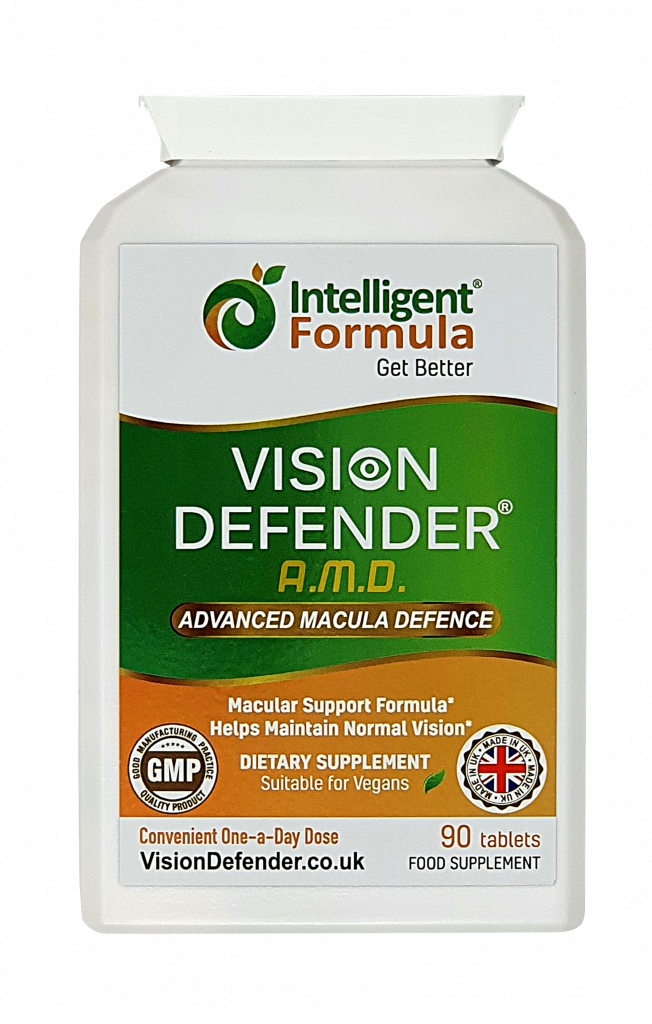
In today’s fast-paced world, maintaining optimal eye health has become increasingly important. Our eyes are constantly exposed to digital screens, pollution, and other environmental stressors, making it essential to provide them with the necessary nutrients for protection and care. Vitamins play a crucial role in supporting eye health and can help in preventing various vision-related issues. Understanding which vitamins are essential and how they contribute to eye health can aid in making informed dietary choices.
Key Vitamins for Eye Health
Several vitamins have been identified as critical for maintaining eye health. These vitamins not only support the eyes’ structural integrity but also enhance visual function and protect against age-related degeneration.
- Vitamin A: Vital for maintaining a clear cornea, vitamin A is essential for good vision. It is also a component of rhodopsin, a protein in your eyes that allows you to see in low light conditions. Read more about this topic.
- Vitamin C: An antioxidant that helps protect the eyes against oxidative damage. Vitamin C supports the health of blood vessels in the eyes and may reduce the risk of cataracts. Learn more in this detailed guide.
- Vitamin E: This powerful antioxidant helps protect eye cells from damage by free radicals. It is believed to play a role in reducing the risk of age-related macular degeneration (AMD). Explore further insights here.
- Vitamin D: Emerging research suggests that vitamin D may play a role in eye health, potentially reducing the risk of AMD and supporting overall eye function. Find additional information here.
Additional Nutrients Beneficial for Eyes
In addition to vitamins, other nutrients are essential for maintaining optimal eye health. These include:
- Zinc: Essential for transporting vitamin A from the liver to the retina to produce melanin, a protective pigment in the eyes.
- Lutein and Zeaxanthin: These carotenoids are found in high concentrations in the retina and are known to filter harmful high-energy blue wavelengths of light and help protect and maintain healthy cells in the eyes.
- Omega-3 Fatty Acids: Known for their anti-inflammatory properties, omega-3 fatty acids support the structure and function of the cell membranes in the eyes and may help alleviate dry eye symptoms.
Dietary Sources of Essential Vitamins and Nutrients
To ensure adequate intake of these vitamins and nutrients, it’s important to include a variety of foods in your diet:
- Leafy green vegetables such as spinach and kale are rich in lutein and zeaxanthin.
- Carrots and sweet potatoes are excellent sources of vitamin A.
- Citrus fruits and berries provide plenty of vitamin C.
- Nuts and seeds, particularly almonds, are good sources of vitamin E.
- Fatty fish, such as salmon and tuna, are high in omega-3 fatty acids.
- Fortified foods and supplements can also be helpful in ensuring sufficient nutrient intake, especially for vitamin D and zinc.
The Importance of Regular Eye Check-Ups
While dietary intake of vitamins and nutrients is crucial, regular eye check-ups play an equally important role in maintaining eye health. Regular visits to an eye care professional can help detect vision problems early and ensure timely intervention. This holistic approach, combining nutrition with professional care, can effectively support lifelong eye health.
For more comprehensive information on maintaining eye health through vitamins and nutrients, consider visiting resources dedicated to eye care and nutritional guidance. Learn more in this detailed guide.