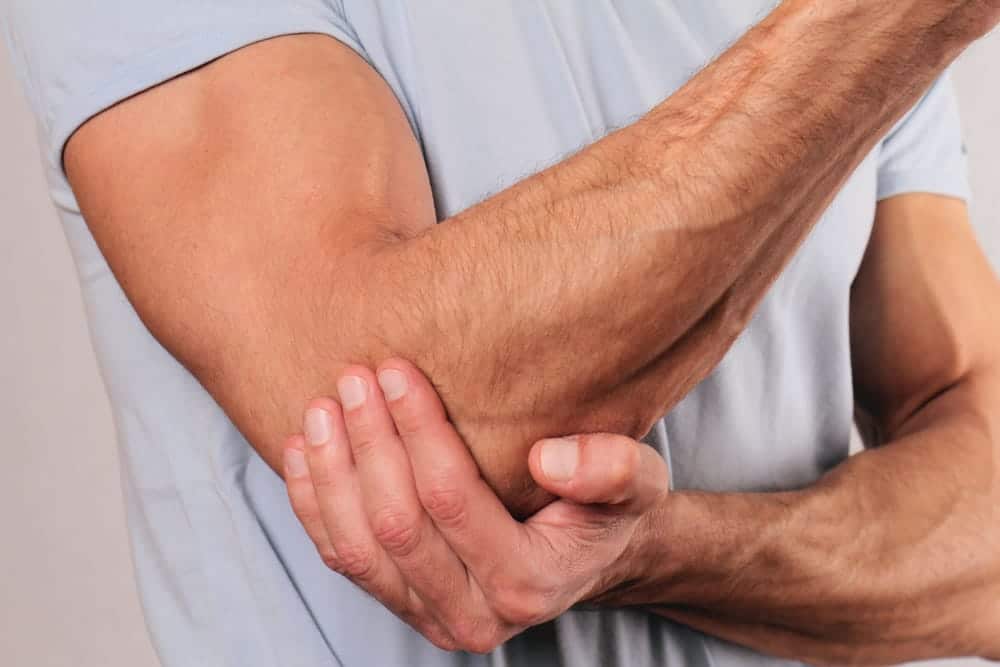
Elbow pain is a common issue affecting individuals of all ages and activity levels. Whether stemming from overuse, injury, or underlying medical conditions, managing elbow pain effectively is crucial for maintaining an active lifestyle. In Newport Beach, a city known for its vibrant outdoor activities, understanding the causes, symptoms, and treatments of elbow pain is essential for residents. This article provides expert advice on identifying the root causes of elbow pain and offers practical tips for managing and alleviating discomfort.
Understanding the Causes of Elbow Pain
Elbow pain can arise from various sources, each requiring a different approach to treatment. Understanding these causes is the first step in managing the pain effectively.
Common Causes
- Tendinitis: Inflammation of the tendons, often due to repetitive motion, is a leading cause of elbow pain. Common forms include tennis elbow and golfer’s elbow.
- Arthritis: Both osteoarthritis and rheumatoid arthritis can impact the elbow joint, leading to chronic pain and stiffness.
- Fractures: Falls or direct impacts can fracture the bones in the elbow, necessitating medical intervention.
- Nerve Compression: Conditions like cubital tunnel syndrome occur when nerves are compressed, resulting in pain and tingling.
Symptoms to Watch For
Recognizing symptoms early can lead to more effective management of elbow pain. Here are signs that require attention:
- Pain and Tenderness: Persistent pain or tenderness around the elbow joint.
- Swelling: Visible swelling around the elbow area.
- Limited Range of Motion: Difficulty in extending or flexing the elbow fully.
- Numbness or Tingling: Sensations that may indicate nerve involvement.
Expert Management and Treatment Options
Addressing elbow pain often requires a multifaceted approach. Here are some expert-recommended strategies:
Rest and Activity Modification
Ensuring adequate rest for the affected elbow is crucial, especially if the pain stems from overuse. Modifying activities to reduce strain can prevent further injury.
Physical Therapy
Physical therapy plays a pivotal role in rehabilitation. Tailored exercises can strengthen the muscles around the elbow, improve flexibility, and reduce pain. A skilled therapist can guide individuals through exercises that are safe and effective.
Medication and Pain Relief
Non-steroidal anti-inflammatory drugs (NSAIDs) can help alleviate pain and inflammation. In some cases, doctors may recommend corticosteroid injections for more immediate relief.
Alternative Therapies
Alternative treatments, such as acupuncture and chiropractic care, can complement traditional therapies. These methods focus on holistic healing and can be beneficial in reducing pain and improving overall function.
When to Seek Professional Help
While many cases of elbow pain can be managed with home treatments, certain situations warrant professional evaluation. Consider consulting a healthcare provider if:
- Pain persists despite rest and initial treatments.
- Pain is accompanied by fever or other systemic symptoms.
- You experience sudden and severe pain following an injury.
- There are signs of nerve damage, such as persistent numbness or weakness.
For those in Newport Beach experiencing persistent issues, seeking local expert consultation is advisable. More information on elbow pain in Newport Beach can be found through specialized healthcare providers.
Conclusion
Elbow pain, while common, can significantly impact daily activities and quality of life. By understanding the causes and symptoms, individuals can take proactive steps to manage their condition effectively. Implementing expert-recommended treatments and knowing when to seek professional help are essential components of maintaining joint health and ensuring a pain-free lifestyle. Whether through rest, therapy, or professional intervention, addressing elbow pain promptly is key to preventing long-term issues and maintaining an active lifestyle in Newport Beach.