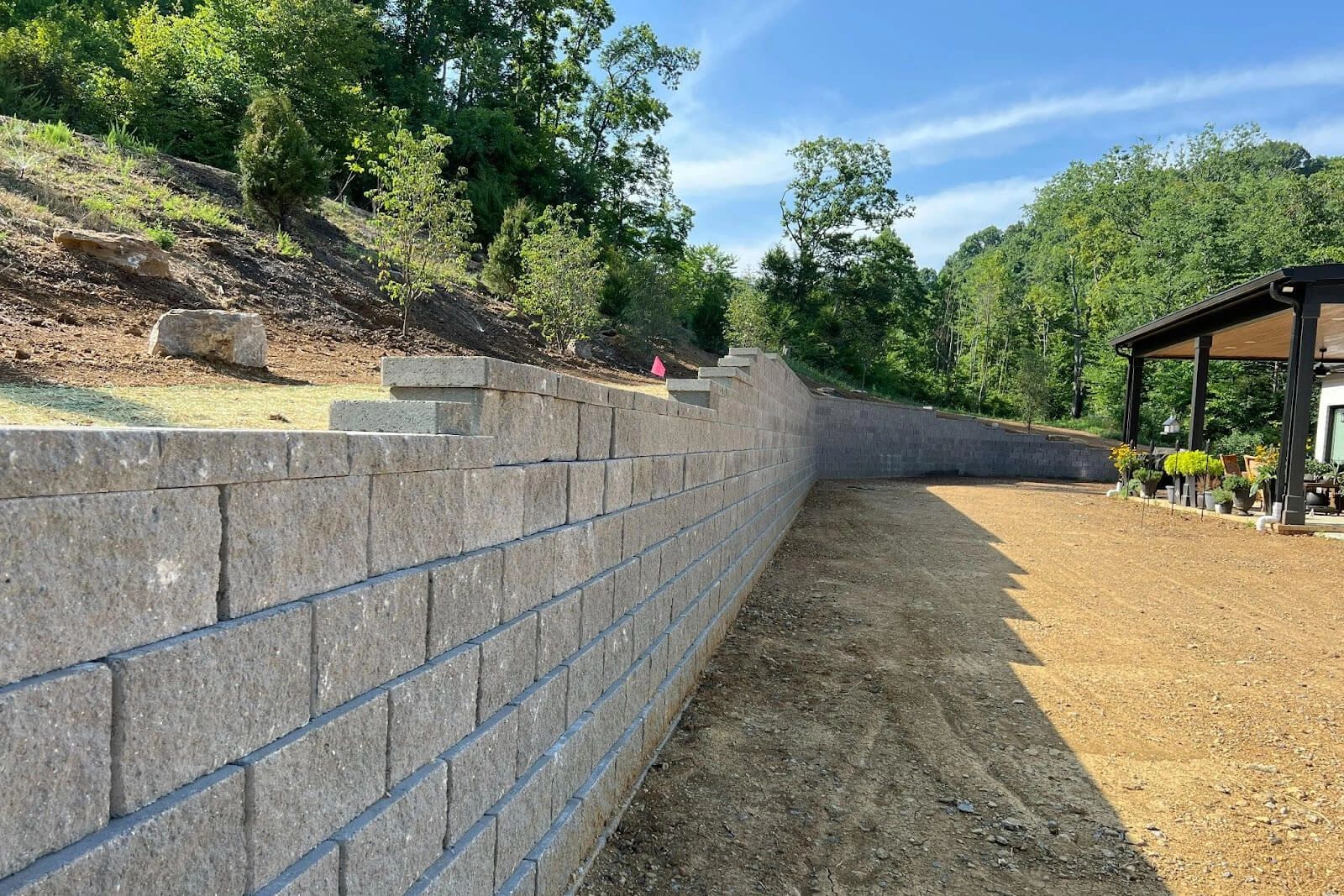
Building a retaining wall can be an effective solution for managing slopes and creating usable outdoor spaces. While professional services are readily available, many homeowners opt for the DIY route to save on costs and customize the design to their liking. However, installing a retaining wall requires careful planning and execution to ensure its stability and longevity. Here are expert tips to guide you through a successful DIY retaining wall installation.
Understanding the Basics of Retaining Walls
Before diving into the construction process, it is crucial to understand the fundamental principles of retaining walls. These structures are designed to hold back soil and prevent erosion, and they must be built to withstand pressure from the earth behind them.
- Identify the purpose and function of your retaining wall.
- Consider the type of soil and drainage requirements in your area.
- Determine the appropriate materials for your project, such as concrete blocks, natural stone, or timber.
Planning and Designing Your Wall
A successful retaining wall installation begins with meticulous planning and design. This stage involves assessing the site, measuring dimensions, and ensuring compliance with local building regulations.
Site Assessment
- Evaluate the slope and soil conditions where the wall will be installed.
- Identify any potential obstacles, such as tree roots or utility lines.
- Check local zoning laws and permit requirements.
Design Considerations
- Plan the wall’s height, length, and curvature to suit your landscape needs.
- Incorporate proper drainage solutions, such as perforated pipes or gravel backfill, to prevent water buildup.
- Choose a design that complements the aesthetic of your outdoor space.
Construction Tips
With a detailed plan in place, the next step is to begin the construction of your retaining wall. It is essential to follow best practices to ensure the wall’s structural integrity and safety.
Foundation and Base Preparation
- Excavate a trench that is deep and wide enough to accommodate the base material and the first course of blocks or stones.
- Lay a solid base of compacted gravel to provide stability and prevent shifting.
- Ensure the base is level and properly aligned.
Building the Wall
- Start laying the first course of blocks or stones, ensuring each unit is level and tightly fitted.
- Stagger the joints between courses to increase stability.
- Backfill with gravel or drainage material as you build each course to facilitate water drainage.
Finishing Touches and Maintenance
Once the wall is built, adding finishing touches and planning for ongoing maintenance will enhance its appearance and longevity.
- Cap the wall with stones or blocks for a polished look and additional stability.
- Inspect the wall regularly for signs of movement or wear, and make repairs as needed.
- Maintain proper drainage to avoid water pressure buildup, which can compromise the wall’s integrity.
By following these expert tips, homeowners can successfully undertake a DIY retaining wall project that is both functional and aesthetically pleasing. For those seeking further assistance or professional guidance, exploring reliable retaining wall installation services can be beneficial.