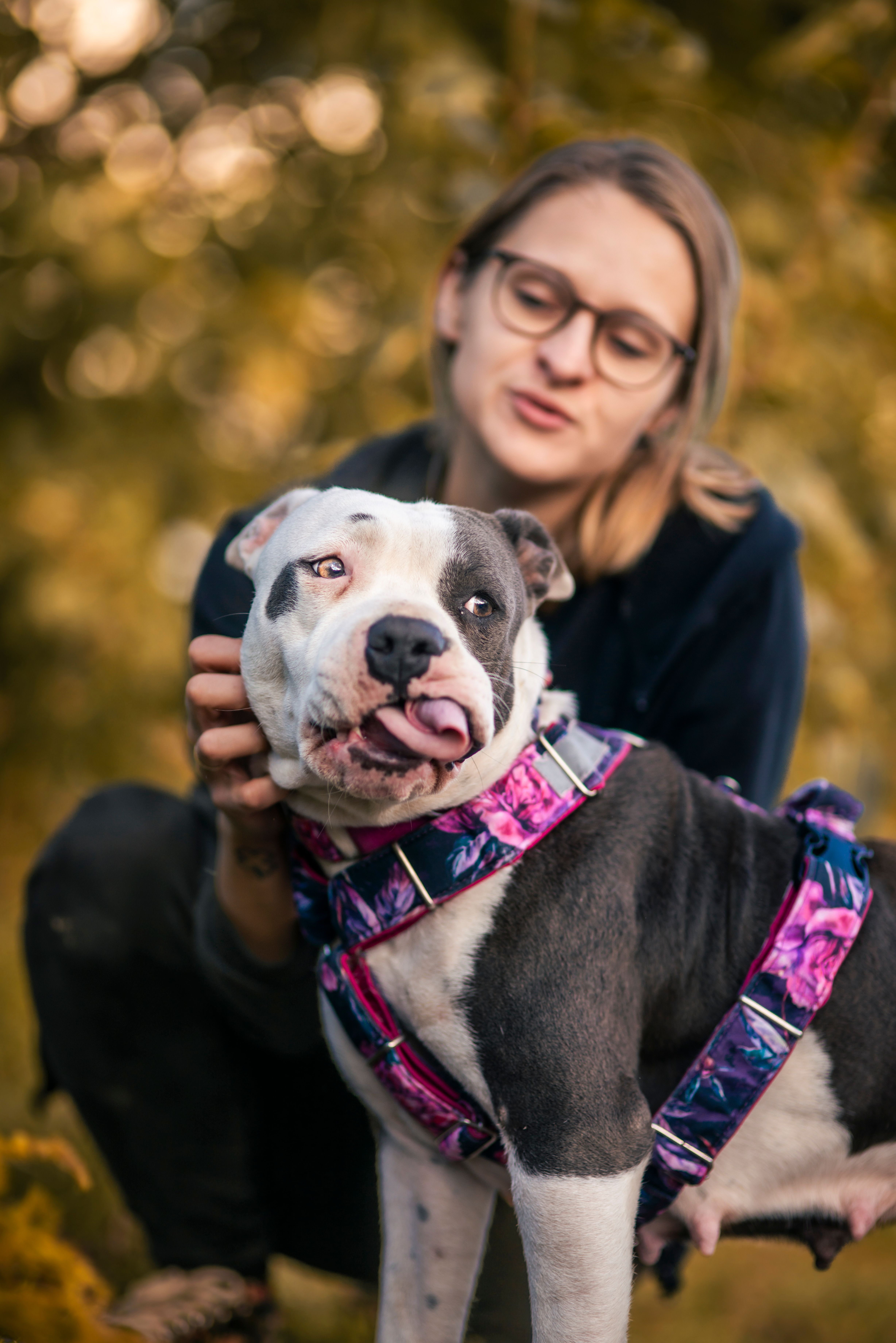
Puppy play, a consensual and imaginative form of role-play, blends elements of canine behavior with human interaction. While the activity can be light-hearted and fun, it also demands a thoughtful approach to safety, hygiene, and emotional well-being. Understanding the nuances of this practice helps participants enjoy a rewarding experience without compromising health or trust. By integrating established best practices and staying informed through reliable resources, enthusiasts can create an environment where creativity thrives alongside responsibility.
Understanding Puppy Play
At its core, puppy play involves adopting canine-inspired postures, sounds, and rituals. The dynamic can range from casual, occasional sessions to a deeper lifestyle commitment. Recognizing the spectrum of involvement is essential for setting realistic expectations.
- Role definition: Clarify whether the participant is a “puppy,” “handler,” or both.
- Boundaries: Establish clear limits on physical contact, duration, and intensity.
- Consent: Continuous, enthusiastic consent is the foundation of every interaction.
Key Elements of Safe Play
Safety is non-negotiable. Incorporating structured guidelines protects both physical and emotional health.
Physical Safety
- Use non-abrasive gear, soft collars, chew-safe toys, and breathable fabrics.
- Inspect play areas for hazards such as sharp edges, slippery surfaces, or choking risks.
- Maintain a clear line of communication for immediate pause signals.
Emotional Safety
- Conduct pre-play discussions to explore triggers, comfort zones, and aftercare needs.
- Employ safe words or gestures that can be used instantly if discomfort arises.
- Schedule debriefs after each session to process emotions and reinforce trust.
For a deeper dive into safety protocols, Discover expert strategies here.
Health and Hygiene Considerations
Because puppy play often mimics real canine activities, hygiene practices must mirror those used in pet care while respecting human health standards.
- Hand washing: Clean hands before and after handling any equipment.
- Equipment sanitization: Wash toys, harnesses, and bedding with mild, fragrance-free detergents.
- Skin checks: Inspect for abrasions or irritation after each session.
Additional guidance on maintaining a clean play environment can be found by Learn about our tailored solutions.
Building Trust and Communication
Trust is the cornerstone of any successful puppy play dynamic. Consistent, transparent communication cultivates a safe space where creativity can flourish.
- Establish regular check-ins to reassess limits and preferences.
- Utilize visual cues (e.g., a specific collar color) to signal comfort levels.
- Document experiences in a shared journal to track growth and address concerns.
For structured communication frameworks, Explore advanced guides and tips.
Resources and Continued Learning
Staying educated is an ongoing responsibility. A variety of reputable sources provide insight into evolving best practices, community standards, and innovative techniques.
- Workshops and webinars hosted by experienced facilitators.
- Peer-reviewed articles on consent, safety, and mental health within kink communities.
- Online forums where participants exchange real-world experiences and advice.
To access a curated collection of resources, Find out more about this approach.
Conclusion
Exploring puppy play care is a rewarding journey that blends imagination with meticulous attention to safety, health, and mutual respect. By grounding the experience in clear communication, rigorous hygiene, and continuous education, participants can enjoy the playful spirit of the activity while safeguarding well-being. Leveraging trusted guides and community expertise ensures that each session remains both enjoyable and responsible, fostering a vibrant, supportive environment for all involved.