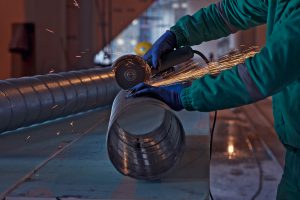
Galvanised steel fabrication stands as a cornerstone in modern construction and industrial applications, known for its unparalleled strength and resilience. The process involves coating steel with a protective layer of zinc to prevent rusting and corrosion, significantly enhancing the material’s durability. This method not only prolongs the life of the steel but also offers an economic solution for various applications ranging from small-scale residential projects to large industrial frameworks. As industries continue to evolve, the demand for reliable, long-lasting materials like galvanised steel is ever-increasing, making it a fundamental component in the toolkit of architects, engineers, and fabricators.
Understanding the Galvanisation Process
Galvanisation involves a meticulous process that guarantees the steel’s performance and longevity. The primary steps in this process include:
- Surface Preparation: This initial stage involves cleaning the steel to remove any dirt, oil, or scale. This is crucial to ensure the zinc coating adheres properly.
- Galvanising: The cleaned steel is then immersed in a bath of molten zinc. The zinc reacts with the steel to form a series of zinc-iron alloy layers, topped by a layer of pure zinc.
- Inspection: Finally, a thorough inspection ensures that the coating is consistent and meets the necessary quality standards.
For those seeking detailed insights into each stage of this process, explore advanced guides and tips on galvanised steel fabrication.
Benefits of Galvanised Steel Fabrication
Galvanised steel offers numerous advantages that make it a preferred choice in many industries:
- Corrosion Resistance: The zinc coating provides a robust barrier against environmental elements, significantly reducing the risk of corrosion.
- Longevity: Structures made from galvanised steel can last for decades without significant maintenance, thanks to their enhanced durability.
- Cost-Effectiveness: While the initial investment might be higher, the long-term savings on maintenance and replacement costs make it a cost-effective solution.
- Versatility: Galvanised steel can be used in a wide range of applications, from construction and automotive to agriculture and power generation.
To understand how these benefits can be tailored to specific projects, learn about our tailored solutions available for various industry needs.
Applications of Galvanised Steel
Construction Industry
In construction, galvanised steel is a preferred material due to its strength and durability. It is commonly used in:
- Structural frameworks
- Roofing and walling systems
- Bridges and other infrastructure projects
For architects and builders looking to incorporate galvanised steel into their designs, discover expert strategies here.
Automotive and Transportation
Its resistance to corrosion makes galvanised steel ideal for automotive body panels and undercarriage parts, ensuring vehicles withstand harsh weather conditions and road salts.
Agriculture and Energy
In agriculture, galvanised steel is used for fencing, silos, and greenhouses, providing longevity and reliability. In the energy sector, it is essential for wind and solar energy structures, offering sustainable and durable solutions.
To gain a deeper understanding of these applications, find out more about this approach and its benefits across various sectors.
Conclusion
Galvanised steel fabrication is an indispensable process in modern industry, offering a blend of strength, durability, and cost-effectiveness that is hard to match. As industries strive for sustainability and efficiency, the role of galvanised steel continues to expand, providing robust solutions that meet the demands of contemporary engineering and architectural projects. For more information on how galvanised steel can enhance your next project, explore advanced guides and tips tailored to your needs.