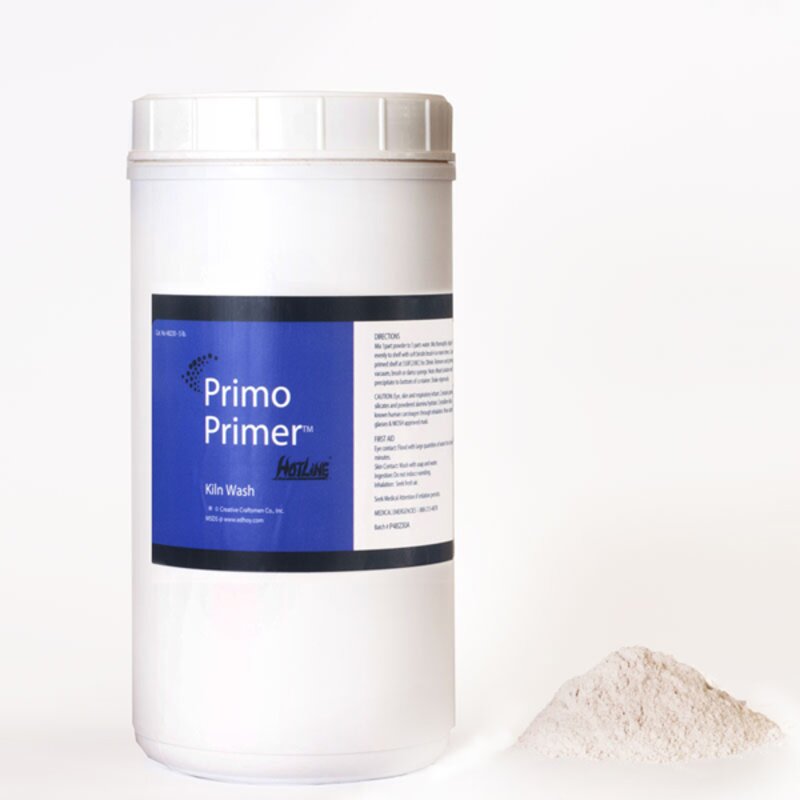
Glass fusing is a delicate art that requires careful preparation to ensure professional results. An essential part of this preparation is the application of kiln wash to protect the kiln shelf from melted glass. Kiln wash acts as a barrier between the glass and the shelf, preventing the glass from sticking and ensuring easy removal once the fusing process is completed. Understanding how to choose and apply the right type of kiln wash is vital for achieving the desired outcomes in glass fusing projects.
Understanding Kiln Wash
Kiln wash is a refractory material used to coat kiln shelves. It is designed to withstand high temperatures and provide a smooth, non-stick surface for glass fusing. The choice of kiln wash depends on several factors, including the type of glass, the firing temperature, and the specific requirements of the project.
Types of Kiln Wash
There are various types of kiln wash available, each with its unique properties and applications. Some of the most common types include:
- Primo Primer: Known for its smooth finish, Primo Primer is ideal for fusing and slumping projects.
- Hotline Shelf Primer: Offers excellent coverage and durability, suitable for high-temperature firings.
- Pure Kiln Wash: A general-purpose kiln wash that provides a reliable barrier between glass and shelf.
To better understand which type might be suitable for specific projects, discover expert strategies here.
Choosing the Right Kiln Wash
Selecting the appropriate kiln wash involves considering the nature of the glass and the intended firing schedule. Here are some tips to assist in making the right choice:
- Identify the type of glass: Different glasses have distinct thermal expansion properties, which can affect the choice of kiln wash.
- Consider the firing temperature: Some kiln washes are better suited for high-temperature firings.
- Determine the project requirements: Specific projects might necessitate certain finishes or textures that particular kiln washes provide.
For more tailored solutions, learn about our tailored solutions.
Applying Kiln Wash
Once the appropriate kiln wash is selected, the next step is application. Proper application is crucial for ensuring the effectiveness of the kiln wash. Here?s a step-by-step guide:
Preparation
- Clean the kiln shelf thoroughly to remove any debris or residue from previous firings.
- Mix the kiln wash according to the manufacturer’s instructions. Consistency is key, so ensure it is neither too thick nor too runny.
Application
- Use a soft brush to apply the kiln wash evenly over the shelf surface. Avoid creating streaks or uneven layers.
- Apply multiple thin coats, allowing each coat to dry completely before applying the next.
- Ensure the final coat is smooth and even, providing a clean surface for the glass.
For additional tips on achieving the best results, explore advanced guides and tips.
Maintaining and Reapplying Kiln Wash
Regular maintenance of kiln wash is essential for consistent results. Over time, kiln wash can wear out and may require reapplication. Here are some maintenance tips:
- Inspect the kiln shelf after each firing to identify any areas where kiln wash has worn away.
- Reapply kiln wash as needed, following the same process for initial application.
- Regularly clean the kiln shelf to prevent build-up and ensure a smooth surface for future projects.
To understand more about maintaining kiln wash, find out more about this approach.
Choosing and applying kiln wash correctly is a fundamental skill for anyone involved in glass fusing. By understanding the different types of kiln wash, selecting the right one for the project, and applying it effectively, artists can ensure their creations are protected and achieve the desired results.