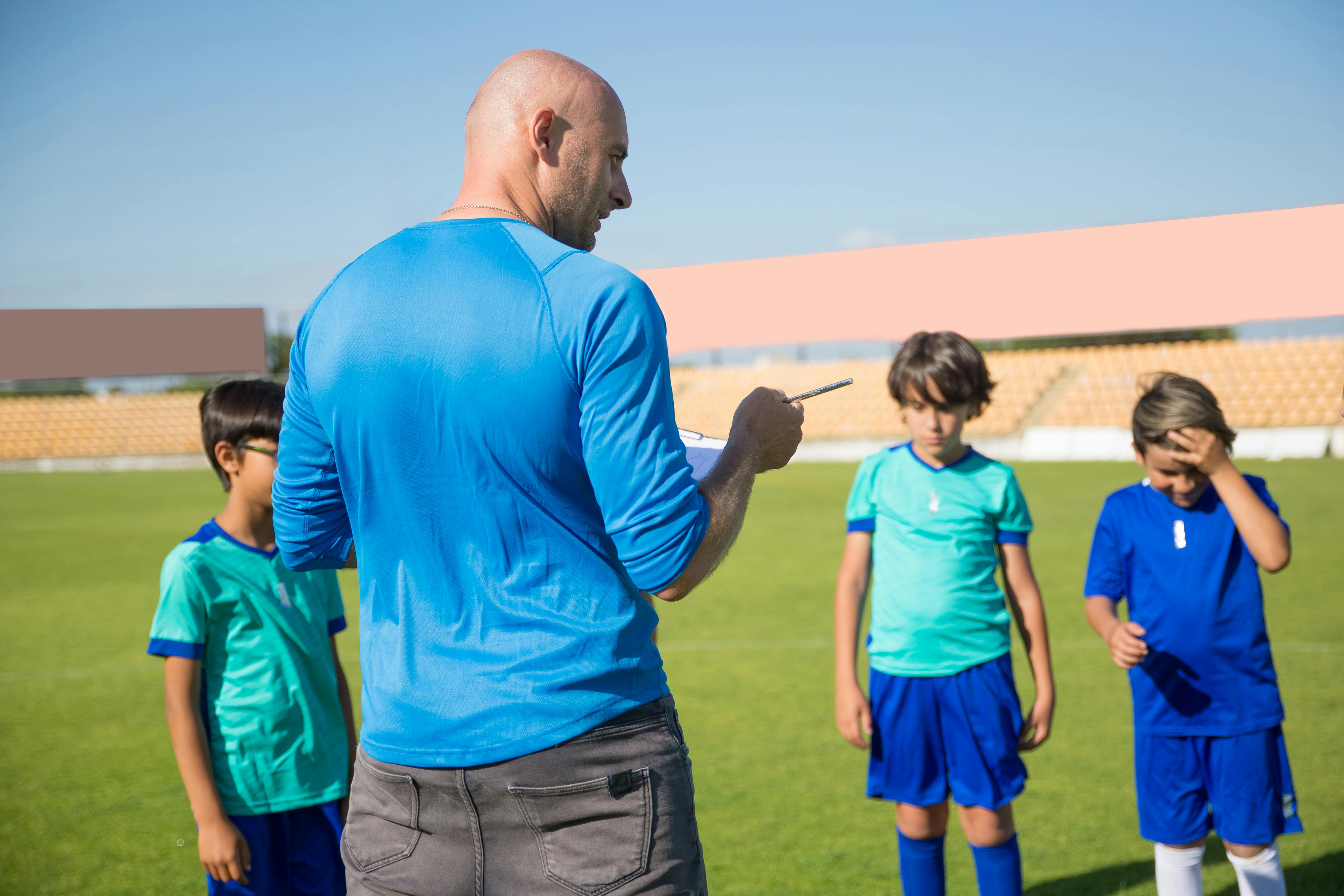
In the evolving landscape of secondary education, the role of sports coaching programs is increasingly recognized as vital in fostering holistic student development. Implementing effective coaching initiatives in secondary schools not only enhances athletic prowess but also promotes teamwork, discipline, and resilience among students. Achieving these goals requires a strategic approach to coaching, underscoring the importance of structured programs that cater to diverse student abilities and interests. Integrating evidence-based strategies and aligning with best practices can significantly elevate the quality and impact of sports coaching in educational settings.
Understanding the Core Components of Effective Coaching Programs
Effective coaching programs in secondary schools are built upon several foundational elements. These components ensure that the coaching delivered is impactful and sustainable.
- Clear Objectives: Establishing well-defined goals helps in guiding the direction of the coaching programs. Whether it’s skill development, physical fitness, or mental resilience, having specific objectives is crucial.
- Qualified Coaches: The expertise and experience of coaches play a pivotal role in the success of sports programs. Investing in professional development and certification such as Certificate III in Sport Coaching ensures that coaches are well-equipped to mentor students effectively.
- Inclusive Curriculum: Programs should be inclusive, catering to different skill levels and encouraging participation from all students, not just the athletically inclined.
- Continuous Assessment: Regular evaluation of both students’ progress and the effectiveness of the program is vital for ongoing improvement and adaptation.
Implementing Strategic Training Modules
Strategic training modules are indispensable in shaping a robust sports coaching framework. These modules should be tailored to meet the unique needs of students, ensuring maximum engagement and development.
Customized Training Plans
Developing customized training plans allows coaches to address the specific strengths and weaknesses of each student. By personalizing training sessions, coaches can foster a more engaging and productive environment. Explore advanced guides and tips on crafting effective training plans tailored to diverse student needs.
Incorporating Technology
Modern sports coaching benefits significantly from technological advancements. Tools such as video analysis, fitness tracking apps, and virtual coaching platforms can enhance training outcomes. Discover expert strategies here to incorporate technology into coaching practices effectively.
Building a Supportive Environment
A supportive environment is crucial for the success of any sports coaching program. This involves fostering a culture of encouragement and positive reinforcement among students and staff.
- Encouraging Team Spirit: Promoting teamwork and collaboration is essential for building camaraderie among students. Activities that require collective effort can strengthen team dynamics.
- Parental Involvement: Engaging parents in the coaching process can enhance student motivation and support. Regular updates and parental workshops can be beneficial.
- Resource Allocation: Ensuring that adequate resources, such as training equipment and facilities, are available is vital for the smooth operation of coaching programs.
Continuous Professional Development for Coaches
The effectiveness of sports coaching programs largely depends on the continuous professional development of coaches. Staying updated with the latest coaching techniques and theories is crucial for delivering high-quality training.
Professional development courses, such as Certificate III in Sport Coaching, offer valuable insights and methodologies that can be integrated into school programs. Find out more about this approach to enhancing coaching competencies and staying abreast of current trends.
Conclusion
Implementing effective sports coaching programs in secondary schools is a multifaceted endeavor requiring dedication, strategic planning, and continuous improvement. By focusing on the core components of successful programs, integrating strategic training modules, fostering a supportive environment, and prioritizing professional development, schools can significantly enhance the impact of their sports coaching initiatives. Investing in these areas ensures that students not only excel athletically but also develop life skills that extend beyond the playing field.