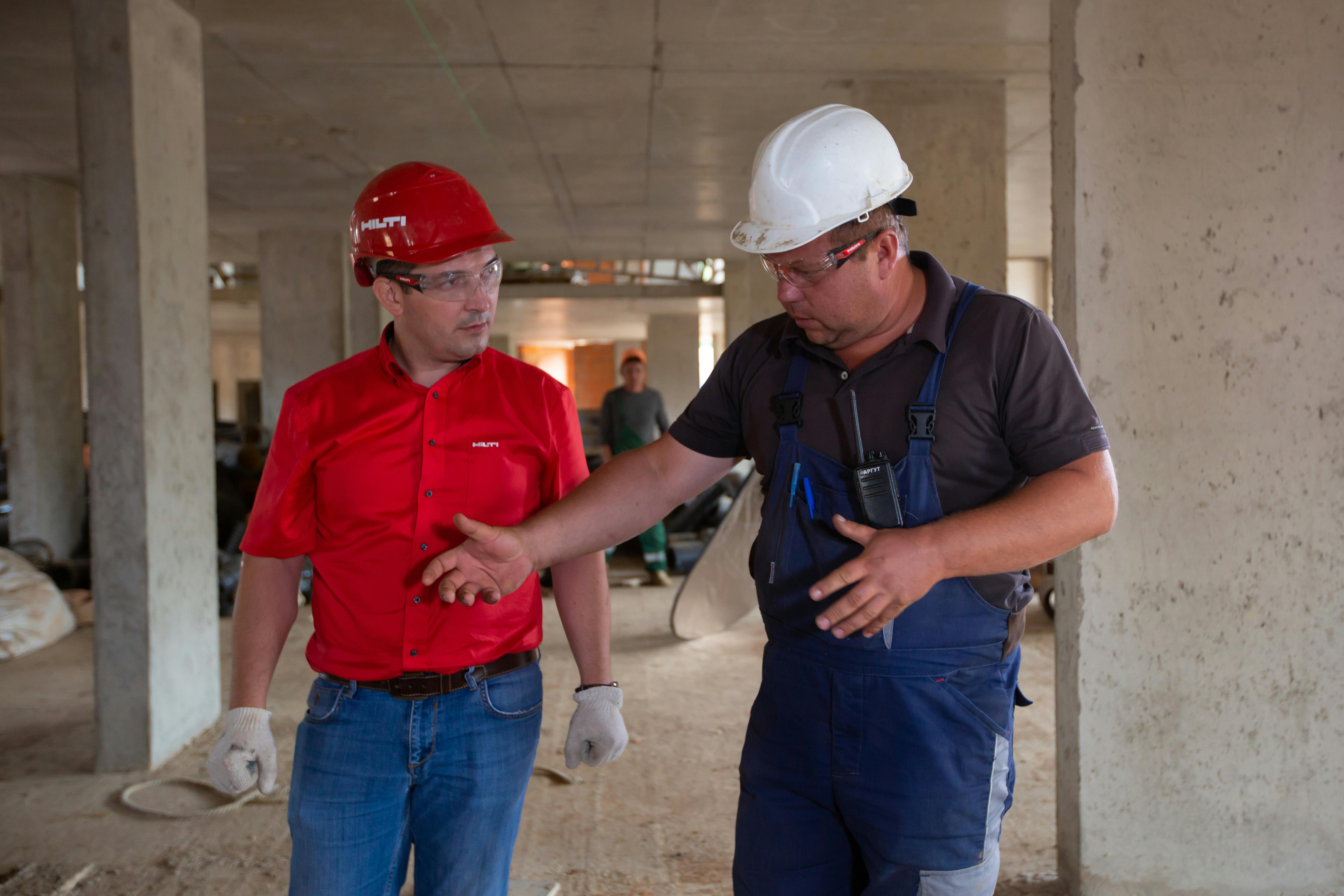
Construction project management is a multifaceted discipline that requires a keen understanding of various elements, including time management, resource allocation, and risk mitigation. As the demand for more complex and larger construction projects grows, the need for proficient management becomes more crucial. Mastering the art of construction project management is essential for delivering projects successfully while maintaining budgetary and time constraints. This article delves into the core components that constitute effective management in the construction industry.
Understanding the Scope of Construction Project Management
The scope of construction project management encompasses various phases, each critical to the project’s overall success. These phases include:
- Initiation: Defining the project scope and objectives.
- Planning: Developing detailed plans and schedules.
- Execution: Coordinating people and resources.
- Monitoring and Controlling: Tracking project performance.
- Closure: Finalizing all activities and formally closing the project.
Effective construction project management ensures that each phase is meticulously executed, leading to a successful project outcome. For further insights into construction project management, consider exploring expert resources and consulting services.
Essential Skills for Construction Project Managers
A successful construction project manager possesses a blend of technical knowledge and soft skills. Here are some essential skills for mastering project management:
- Leadership: The ability to lead teams effectively is crucial.
- Communication: Clear communication with stakeholders and team members.
- Problem-solving: Quickly addressing and resolving issues that arise.
- Time Management: Prioritizing tasks to meet deadlines efficiently.
- Technical Expertise: Understanding construction processes and technologies.
Implementing Effective Risk Management Strategies
Risk management is a vital component of project management, especially in construction where unforeseen challenges can arise. Implementing effective risk management strategies involves:
- Risk Identification: Identifying potential risks early in the project.
- Risk Analysis: Assessing the impact and likelihood of each risk.
- Risk Mitigation: Developing strategies to minimize risks.
- Risk Monitoring: Continuously tracking risks throughout the project.
By understanding and applying these strategies, project managers can reduce the impact of risks, ensuring smoother project execution. Discover more about effective risk management in construction project management.
Leveraging Technology in Construction Project Management
Technology plays an increasingly important role in modern construction project management. The integration of advanced technological tools can enhance efficiency and accuracy in managing construction projects. Key technological advancements include:
- Building Information Modeling (BIM): Facilitates better collaboration and visualization.
- Project Management Software: Streamlines scheduling and resource management.
- Drone Technology: Improves site inspection and monitoring.
- Mobile Applications: Allows for real-time communication and updates.
Embracing these technologies can significantly improve project outcomes by enhancing communication, boosting productivity, and reducing errors.
Conclusion
Mastering the art of construction project management requires a combination of strategic planning, effective communication, and advanced technology utilization. By focusing on these core areas, construction managers can lead their projects to success, delivering quality results within scope, on time, and on budget. For those seeking to enhance their project management skills, resources and consulting services are available to provide guidance and support in navigating the complexities of the construction industry.