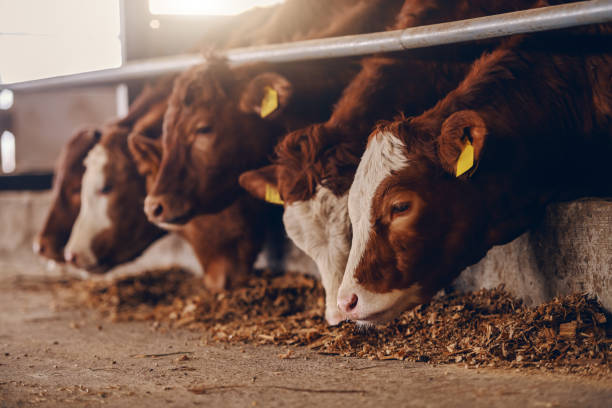
The welfare of animals in agricultural processes is a topic of growing significance within Europe, reflecting broader societal concerns about ethical treatment and sustainability. In the realm of beef production, prioritizing animal welfare standards is not only a moral obligation but also a strategic approach to meet consumer expectations and regulatory requirements. This article explores the importance of these standards in European beef production, the measures taken to ensure high welfare levels, and the impact these practices have on the industry.
The Importance of Animal Welfare in Beef Production
Animal welfare encompasses the physical and psychological well-being of animals. In beef production, maintaining high welfare standards is crucial for several reasons:
- Ethical Responsibility: Ensures humane treatment of animals, aligning with societal values.
- Quality Assurance: High welfare standards often result in better quality beef, as stress-free environments can lead to healthier animals.
- Regulatory Compliance: Meeting or exceeding EU animal welfare regulations helps prevent legal issues and ensures market access.
- Consumer Demand: Increasingly, consumers are making purchasing decisions based on ethical considerations, including animal welfare.
Read more about this topic on the EU Beef and Lamb website.
Current Welfare Standards in the EU
The European Union has some of the strictest animal welfare regulations globally, aimed at promoting humane treatment throughout the beef production process. Key measures include:
Transportation and Handling
The EU enforces regulations that minimize stress during transportation. This includes:
- Limiting transport times and ensuring proper rest periods.
- Mandating appropriate ventilation and temperature control within transport vehicles.
- Providing access to water and feed as needed.
Learn more in this detailed guide on animal transportation standards.
Housing and Living Conditions
Proper housing is critical for maintaining animal welfare in beef production. EU standards focus on:
- Providing sufficient space to allow natural behaviors.
- Ensuring clean and comfortable bedding.
- Maintaining adequate lighting and ventilation.
Explore further insights into housing conditions here.
Impact of High Welfare Standards on the Industry
Implementing high animal welfare standards yields numerous benefits for the beef industry, including:
- Market Access: High welfare standards can open doors to markets with stringent import regulations.
- Brand Reputation: Producers adhering to high welfare standards often enjoy enhanced reputations and consumer trust.
- Economic Benefits: Although initially costly, investing in animal welfare can lead to long-term savings through improved animal health and productivity.
Find additional information on the economic impacts of welfare standards on the EU Beef and Lamb platform.
Conclusion
As the demand for ethically produced goods continues to rise, prioritizing animal welfare standards is essential for the sustainability and success of the European beef industry. By adhering to and exceeding these standards, producers can ensure they meet consumer expectations, comply with regulations, and maintain a competitive edge in the global market. Adopting these practices not only benefits the animals but also enhances the quality and reputation of European beef on the world stage.
For more comprehensive guidance and insights into best practices, visit the official EU Beef and Lamb website.