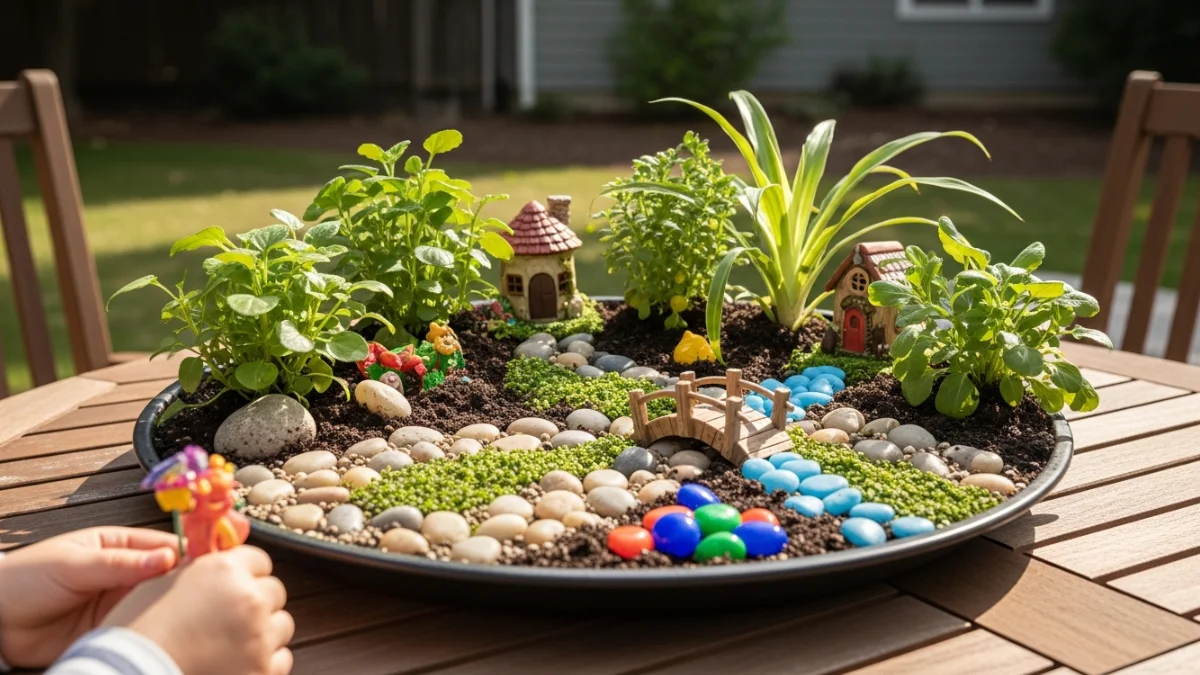
Organic gardening is a rewarding practice that not only contributes to environmental sustainability but also provides a bountiful harvest of fresh produce. The practice of growing plants without synthetic fertilizers or pesticides requires knowledge, patience, and dedication. Whether you’re a seasoned gardener or just starting, adopting effective strategies can significantly enhance your garden’s productivity and health. This article will delve into pro tips for organic gardeners, providing insights into soil management, pest control, and sustainable practices.
Understanding Your Soil
Soil health is the cornerstone of successful organic gardening. Here are some essential tips to ensure your soil remains fertile and productive:
- Test Your Soil: Regular soil testing helps determine pH and nutrient levels, enabling you to make informed decisions about amendments. Discover expert strategies here.
- Compost Regularly: Incorporate organic compost to improve soil structure, enhance moisture retention, and provide essential nutrients.
- Practice Crop Rotation: Rotate crops annually to prevent nutrient depletion and reduce pest buildup.
Pest and Disease Management
One of the challenges of organic gardening is managing pests and diseases without synthetic chemicals. Consider these sustainable pest control methods:
- Encourage Beneficial Insects: Attract ladybugs and lacewings to control aphid populations naturally.
- Use Companion Planting: Planting marigolds alongside vegetables can deter nematodes and attract pollinators.
- Implement Physical Barriers: Apply row covers to protect plants from insect pests and harsh weather conditions.
Natural Remedies
Sometimes, nature provides the best solutions. Here are a few natural remedies for common garden pests:
- Neem Oil: An effective organic pesticide that can control a variety of insects.
- Garlic Spray: Acts as a deterrent for many insects and some fungi.
- Soap Solution: A simple mixture of water and mild soap can eliminate soft-bodied insects.
For more detailed pest management techniques, find out more about this approach.
Water Conservation Techniques
Efficient water use is critical in organic gardening, especially in areas prone to drought. Consider these water conservation strategies:
- Mulching: Apply organic mulch to retain soil moisture, suppress weeds, and regulate soil temperature.
- Drip Irrigation: Utilize drip irrigation systems to deliver water directly to the root zone, minimizing evaporation and runoff.
- Rainwater Harvesting: Collect and store rainwater for irrigation purposes, reducing dependency on municipal water supplies.
Enhancing Garden Biodiversity
A diverse garden is not only beautiful but also resilient. Here?s how to boost biodiversity in your organic garden:
- Plant a Variety of Species: Grow a mix of plants to attract a wide range of pollinators and beneficial insects.
- Create Habitats: Incorporate birdhouses, bat boxes, and insect hotels to provide shelter and nesting sites.
- Preserve Native Flora: Native plants require less maintenance and provide essential resources for local wildlife.
To explore advanced guides and tips on enhancing biodiversity, learn about our tailored solutions.
Seasonal Planning and Maintenance
Successful organic gardening involves careful planning and regular maintenance. Here are some tips to keep your garden thriving year-round:
- Plan Your Planting Schedule: Use a planting calendar to ensure you sow seeds at the optimal time for your region.
- Regularly Prune and Deadhead: Remove spent flowers and prune plants to promote new growth and prevent disease.
- Maintain Garden Tools: Clean and sharpen tools regularly to prevent the spread of disease and ensure efficient work.
By integrating these pro tips into your routine, your organic garden will flourish, providing healthy produce and a sanctuary for wildlife. For more in-depth resources and expert advice, explore advanced guides and tips.