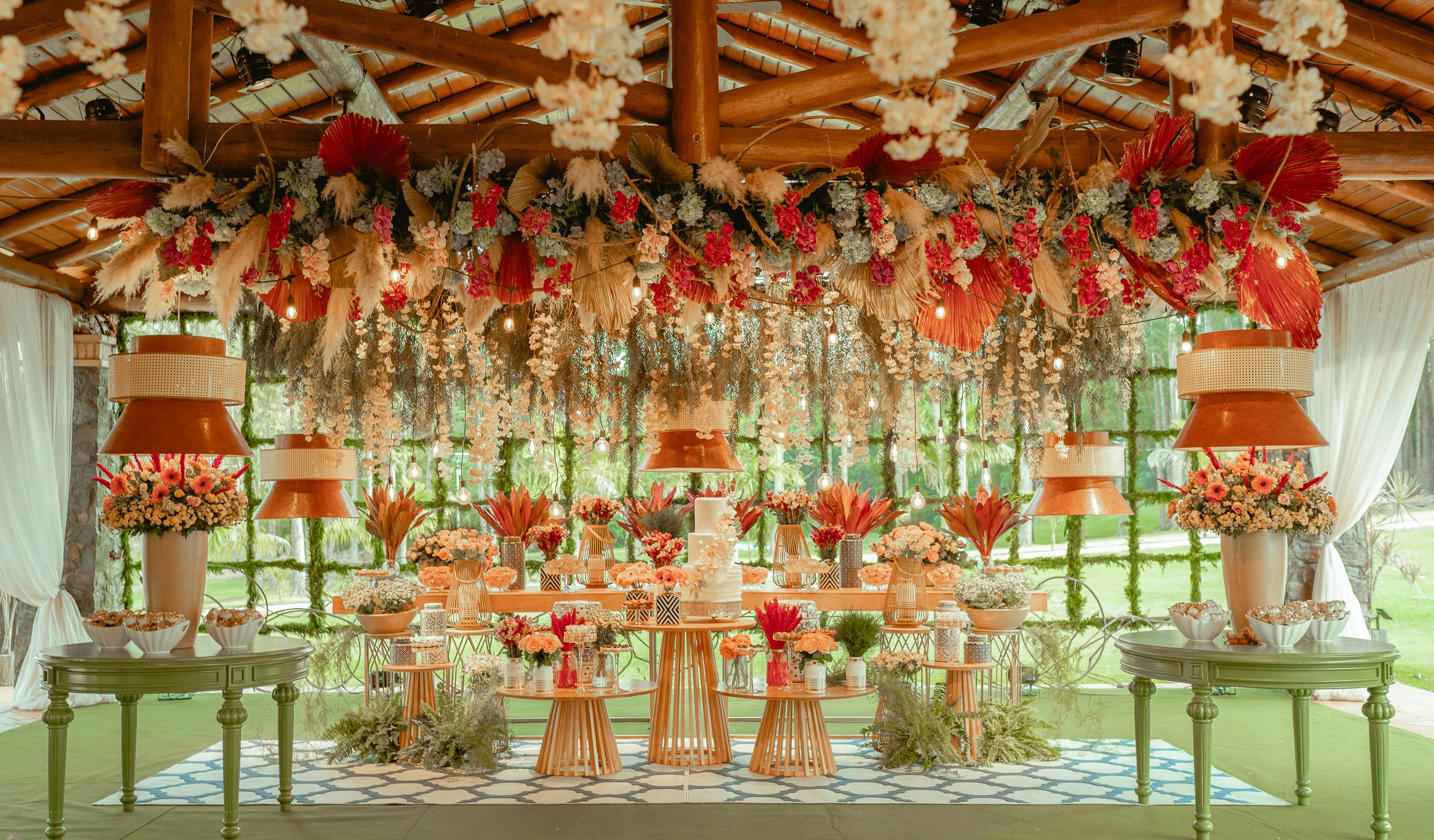
Artificial flower arrangements have become a staple in modern office design, offering a blend of aesthetic appeal, low maintenance, and long-term cost savings. By choosing high-quality silk or polymer blossoms, businesses can create a welcoming environment that reflects professionalism without the concerns of wilting or seasonal changes. This article explores the key considerations for selecting, styling, and maintaining professional artificial flower arrangements that enhance productivity, impress clients, and align with corporate branding.
Why Choose Artificial Flowers for the Workplace?
While fresh cut flowers bring a fleeting burst of color, artificial alternatives provide lasting visual impact. The main advantages include:
- Consistent Appearance: Arrangements remain vibrant year-round, eliminating the need for frequent replacements.
- Cost Efficiency: One-time investment replaces ongoing expenses for fresh bouquets, water, and vase replacements.
- Allergen-Free Environment: Synthetic blooms reduce pollen exposure, supporting employee health and comfort.
- Ease of Maintenance: Dusting or occasional gentle cleaning is all that’s required to keep the display looking pristine.
Design Principles for Professional Settings
1. Align With Corporate Colors and Branding
Integrating the company’s color palette into the floral design reinforces brand identity. For instance, if the brand utilizes navy and silver, select deep-blue hydrangeas or eucalyptus with metallic accents. This subtle coordination creates a cohesive visual narrative across the office space.
2. Scale and Placement
Choosing the right size for each area is essential. Large reception desks benefit from tall, dramatic arrangements, while smaller meeting rooms thrive with compact centerpieces. Consider the line of sight and traffic flow to avoid cluttering high-traffic zones.
3. Texture and Variety
Mixing different flower types, such as roses, orchids, and succulents, adds depth and interest. Combining soft petals with structured foliage creates a balanced composition that feels both natural and refined.
Choosing Quality Materials
Not all artificial flowers are created equal. Premium options use silk, high-grade polymer, or a blend that mimics the translucency and subtle sheen of real petals. When evaluating suppliers, look for:
- Realistic color gradients and veining.
- Sturdy stems that can support heavier vases.
- UV-resistant finishes to prevent fading under office lighting.
For a deeper dive into material selection, Discover expert strategies here.
Styling Tips for Different Office Areas
Reception & Lobby
- Use tall, statement pieces (24-30 inches) to draw attention.
- Incorporate a mix of large blooms and cascading foliage for drama.
- Place arrangements on low, sleek pedestals to maintain sightlines.
Conference Rooms
- Opt for low-profile centerpieces (8-10 inches) that don’t obstruct view.
- Choose calming colors, soft blues, whites, or muted greens, to promote focus.
- Include subtle scent-free elements to keep the space neutral.
Workstations & Break Areas
- Introduce small, modular arrangements that can be easily moved.
- Use vibrant accents to energize collaborative zones.
- Consider modular wall panels with attached floral motifs for a space-saving touch.
Maintenance Best Practices
Even low-maintenance d??cor requires periodic care to retain its luster. Follow these simple steps:
- Dust Regularly: Use a soft microfiber cloth or a gentle brush to remove surface dust.
- Spot Clean Stains: A mild soap solution applied with a cotton swab can treat occasional spills.
- Rotate Arrangements: Periodically change the orientation of larger pieces to prevent uneven fading.
- Inspect for Wear: Replace any broken stems or faded petals to maintain a polished look.
Additional maintenance insights are available in Explore advanced guides and tips.
Integrating Technology and Sustainability
Modern offices increasingly blend design with smart solutions. Consider these innovations:
- LED-Backlit Displays: Embed low-heat LED lighting behind translucent arrangements for a luminous effect without heat damage.
- Smart Sensors: Use humidity and dust sensors to trigger automated cleaning cycles for high-traffic zones.
- Eco-Friendly Materials: Choose flowers made from recycled polymers or sustainably sourced silk to align with corporate sustainability goals.
For a comprehensive overview of sustainable d??cor, Learn about our tailored solutions.
Cost Planning and ROI
Investing in artificial flower arrangements can yield measurable returns beyond aesthetics. Benefits include:
- Reduced recurring floral expenses.
- Enhanced client perception, potentially influencing contract decisions.
- Improved employee morale, which correlates with productivity gains.
When budgeting, allocate funds for high-quality pieces, periodic updates, and any technology integrations. A well-planned arrangement strategy can pay for itself within a year through the combined savings and intangible benefits.
Conclusion
Professional artificial flower arrangements offer a sophisticated, durable, and cost-effective way to elevate office environments. By aligning design with brand identity, selecting premium materials, and implementing thoughtful maintenance routines, businesses can create spaces that inspire confidence and foster a positive workplace culture. For further inspiration and detailed guidance, Find out more about this approach.