
Shopify’s a solid platform on its own, but let’s be honest—no two businesses are exactly alike. That’s where custom Shopify apps come in. They help stores break out of the box, automate the boring stuff, plug in third-party tools, and basically run smarter and faster. These days, if you’re serious about e-commerce, you can’t ignore what a Shopify app development company brings to the table. It’s a must-have skill for developers and a smart investment for any business looking to stand out.
What Shopify Apps Actually Do
Think of Shopify apps as little sidekicks for your store. They jump in where the basic Shopify features leave off—managing inventory, taking payments, handling marketing, supporting customers, crunching analytics. Some apps are on the Shopify App Store for everyone to grab. Others are built just for one merchant, totally custom.
How They’re Built
Shopify app development leans on modern web tech. Shopify provides APIs—Admin API, Storefront API, and Graph QL API—to securely access store data. Webhooks are another tool that lets apps respond in real time to events such as new orders or inventory changes.
Different Types of Shopify Apps

You’ve got a few flavors here. Public apps are for the masses—the kind you find on the App Store, and Shopify checks them over before they go live. Custom apps are more personal, built just for one merchant, and not shared around. Embedded apps live right inside the Shopify admin panel, so they feel like part of the main platform. Standalone apps run independently but still connect to Shopify via APIs.
How the App Development Process Works
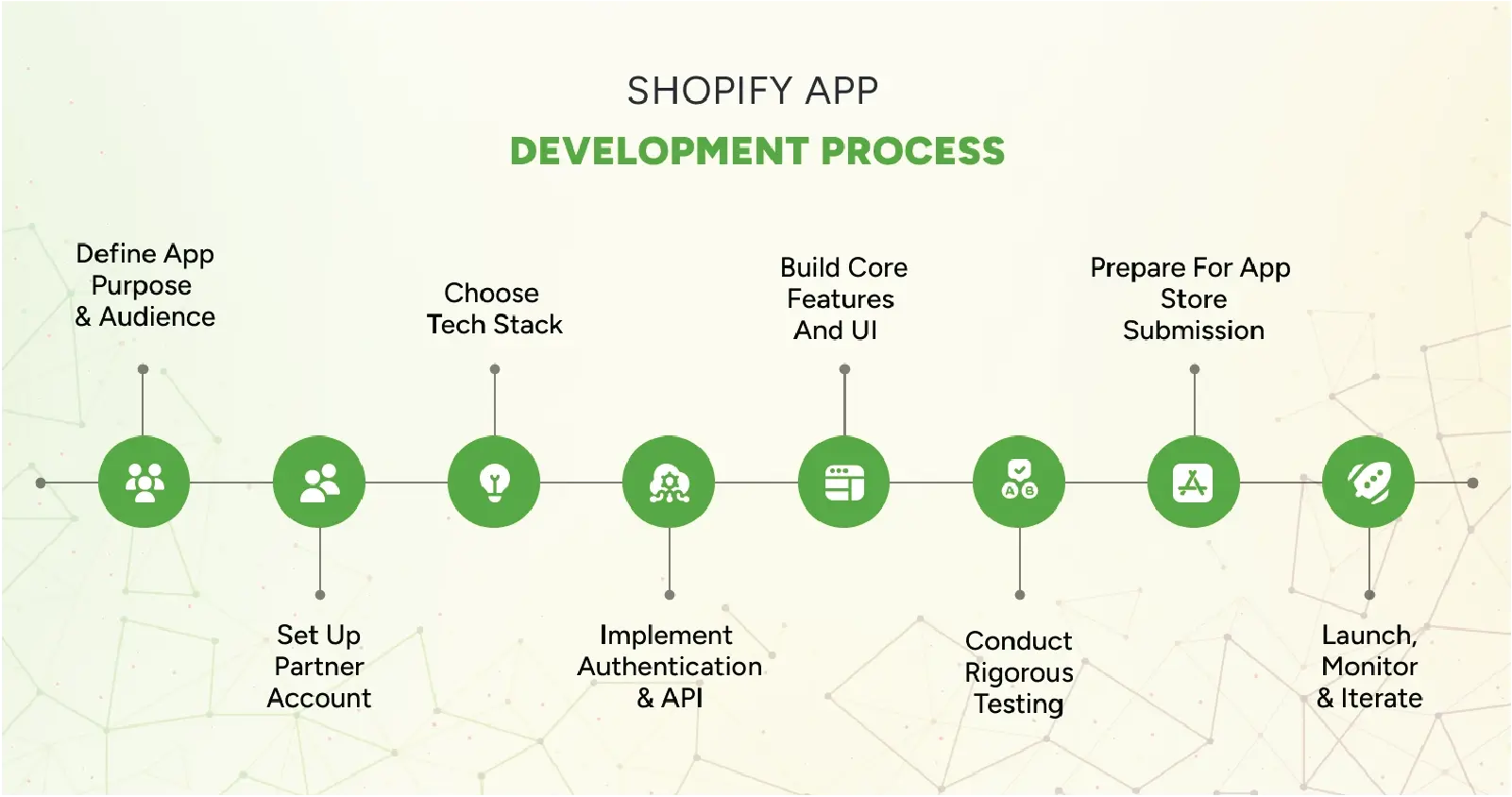
First, figure out what the merchant actually needs, then lay out what the app should do. You set up a Shopify Partner account, create a test store, and start designing how the app will work. Then it’s time to connect it to Shopify’s APIs and set up OAuth authentication. Once everything’s built, you test like crazy to make sure it’s secure, fast, and plays nice with the store.
Keeping Apps Secure and Fast

Security matters, no question. Apps must protect customer data, comply with Shopify’s rules, and use strong authentication. But speed counts too. Slow or buggy apps hurt stores. Developers need to write efficient code, make smart database calls, and build on infrastructure that can keep up as the business grows.
Why Custom Apps Matter for Businesses
Custom Shopify apps give businesses an edge. They automate grunt work, reduce mistakes, and make shopping feel more personal. Apps can integrate with CRMs, ERPs, and marketing tools, so everything works together.
What’s Next for Shopify Apps
Trends like AI-driven personalization, better analytics, headless commerce setups, and tighter integrations with outside tools are shaping the future. Shopify keeps rolling out new APIs and tools so that developers can build even more creative, scalable apps.
Bottom line
A Shopify app development company helps businesses unlock everything Shopify can do, whether they’re building for a single store or the whole marketplace. With the right custom apps, you can boost growth, run more greatly, and stay ahead in the fast-moving world of e-commerce.