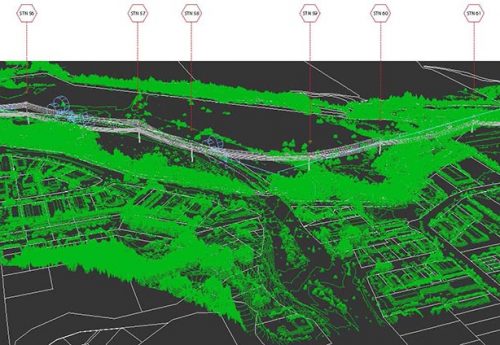
In the realm of landscape architecture, the design documentation process plays a crucial role in translating creative visions into tangible realities. However, this process can often be complex, requiring meticulous attention to detail, effective communication, and an efficient workflow. The integration of advanced tools and strategies can significantly streamline this process, ensuring that projects are not only completed on time but also adhere to the highest standards of quality and sustainability. This article explores key strategies and solutions to enhance the landscape design documentation process, offering insights into the latest trends and technologies shaping the industry.
Understanding the Landscape Design Documentation Process
Landscape design documentation involves the creation of detailed plans, drawings, and specifications that guide the construction and maintenance of outdoor spaces. This process includes several critical steps:
- Initial Site Analysis: Assessing the physical characteristics, environmental conditions, and cultural context of the site.
- Conceptual Design: Developing creative design concepts that align with client goals and site conditions.
- Design Development: Refining design concepts into detailed plans and 3D models.
- Construction Documentation: Preparing precise construction drawings and specifications.
- Project Management: Coordinating with contractors, suppliers, and clients to ensure successful project execution.
Key Strategies for Streamlining Documentation
Leveraging technology and adopting best practices can greatly enhance the efficiency of the landscape design documentation process. Discover expert strategies here.
Adopting Digital Design Tools
The use of digital design tools such as CAD (Computer-Aided Design) and BIM (Building Information Modeling) can drastically reduce the time and effort needed to create and revise design documents. These tools offer:
- High precision and accuracy in design representation.
- Easy collaboration and sharing of design files among stakeholders.
- Integration with GIS (Geographic Information Systems) for enhanced site analysis.
Implementing Collaborative Workflows
Collaboration is key to an effective documentation process. Implementing cloud-based platforms allows for real-time collaboration and updates, ensuring all team members have access to the latest information. Learn about our tailored solutions.
Utilizing Standardized Templates
Developing standardized templates for drawings and specifications can help maintain consistency and reduce the time spent on repetitive tasks. These templates should be:
- Adaptable to different project types and scales.
- Regularly updated to incorporate new insights and standards.
- Accessible to all team members to ensure uniformity.
Emerging Trends in Landscape Design Documentation
Staying abreast of emerging trends can provide a competitive edge in the landscape architecture industry. Explore advanced guides and tips.
Sustainability and Eco-Friendly Practices
Incorporating sustainable practices into design documentation not only aligns with global environmental goals but also meets increasing client demands for eco-friendly solutions. This includes:
- Specifying native and drought-tolerant plant species.
- Designing efficient irrigation systems.
- Using recycled and locally sourced materials.
Integration of Smart Technologies
The integration of smart technologies into landscape designs is transforming the way outdoor spaces are managed. This includes the use of:
- Automated irrigation systems that optimize water usage.
- Lighting systems that enhance safety and aesthetics.
- Monitoring systems that provide real-time data on plant health and environmental conditions.
Conclusion
Streamlining the landscape design documentation process is essential for delivering high-quality projects efficiently and effectively. By embracing digital tools, collaborative workflows, and sustainable practices, landscape architects can enhance their documentation processes and deliver exceptional results. Find out more about this approach. By staying informed about the latest trends and technologies, professionals can continue to innovate and lead in the field of landscape architecture.