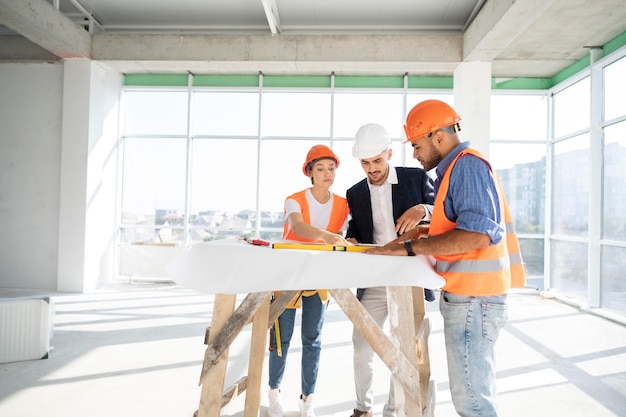
Sustainable construction practices are becoming increasingly important in urban centers like London, where the need to balance growth with environmental responsibility is paramount. As the city continues to expand, the construction industry plays a crucial role in reducing carbon emissions, minimizing waste, and enhancing the quality of urban life. Sustainable construction in London not only addresses environmental concerns but also promotes economic and social sustainability, creating a more resilient city for future generations.
Key Principles of Sustainable Construction
Sustainable construction is guided by several core principles aimed at achieving environmental, economic, and social sustainability. These principles are critical in shaping the future of urban development:
- Energy Efficiency: Reducing energy consumption through innovative design, such as passive solar heating, energy-efficient lighting, and smart building technologies.
- Use of Sustainable Materials: Prioritizing materials that are renewable, recycled, or have a low environmental impact. This includes the use of timber, recycled steel, and low-carbon concrete alternatives.
- Waste Reduction: Implementing construction waste management strategies to reduce, reuse, and recycle materials, thereby minimizing landfill contributions.
- Water Conservation: Incorporating systems to reduce water usage, such as rainwater harvesting and greywater recycling.
- Enhancing Biodiversity: Designing projects that promote green spaces and integrate natural habitats, supporting local wildlife.
For more in-depth exploration of these principles, find additional information here.
Innovative Practices in London
Green Building Certifications
London has seen a rise in buildings adhering to green certification standards, such as BREEAM (Building Research Establishment Environmental Assessment Method) and LEED (Leadership in Energy and Environmental Design). These certifications provide a framework for assessing a building’s sustainability performance, encouraging developers to adopt eco-friendly practices. Explore further insights here about the impact of these certifications on urban development.
Smart Building Technologies
The integration of smart technologies is revolutionizing how buildings are constructed and managed. Smart energy systems, automated lighting, and advanced HVAC systems are examples of how technology is used to optimize energy efficiency and improve occupant comfort. Smart buildings are instrumental in reducing the carbon footprint of urban areas. Learn more in this detailed guide about smart technologies in sustainable construction.
Urban Regeneration Projects
Many of London?s urban regeneration projects incorporate sustainable construction practices to revitalize existing structures while minimizing environmental impact. These projects often include mixed-use developments that combine residential, commercial, and recreational spaces, creating vibrant communities that are both economically viable and environmentally sound. Read more about this topic to understand how urban regeneration contributes to sustainable urban growth.
Challenges and Opportunities
While sustainable construction offers numerous benefits, it also presents challenges that must be addressed to maximize its potential. Some of these challenges include:
- Cost Constraints: Initial costs for sustainable materials and technologies can be higher, although long-term savings and environmental benefits often offset these costs.
- Regulatory Requirements: Navigating the complex regulatory landscape requires careful planning and compliance with environmental standards.
- Skill Gaps: There is a growing need for skilled professionals who are knowledgeable in sustainable construction practices and technologies.
Despite these challenges, there are numerous opportunities for innovation and growth within the sustainable construction sector. As awareness and demand for eco-friendly buildings increase, the industry is poised to develop new solutions that address the environmental needs of urban areas like London. For more on the challenges and opportunities in sustainable construction, find additional information here.
Conclusion
Sustainable construction practices are essential for the future of London?s urban development. By prioritizing energy efficiency, sustainable materials, and innovative technologies, the construction industry can create buildings that are not only environmentally responsible but also economically and socially beneficial. As the city continues to grow, sustainable construction will play a vital role in ensuring that London remains a livable and thriving metropolis. Learn more in this detailed guide about how sustainable construction can shape the future of urban living.