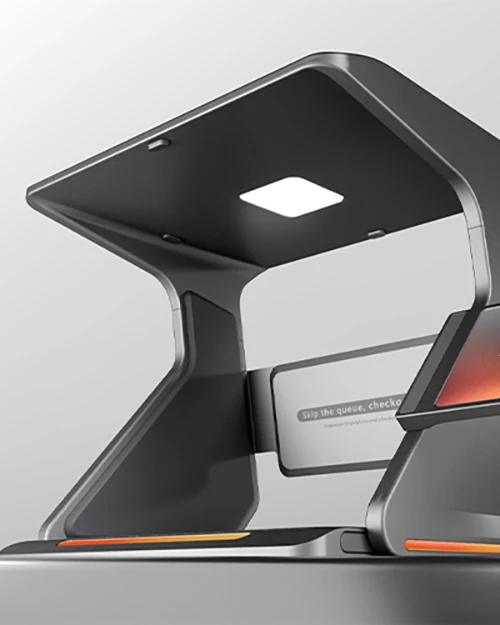
In the modern industrial landscape, the design of products plays a crucial role in shaping the success of businesses. Industrial products design encompasses a wide array of services that aim to blend aesthetics, functionality, and manufacturability into one cohesive process. This multifaceted approach not only enhances the usability and appeal of a product but also ensures that it aligns with market demands and production capabilities. As industries continue to evolve, the need for expert-driven design solutions becomes more pronounced, necessitating a deep understanding of both the artistic and technical aspects of product development.
Understanding Industrial Products Design
Industrial products design is a meticulous process that involves creating and developing concepts and specifications that optimize the function, value, and appearance of products for both manufacturers and consumers. The process can be broken down into several key phases:
- Research and Analysis: Understanding market trends, consumer needs, and technological advancements to inform the design process.
- Concept Development: Generating ideas and visualizing potential product designs through sketches, models, and digital renderings.
- Design Refinement: Iterating on initial concepts to refine aesthetics and functionality, ensuring alignment with industrial products design standards.
- Prototyping: Creating physical or digital prototypes to test and evaluate design concepts in real-world scenarios.
- Production Design: Finalizing design specifications for manufacturing, considering materials, production processes, and cost-effectiveness.
Services Offered in Industrial Product Design
Industrial product design services cover a broad spectrum of activities aimed at transforming ideas into market-ready products. These services include:
1. Conceptual Design
This phase involves brainstorming and developing initial design concepts that align with the client’s vision and market requirements. Conceptual design serves as the foundation for industrial design product development, setting the stage for further refinement and testing.
2. Design for Manufacturability
Design for Manufacturability (DFM) focuses on optimizing the product design to ensure it can be efficiently and cost-effectively manufactured. This service involves:
- Identifying potential manufacturing challenges early in the design process.
- Ensuring designs are compatible with existing production technologies and capabilities.
- Reducing costs by minimizing material waste and simplifying assembly processes.
3. User-Centric Design
Incorporating user feedback and ergonomic principles is crucial in creating products that meet consumer expectations. User-centric design services include:
- Conducting user research to gather insights into consumer preferences and behaviors.
- Developing intuitive interfaces and controls that enhance user experience.
- Testing prototypes with real users to identify areas for improvement.
The Role of Technology in Product Design
Advancements in technology have significantly impacted the way industrial product development is approached. Cutting-edge tools and software facilitate:
- 3D Modeling and Simulation: Enabling designers to create detailed virtual models and simulate product performance under various conditions.
- Rapid Prototyping: Utilizing 3D printing and other technologies to quickly produce prototypes for testing and iteration.
- Collaborative Design Platforms: Allowing multidisciplinary teams to work together seamlessly, enhancing creativity and efficiency.
Conclusion
Industrial product design is an intricate and dynamic field that requires a balance of creativity, technical expertise, and market insight. By leveraging specialized services and embracing technological advancements, companies can create products that not only meet but exceed consumer expectations. The art of industrial products design is a critical component in the success of modern businesses, providing the tools and methodologies needed to navigate the complexities of industrial product development and bring innovative solutions to life.