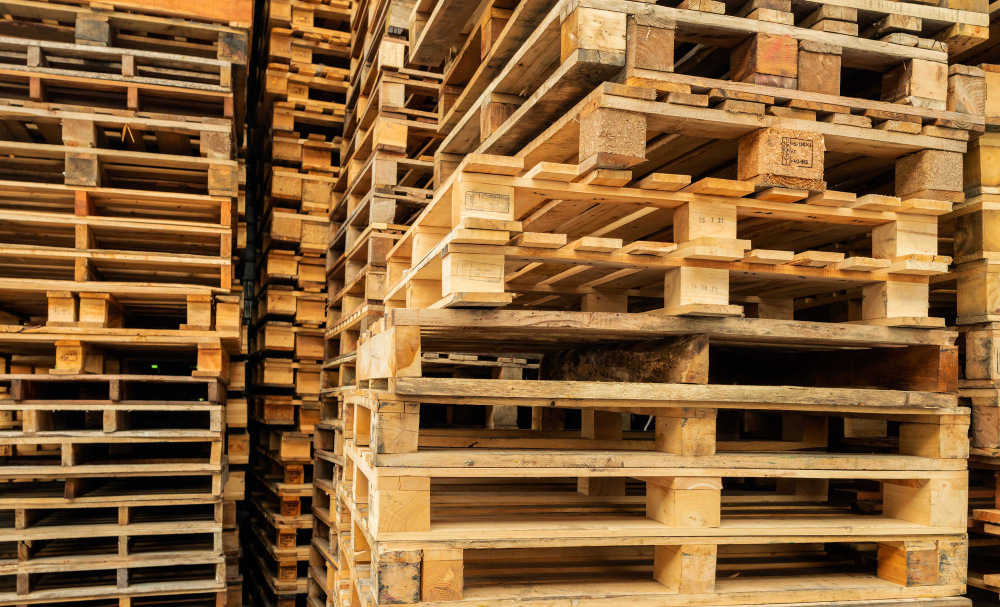
In today”?s fast-paced industrial and commercial environments, optimizing storage solutions is paramount. Businesses constantly seek methods to enhance their operational efficiency while reducing costs. One such method that has stood the test of time is the utilization of standard pallets. These pallets not only streamline storage processes but also offer a host of other benefits, making them an integral component in supply chain management. This article will explore the various benefits of using standard pallets to ensure efficient storage and handling.
Enhanced Storage Efficiency
Standard pallets are designed to be uniform in size and shape, which significantly enhances storage efficiency. This uniformity allows for:
- Consistent stacking, which maximizes vertical space in warehouses and storage facilities.
- Predictable load-bearing capabilities, ensuring that each pallet can securely hold a specific weight without compromising the integrity of stored goods.
- Easy integration with automated storage systems, which are increasingly used in modern warehousing to optimize space utilization and reduce manual handling.
Optimized Warehouse Layouts
The use of standard pallets facilitates the planning of optimized warehouse layouts. By maintaining consistency in pallet size, companies can utilize space more effectively, leading to:
- Improved aisle widths that accommodate various handling equipment such as forklifts and pallet jacks.
- Better organization of inventory, which reduces the time spent locating and retrieving items.
- Enhanced safety, as consistent pallet sizes reduce the risk of accidents associated with uneven stacking or overloading.
Cost-Effective Solutions
Investing in standard pallets can lead to significant cost savings for businesses. The cost-effectiveness stems from several factors:
- Durability and reusability, as standard pallets are built to withstand repeated use and handling.
- Reduced need for custom pallets, which can be expensive and time-consuming to produce.
- Minimized damage to goods during storage and transportation, thanks to the sturdy construction and uniform support that standard pallets provide.
Streamlined Logistics
Standard pallets play a crucial role in streamlining logistics operations. They facilitate the seamless movement of goods across various stages of the supply chain:
- Ease of transfer between different transport modes, such as road, rail, and sea, due to their compatibility with standard loading equipment.
- Reduction in handling time, as standardized pallets simplify the loading and unloading processes.
- Facilitation of international trade, as many countries recognize and use standard pallet dimensions, easing cross-border logistics.
Environmental Considerations
In addition to operational benefits, standard pallets offer environmental advantages that align with sustainable business practices:
- Manufactured from renewable resources, typically wood, which can be recycled or repurposed at the end of their lifecycle.
- Reduction in packaging waste, as reusable pallets decrease the need for disposable packaging materials.
- Contribution to a circular economy, as damaged pallets can often be repaired and reused, minimizing resource consumption.
Sustainability and Corporate Responsibility
Businesses are increasingly recognizing the importance of sustainability in their operations. The use of standard pallets aligns with corporate responsibility goals by reducing the environmental impact of storage and logistics activities. This not only enhances a company’s reputation but also meets the growing consumer demand for environmentally friendly practices.
Conclusion
The adoption of standard pallets is a strategic decision for businesses aiming to enhance efficiency, reduce costs, and promote sustainability in their storage and logistics operations. Their uniformity, durability, and adaptability make them a vital component of modern supply chain strategies. By leveraging the benefits of standard pallets, companies can achieve a competitive edge in the marketplace while contributing to a more sustainable future.