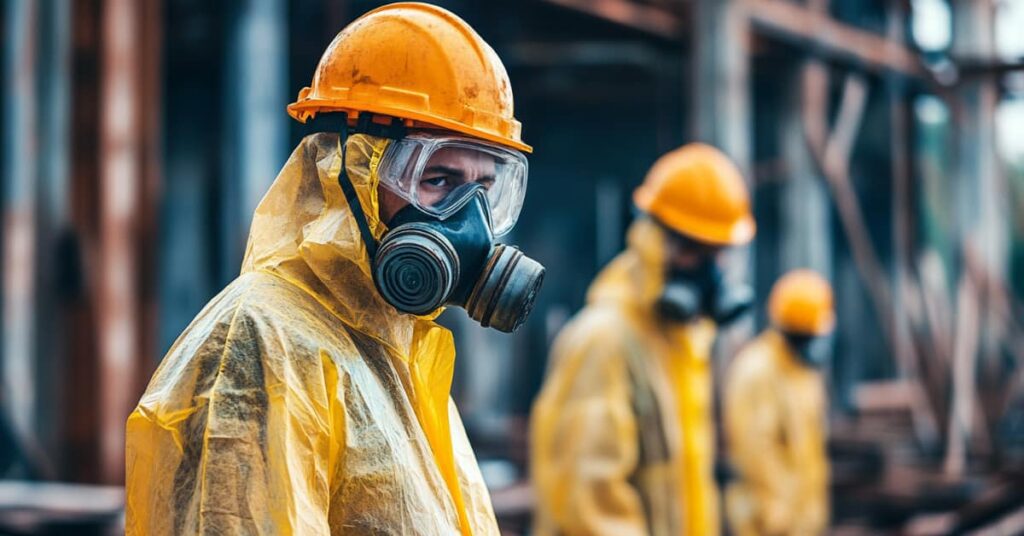
The remediation of hazardous materials is a critical process that mitigates potential risks associated with exposure to toxic substances. These efforts are not only crucial for safeguarding human health but also play a significant role in protecting the environment. However, the remediation process itself can have various environmental impacts. Understanding these impacts and implementing effective strategies is essential for minimizing negative consequences. This article delves into the environmental implications of hazardous materials remediation and explores best practices for sustainable remediation efforts.
Understanding Hazardous Materials Remediation
Hazardous materials remediation involves the identification, containment, removal, and disposal of toxic substances from contaminated sites. These materials can include chemical spills, asbestos, lead, and other industrial pollutants. The primary objectives of remediation are to prevent environmental contamination, restore ecosystems, and protect public health.
Environmental Impacts of Remediation Efforts
While remediation aims to alleviate environmental harm, the process itself can have unintended consequences. Key environmental impacts include:
- Resource Consumption: Remediation often requires substantial amounts of water, energy, and raw materials, contributing to resource depletion.
- Emissions: The use of heavy machinery and transport vehicles can lead to increased emissions of greenhouse gases and pollutants.
- Waste Generation: The removal of hazardous waste can result in significant amounts of secondary waste, requiring careful disposal.
- Habitat Disruption: Remediation activities can disturb local flora and fauna, leading to habitat loss and reduced biodiversity.
To address these impacts, it is essential to adopt environmentally responsible remediation practices. Find out more about this approach.
Strategies for Minimizing Environmental Impact
Effective remediation strategies can help mitigate environmental impacts while achieving desired outcomes. Here are some approaches to consider:
1. Sustainable Resource Management
Implementing sustainable practices in resource management is vital. This includes:
- Utilizing energy-efficient technologies and equipment to reduce energy consumption.
- Recycling water and using alternative water sources to minimize water usage.
- Opting for materials with lower environmental footprints.
Explore advanced guides and tips on sustainable resource management here.
2. Emission Reduction Techniques
Reducing emissions is crucial for minimizing the carbon footprint of remediation projects. Techniques include:
- Employing electric or hybrid vehicles to decrease reliance on fossil fuels.
- Implementing efficient logistics to optimize transportation routes and reduce travel distances.
- Incorporating carbon capture and storage technologies where applicable.
Discover expert strategies here.
3. Waste Management and Recycling
Proper waste management is essential for minimizing the environmental impact of remediation efforts. Consider the following:
- Encouraging on-site waste treatment and recycling to reduce landfill dependency.
- Implementing waste segregation and classification to enhance recycling processes.
- Partnering with certified waste disposal companies to ensure compliance with environmental regulations.
Learn about our tailored solutions for waste management here.
Conclusion
The environmental impact of hazardous materials remediation efforts is a complex issue that requires careful consideration and strategic planning. By adopting sustainable practices, reducing emissions, and managing waste effectively, the negative impacts of remediation can be significantly minimized. Industry professionals must remain committed to continuous improvement and innovation to protect the environment while ensuring effective remediation outcomes. For more insights on sustainable remediation, explore advanced guides and tips.