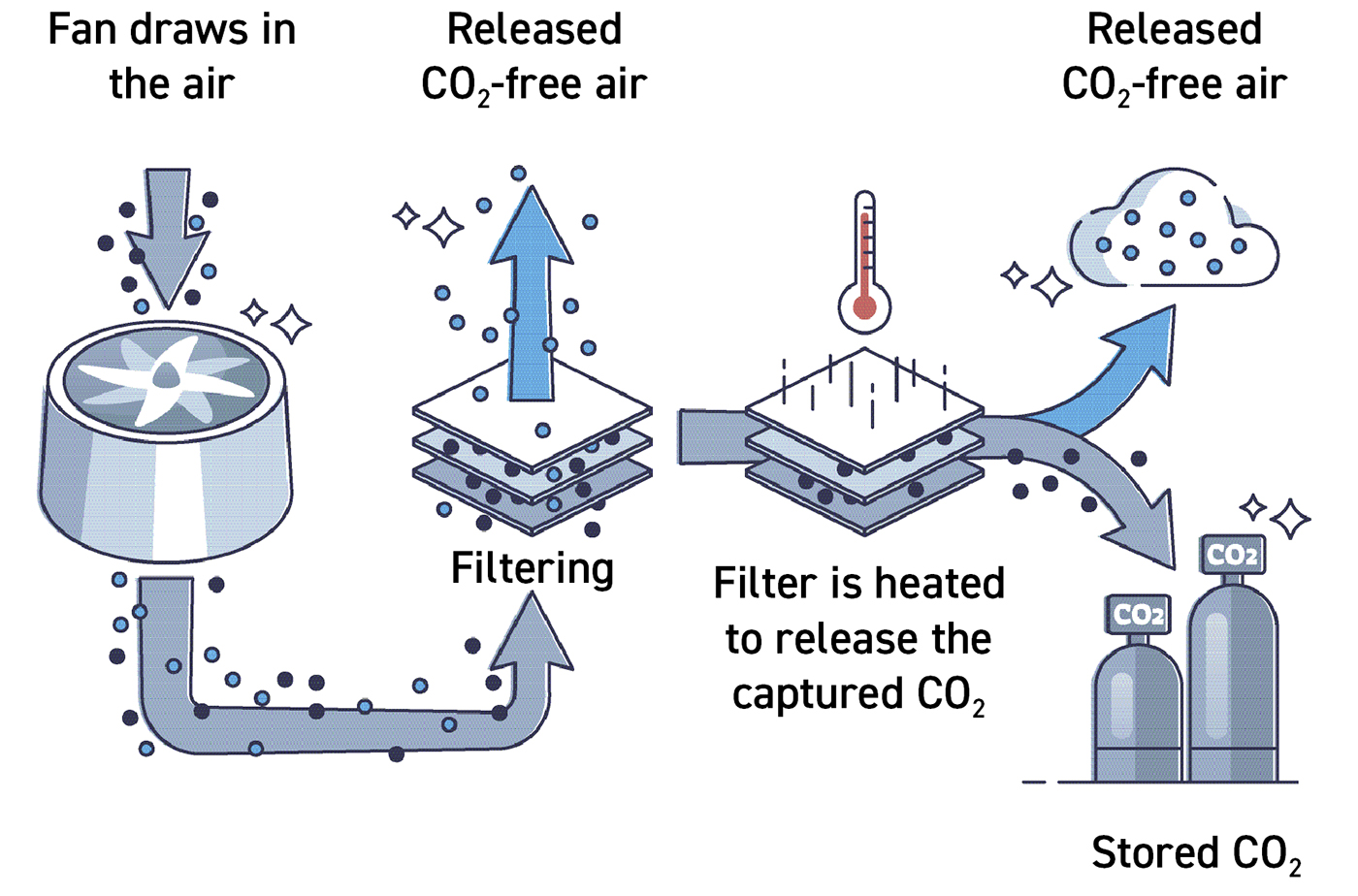
As the world continues to grapple with the pressing issue of climate change, the quest for viable solutions becomes more urgent. One such solution that has garnered significant attention is carbon capture technology. Enhancing carbon capture efficiency is pivotal in mitigating the adverse effects of industrial emissions and steering towards a sustainable future. This article delves into why improving carbon capture efficiency is crucial and explores the pathways to achieving this goal.
The Need for Enhanced Carbon Capture Efficiency
Carbon capture and storage (CCS) is a critical component in the portfolio of technologies needed to reduce greenhouse gas emissions. Despite its potential, current carbon capture systems face challenges in terms of efficiency and cost-effectiveness. Improving these systems is essential for several reasons:
- Reducing the carbon footprint of industrial processes.
- Facilitating compliance with environmental regulations.
- Supporting the transition to a low-carbon economy.
Technological Advancements in Carbon Capture
Recent advancements in CCS technologies have opened new avenues for improving efficiency. Innovations in materials science, chemical engineering, and data analytics are driving progress. Here are some key developments:
Advanced Materials
The development of advanced materials, such as metal-organic frameworks (MOFs) and advanced solvents, is enhancing the ability of capture systems to efficiently separate carbon dioxide from other gases.
Process Optimization
Enhanced process design and optimization, leveraging computational modeling and simulation, allow for more effective carbon capture operations, reducing energy consumption and operational costs.
Economic and Environmental Benefits
Improving carbon capture efficiency has profound economic and environmental implications. Key benefits include:
- Lower operational costs, making CCS more financially viable for industries.
- Increased competitiveness by enabling industries to meet stringent environmental standards.
- Substantial reduction in greenhouse gas emissions, contributing to global climate targets.
Challenges and Future Directions
While progress is evident, several challenges persist in improving carbon capture efficiency. These include:
- High initial investment costs.
- Technical complexities in scaling up technologies.
- Need for supportive policies and regulatory frameworks.
Addressing these challenges requires a multi-faceted approach involving government policies, private sector investment, and continued research and development. Collaborative efforts will be key to advancing carbon capture efficiency and realizing its full potential.
Conclusion
As the global community strives to combat climate change, improving the efficiency of carbon capture technologies stands out as a central strategy. By enhancing the effectiveness of these systems, there is an opportunity to significantly reduce emissions and move closer to achieving a sustainable, low-carbon future. The journey towards optimized carbon capture is not without its hurdles, but with persistent effort and innovation, the benefits far outweigh the challenges.