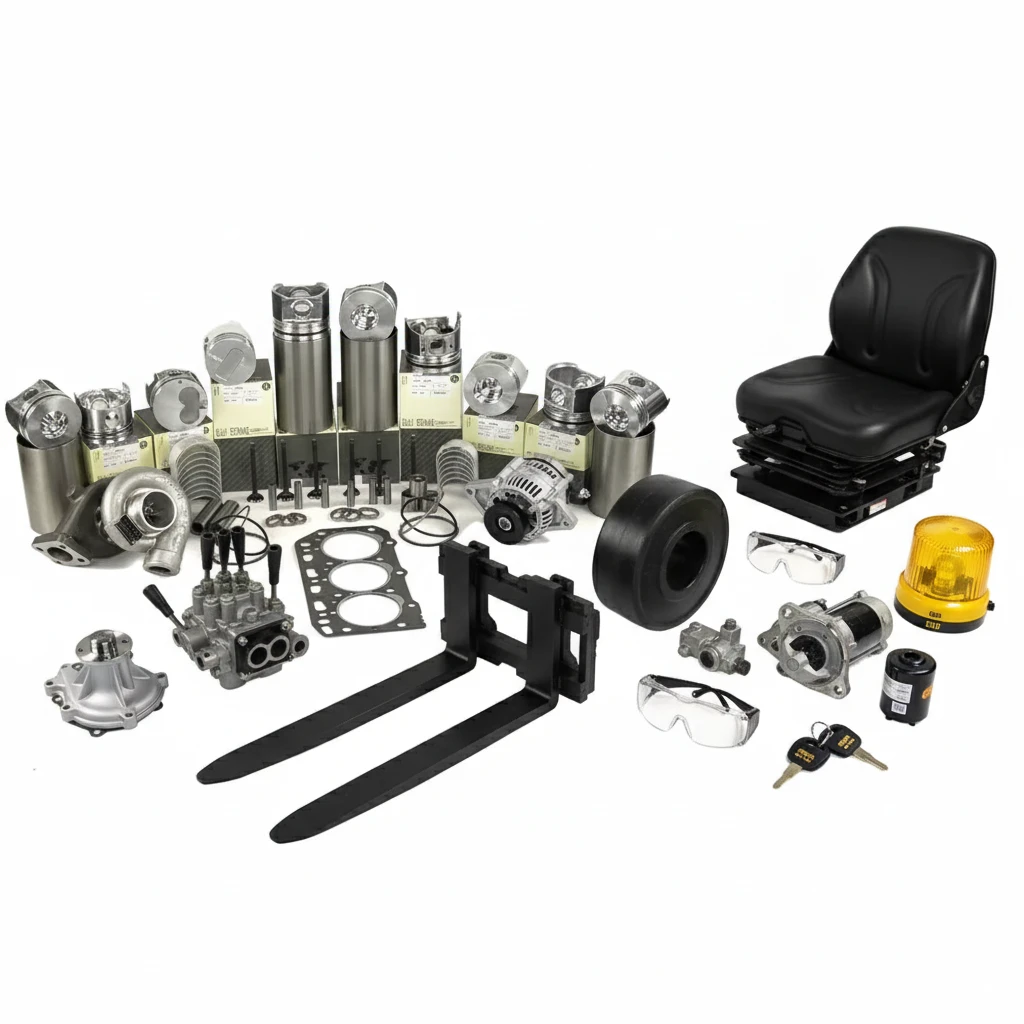
Forklifts are integral to many industries, especially in warehouses, manufacturing plants, and construction sites. They play a critical role in enhancing productivity and ensuring the seamless movement of goods. However, to maintain the longevity and efficiency of a forklift, regular maintenance of its components is essential. Among these components, the radiator plays a pivotal role in preventing the engine from overheating, which can lead to significant operational downtimes. Therefore, understanding the importance of regular maintenance for your forklift radiator is crucial for ensuring optimal performance and reducing costly repairs.
Understanding the Role of a Forklift Radiator
The radiator is a vital component of the forklift’s cooling system. It functions to dissipate heat away from the engine, preventing it from overheating. This process involves the circulation of coolant through the engine block, absorbing heat, and then passing through the radiator where it is cooled down by air flow. Without a properly functioning radiator, the risk of engine overheating increases, potentially leading to severe damage and costly repairs.
Key Functions of a Forklift Radiator Include:
- Cooling the engine to prevent overheating.
- Maintaining optimal engine performance.
- Ensuring the longevity of the forklift’s engine.
The Consequences of Neglecting Radiator Maintenance
Neglecting regular maintenance of a forklift radiator can lead to several undesirable outcomes:
- Engine Overheating: A malfunctioning radiator fails to regulate the engine temperature, leading to overheating and potential engine failure.
- Increased Repair Costs: Ignoring radiator issues can result in extensive engine damage, incurring significant repair expenses.
- Operational Downtime: Forklifts with faulty radiators are more prone to breakdowns, disrupting operations and leading to decreased productivity.
To avoid these issues, it is crucial to adhere to regular maintenance schedules. Find out more about this approach to ensure your forklift’s radiator remains in peak condition.
Best Practices for Forklift Radiator Maintenance
Regular Inspection and Cleaning
Routine inspections can help identify potential issues before they escalate into major problems. During inspections, check for any coolant leaks, corrosion, or physical damage to the radiator. It is also important to keep the radiator clean from any debris or dirt that could obstruct airflow. Explore advanced guides and tips on maintaining a clean radiator and ensuring optimal performance.
Coolant Management
Maintaining the correct coolant levels is essential for the radiator’s efficiency. Regularly check the coolant level and top it up as needed. Additionally, ensure that the coolant used is appropriate for the specific model of the forklift. Discover expert strategies here on how to manage coolant effectively.
Professional Servicing
While regular checks and basic maintenance can be performed in-house, professional servicing is recommended for thorough inspections and repairs. Professionals have the expertise to identify and rectify issues that may not be evident during routine checks. Learn about our tailored solutions for professional radiator servicing.
Conclusion
Regular maintenance of a forklift radiator is not just an option, but a necessity for ensuring the longevity and reliability of your equipment. It helps in preventing engine overheating, reducing repair costs, and minimizing operational downtimes. By adopting a proactive approach to radiator maintenance, one can significantly enhance the performance and efficiency of a forklift. For those seeking more comprehensive insights and strategies, explore advanced guides and tips to keep your forklift radiator in excellent condition.