The allure of solid wood panels in furniture design is timeless. Known for their durability, aesthetic appeal, and versatility, these panels have become a preferred choice among designers and craftsmen. Their ability to transform any space with a touch of elegance is unparalleled, making them an excellent investment for lasting furniture pieces. This guide delves into the intricacies of using solid wood panels, exploring their benefits, applications, and considerations to help you make informed decisions in your design endeavors.
The Benefits of Solid Wood Panels
Solid wood panels offer numerous advantages that make them a desirable material for furniture design:
- Durability: Solid wood is renowned for its strength and longevity, ensuring furniture pieces withstand wear and tear over the years.
- Aesthetic Appeal: The natural grain and color variations of wood add a unique charm and warmth to any design.
- Versatility: Available in various species and finishes, solid wood panels can be tailored to suit different design styles, from modern to traditional.
- Eco-Friendly: Wood is a renewable resource, and responsibly sourced panels contribute to sustainable design practices.
Applications in Furniture Design
Solid wood panels are versatile and can be utilized in various furniture projects:
Tables and Desks
Utilizing solid wood panels for furniture such as tables and desks offers a robust surface that can handle daily use while maintaining its aesthetic appeal. The ability to customize sizes and finishes allows for unique designs that cater to specific needs and preferences.
Cabinets and Shelving
For cabinets and shelving, solid wood panels provide strength and stability, ensuring that these pieces can support weight and resist sagging over time. The natural beauty of wood also enhances the visual appeal of storage solutions.
Wall Paneling
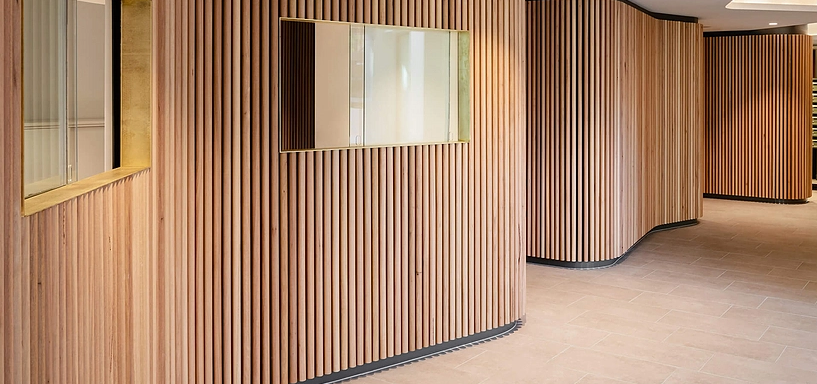
Beyond furniture, tambour wood panel designs can be used for decorative wall paneling, creating a seamless and elegant look that adds depth and character to any room.
Design Considerations
When working with solid wood panels, several factors should be considered to ensure successful design outcomes:
- Wood Species: Different species offer varying characteristics in terms of color, grain, and hardness. Understanding these differences helps in selecting the right species for your project.
- Moisture Content: Wood can expand and contract with changes in humidity. It is crucial to ensure that the panels are properly acclimatized to the environment where they will be used.
- Finish: Selecting the right finish can enhance the wood’s natural beauty while providing protection. Options range from natural oils to varnishes and lacquers.
- Joinery Techniques: Proper joinery is essential for the structural integrity of furniture pieces. Techniques such as dovetail and mortise-and-tenon ensure durability and aesthetic charm.
Innovative Uses
Innovative applications of solid wood panels extend beyond traditional furniture design. For instance, solid wood tambour panel designs are gaining popularity for their flexibility and fluidity, making them ideal for creating curved or slatted surfaces.
Another innovative application is the use of curved wood panel designs, which can add a dynamic and modern touch to interiors, breaking away from the conventional straight lines of traditional furniture pieces.
Conclusion
Solid wood panels offer a blend of durability, beauty, and versatility that is hard to match. Whether designing a statement piece or integrating subtle elegance into a space, these panels provide endless possibilities. By understanding their benefits, applications, and design considerations, one can harness the full potential of solid wood panels in creating furniture that is not only functional but also an embodiment of craftsmanship and style.