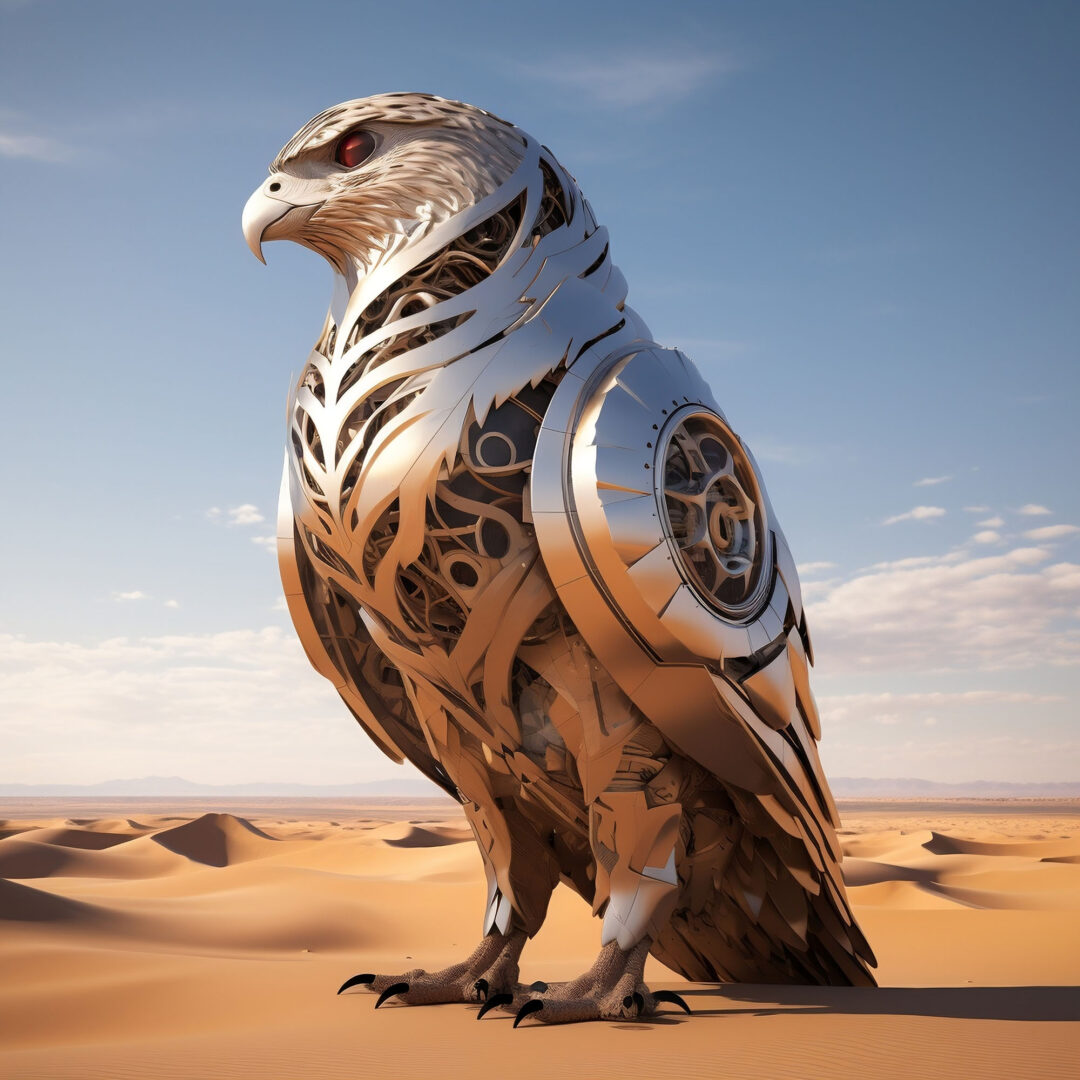
Art installations have become a powerful means to transform spaces, turning ordinary environments into extraordinary experiences. By integrating art with architecture and the environment, these installations captivate audiences, evoke emotions, and provoke thought. The enchantment of art installations lies in their ability to redefine the perception of space, creating immersive experiences that engage the senses and encourage interaction. This article explores how art installations are redefining spaces and the impact they have on our environment.
The Evolution of Art Installations
Art installations have evolved significantly over the years, moving beyond traditional art forms to include a variety of mediums and techniques. The contemporary art scene embraces installations that incorporate technology, light, sound, and interactive elements. This evolution has expanded the possibilities of what art can be and how it can be experienced by audiences.
Key Elements of Modern Art Installations
- Interactivity: Many installations today encourage audience participation, allowing viewers to engage with the artwork in a personal and meaningful way.
- Technology: The use of digital tools, projection mapping, and augmented reality has pushed the boundaries of traditional art, creating dynamic and ever-changing experiences.
- Environmental Integration: Installations often interact with their surroundings, whether it be urban landscapes, natural settings, or architectural features, enhancing the overall impact.
Impact on Public Spaces
Art installations play a crucial role in revitalizing public spaces, transforming them into vibrant cultural destinations. They can attract visitors, stimulate local economies, and foster community engagement. In urban environments, installations offer a respite from the concrete jungle, providing a space for reflection, inspiration, and social interaction. Explore further insights here.
Benefits of Art Installations in Public Areas
- Community Engagement: Art installations can bring communities together, sparking conversations and encouraging collaboration between artists, local governments, and residents.
- Cultural Identity: By reflecting local culture and history, installations can reinforce a community’s identity and pride.
- Tourism and Economic Growth: Unique and large-scale installations can become tourist attractions, driving foot traffic and boosting local businesses.
Art Installations in Interior Spaces
Beyond public spaces, art installations are increasingly being used to transform interior environments, from corporate offices to private residences. These installations can redefine the atmosphere of a space, influence mood, and foster creativity.
Applications in Interior Design
- Corporate Environments: Art installations in office spaces can enhance brand identity, improve employee morale, and stimulate creativity.
- Residential Spaces: Custom installations can personalize living spaces, making them unique and reflective of the owner’s taste and personality.
- Retail and Hospitality: In these sectors, installations can enhance customer experience, creating memorable and Instagram-worthy moments.
For those interested in the transformative power of art installations, there is a wealth of information available on how to incorporate these elements into various spaces. Learn more in this detailed guide.
Sustainability and Art Installations
As sustainability becomes a global priority, artists and designers are increasingly focusing on creating installations that are environmentally friendly. This involves using sustainable materials, minimizing waste, and considering the environmental impact of the artwork.
Sustainable Practices in Art Installations
- Recycled Materials: Artists are utilizing recycled and upcycled materials to reduce the carbon footprint of their installations.
- Renewable Energy: Incorporating solar panels and other renewable energy sources to power installations is becoming increasingly common.
- Minimal Impact: Designing installations that leave minimal environmental impact ensures that art and nature can coexist harmoniously.
To delve deeper into the intersection of art, technology, and sustainability, find additional information here.
In conclusion, art installations have the power to transform spaces in profound ways, enriching our environments and enhancing our interactions with them. As artists continue to innovate and push boundaries, the potential for art to inspire and connect us grows exponentially. Read more about this topic.