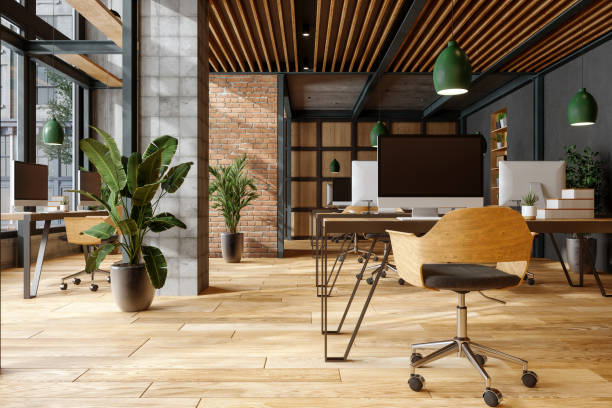
In the ever-evolving world of architecture and construction, innovative materials play a crucial role in transforming spaces. One such material that has gained significant traction is thin brick. Known for its versatility and aesthetic appeal, thin brick offers a host of advantages that make it a favorite among architects and builders alike. This article delves into the various construction techniques that leverage thin brick to redefine spaces, enhancing both their functional and visual appeal.
The Rise of Thin Brick in Modern Construction
Thin brick is not just a trend; it is a revolutionary approach that marries the timelessness of traditional brick with modern construction needs. This material is particularly popular in urban settings where space and weight constraints pose challenges. The following points illustrate why thin brick is gaining popularity:
- Lightweight Nature: Thin brick is significantly lighter than traditional brick, making it easier to handle and install, especially in high-rise buildings.
- Cost-Effective: Reduced material requirements and ease of installation contribute to overall cost savings.
- Versatile Design Options: Available in a variety of colors, textures, and sizes, thin brick offers endless design possibilities.
- Durability: Despite being lightweight, thin brick maintains the durability and resilience of its traditional counterparts.
Applications of Thin Brick
The applications of thin brick are vast and varied, ranging from enhancing residential exteriors to revamping commercial spaces. Some of the most common applications include:
- Facades: Thin brick is an excellent choice for cladding building facades, providing a classic brick appearance without the added weight.
- Interior Walls: It adds warmth and texture to interior walls, creating an inviting atmosphere.
- Restoration Projects: Ideal for restoring historical buildings where maintaining the original aesthetic is paramount.
Introducing Thin Brick Construction Techniques
Thin brick construction techniques have revolutionized the industry by offering efficient solutions without compromising on aesthetics or strength. The following techniques highlight how thin brick can be integrated into various construction projects:
Thin Brick Formliners
One innovative approach involves the use of thin brick formliners. These formliners are used to create concrete panels that mimic the appearance of traditional brickwork. The advantages of using thin brick formliners include:
- Seamless Integration: Formliners allow for the seamless incorporation of thin brick into precast concrete elements.
- Consistency: Ensures uniformity in the appearance of large-scale projects, maintaining aesthetic integrity.
- Reduced Labor: Minimizes the need for skilled labor and speeds up the construction process.
Direct Adhered Method
The direct adhered method is another popular technique in thin brick construction. This involves adhering thin bricks directly onto a substrate using a bonding agent. Key benefits include:
- Flexibility: Suitable for both interior and exterior applications.
- Customization: Allows for custom patterns and designs, catering to specific architectural visions.
- Time Efficiency: Quick installation process reduces project timelines.
Environmental and Economic Benefits
Adopting thin brick in construction not only enhances aesthetic appeal but also offers environmental and economic benefits:
- Eco-Friendly: The production of thin brick uses fewer natural resources, reducing its environmental footprint.
- Energy Efficiency: Thin brick can contribute to better insulation, leading to energy savings.
- Longevity: Its durability reduces the need for frequent repairs or replacements, offering long-term cost savings.
In conclusion, the incorporation of thin brick into modern construction represents a fusion of traditional aesthetics and contemporary efficiency. By understanding and utilizing the various techniques available, architects and builders can create spaces that are not only visually stunning but also functionally superior. As the industry continues to evolve, thin brick stands out as a material that promises to redefine the landscape of architectural design.