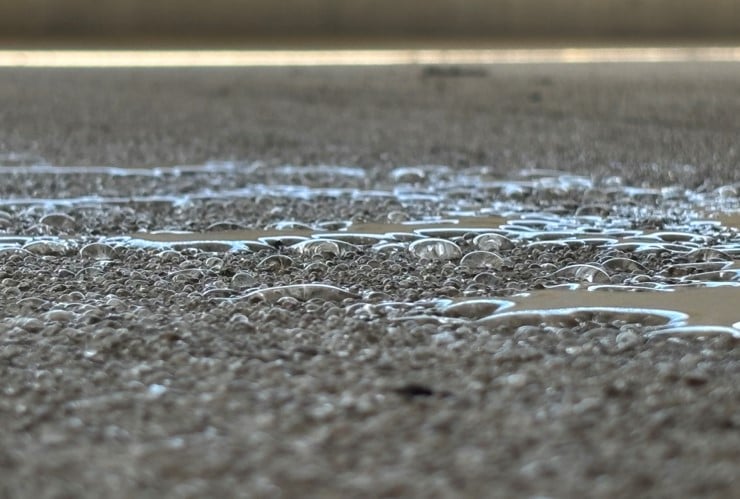
When it comes to protecting and enhancing the durability of your surfaces, selecting the appropriate sealer is crucial. Water-based penetrating sealers are a popular choice due to their eco-friendly nature and effective performance. This guide will walk you through the essential factors to consider when choosing a water-based penetrating sealer, ensuring longevity and protection for your surfaces.
Understanding Water-Based Penetrating Sealers
A water based penetrating sealer is designed to penetrate the surface of materials such as concrete, stone, or brick, providing protection from within. Unlike film-forming sealers that sit on the surface, penetrating sealers work below the surface, offering a natural look and preserving the material’s original appearance.
Benefits of Water-Based Penetrating Sealers
- Eco-Friendly: These sealers are generally low in volatile organic compounds (VOCs), making them a safer option for the environment and human health.
- Long-Lasting Protection: By penetrating the surface, they provide durable protection against moisture, stains, and weathering.
- Maintains Natural Look: They do not alter the appearance of the surface, maintaining the natural beauty of the material.
- Easy Application: Water-based sealers are easy to apply, often requiring just a brush, roller, or sprayer.
Key Factors to Consider
Surface Type
Understanding the surface material is crucial. Different surfaces may require different formulations of water-based penetrating sealers. For instance, concrete surfaces may require a different type of sealer compared to natural stone.
Performance Requirements
Consider the specific needs of your project. If the surface is exposed to heavy traffic or harsh weather conditions, look for a sealer with enhanced durability and resistance properties. Some sealers offer additional benefits like stain resistance or UV protection.
Application Conditions
- Temperature and Humidity: Ensure that the sealer can be applied in your local climate conditions, particularly regarding temperature and humidity.
- Drying Time: Consider the drying time of the sealer, especially if quick turnaround is necessary.
Application Tips
Proper application is essential for achieving the best results. Here are some tips to ensure effective application:
- Surface Preparation: Clean the surface thoroughly to remove any dirt, oil, or debris before applying the sealer.
- Test Area: It is advisable to apply the sealer on a small, inconspicuous area first to ensure compatibility and desired results.
- Application Technique: Use a brush, roller, or sprayer suitable for your surface type. Follow the manufacturer’s instructions for the best method of application.
- Multiple Coats: Some surfaces may require multiple coats for optimal protection. Allow proper drying time between coats.
Conclusion
Choosing the right water-based penetrating sealer involves understanding your surface, assessing performance needs, and following proper application techniques. By considering these aspects, you can ensure that your surfaces remain protected and maintain their natural aesthetics for years to come. For more information on selecting the right sealer for your project, visit resources on water-based sealers.