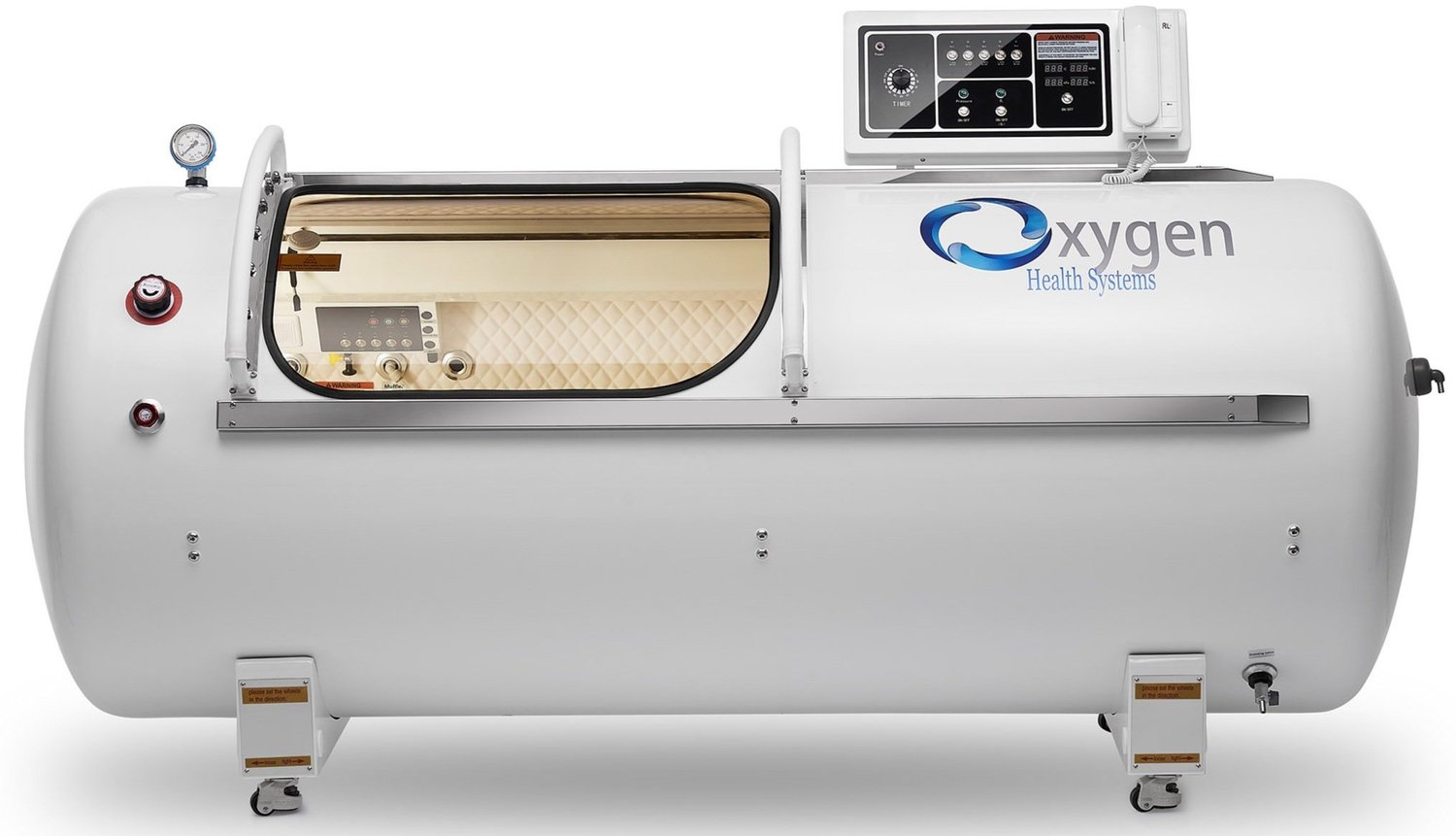
Hyperbaric Oxygen Therapy (HBOT) has emerged as a promising treatment option for various neurological conditions. Despite its historical reputation primarily as a treatment for decompression sickness, recent advancements have expanded its utility significantly into neurology. This non-invasive therapy involves breathing pure oxygen in a pressurized chamber, enhancing oxygen uptake in the bloodstream and promoting healing. As understanding of its potential benefits grows, so too does its application in addressing complex neurological disorders.
Understanding Hyperbaric Oxygen Therapy
Hyperbaric Oxygen Therapy is not just an experimental treatment; it is a scientifically backed method that has gained traction in the medical community. The principle behind HBOT is straightforward: by increasing atmospheric pressure, oxygen dissolves into bodily fluids at higher concentrations. This process can aid in repairing damaged tissues and improving overall cellular function.
Mechanisms of Action
- Enhances oxygen delivery to tissues.
- Promotes angiogenesis, the formation of new blood vessels.
- Reduces inflammation and oxidative stress.
- Stimulates neural progenitor cells and neurogenesis.
- Improves mitochondrial function and energy production.
These mechanisms contribute to its potential in treating neurological conditions, offering hope for improved outcomes in patients.
Applications in Neurological Conditions
HBOT’s potential in neurology is vast, with research supporting its efficacy in numerous conditions:
Stroke Recovery
Stroke remains a leading cause of disability, and HBOT has shown promise in aiding recovery. By increasing oxygen levels, HBOT can help restore blood flow to affected areas and minimize further brain damage. Discover expert strategies here for integrating HBOT into stroke rehabilitation protocols.
Traumatic Brain Injury (TBI)
For individuals suffering from TBI, HBOT can significantly improve cognitive and behavioral functions. The therapy helps reduce brain swelling and accelerates the healing process. Find out more about this approach and how it can complement traditional treatments.
Multiple Sclerosis (MS)
Patients with MS may experience symptom relief through HBOT, which can help manage fatigue, pain, and motor function issues. The therapy acts by reducing inflammation and supporting nerve repair. Learn about our tailored solutions for MS management.
Autism Spectrum Disorder (ASD)
While research is still ongoing, preliminary findings suggest that HBOT may offer benefits for children with ASD by improving brain function and behavior. The therapy’s ability to enhance cerebral oxygenation may be pivotal in these improvements. Explore advanced guides and tips on HBOT and autism.
The Future of HBOT in Neurology
The potential of Hyperbaric Oxygen Therapy in neurology is just beginning to be realized. As more research is conducted, its applications are likely to expand further, offering new hope to patients with neurological conditions. The integration of HBOT into standard medical care could revolutionize treatment protocols, providing a complementary approach to traditional therapies.
In conclusion, Hyperbaric Oxygen Therapy represents a frontier in neurological treatment, with its ability to promote healing and improve function in various conditions. As it becomes more widely adopted, it is essential for patients and healthcare providers to understand its benefits and limitations. Explore advanced guides and tips to stay informed about the latest advancements and applications of HBOT in neurology.