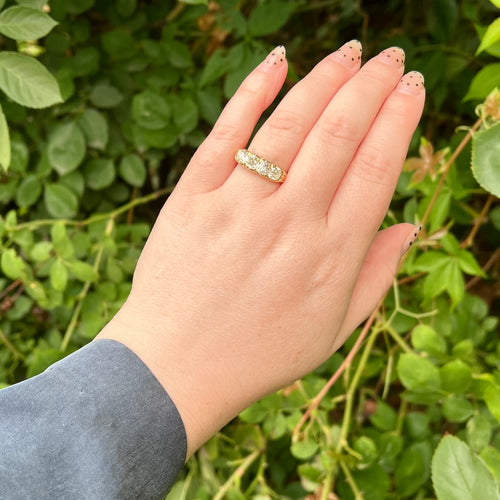
Victorian jewelry, with its intricate designs and rich history, continues to captivate collectors and enthusiasts around the world. This era, which spanned from 1837 to 1901 during Queen Victoria?s reign, saw a diverse array of styles and techniques in jewelry making. The pieces from this period are not only a testament to the craftsmanship of the time but also reflect the social and cultural shifts of the Victorian era. From the romanticism of the early period to the opulence of the grandiose designs towards the end, Victorian jewelry offers a glimpse into a world of elegance and sophistication that remains timeless. Read more about this topic.
Key Characteristics of Victorian Jewelry
Victorian jewelry is characterized by its use of various motifs, materials, and techniques. Here are some key features that define this era of jewelry:
- Motifs: Nature-inspired designs such as flowers, leaves, and animals were prevalent. The use of symbolic motifs, including hearts, anchors, and crosses, conveyed personal sentiments and beliefs.
- Materials: Gold was a dominant material, often combined with precious and semi-precious stones like diamonds, emeralds, and sapphires. Enamel work and the use of pearls were also popular.
- Techniques: Techniques such as repouss? (metalworking technique), engraving, and the use of filigree added intricate details to the pieces.
Victorian jewelry is a fascinating field with much to explore. Explore further insights here.
Periods of Victorian Jewelry
Early Victorian or Romantic Period (1837-1850)
The early years of Queen Victoria?s reign were marked by romanticism and a love for nature. Jewelry from this period often featured:
- Sentimental Pieces: Lockets and brooches containing hair or portraits of loved ones were common.
- Nature Motifs: Designs often included flowers, leaves, and serpent motifs, symbolizing eternity and love.
Learn more in this detailed guide about the nuances of this period. Find additional information here.
Middle Victorian or Grand Period (1860-1880)
The Middle Victorian era was influenced by the Industrial Revolution and archaeological discoveries. Key features included:
- Revival Styles: Etruscan and Renaissance revival styles became popular, characterized by intricate goldwork and gemstones.
- Mourning Jewelry: Following Prince Albert’s death, mourning jewelry became widespread, often made with black materials like jet or onyx.
Learn more in this detailed guide.
Late Victorian or Aesthetic Period (1880-1901)
The late Victorian era saw a shift towards more artistic and less formal designs, influenced by the Aesthetic Movement. Traits of this period include:
- Japanese Influence: The use of asymmetrical designs and motifs inspired by Japanese art.
- Simpler Designs: A move towards lighter and more delicate pieces, with an emphasis on colored gemstones and diamonds.
Explore further insights here.
The Enduring Appeal of Victorian Jewelry
Victorian jewelry remains highly sought after by collectors and continues to inspire modern jewelry designers. Its timeless elegance is a testament to the era’s unique blend of artistry, symbolism, and craftsmanship. Whether worn as a statement piece or collected as an investment, Victorian jewelry offers a tangible connection to the past, allowing us to appreciate the beauty and history encapsulated within each piece.