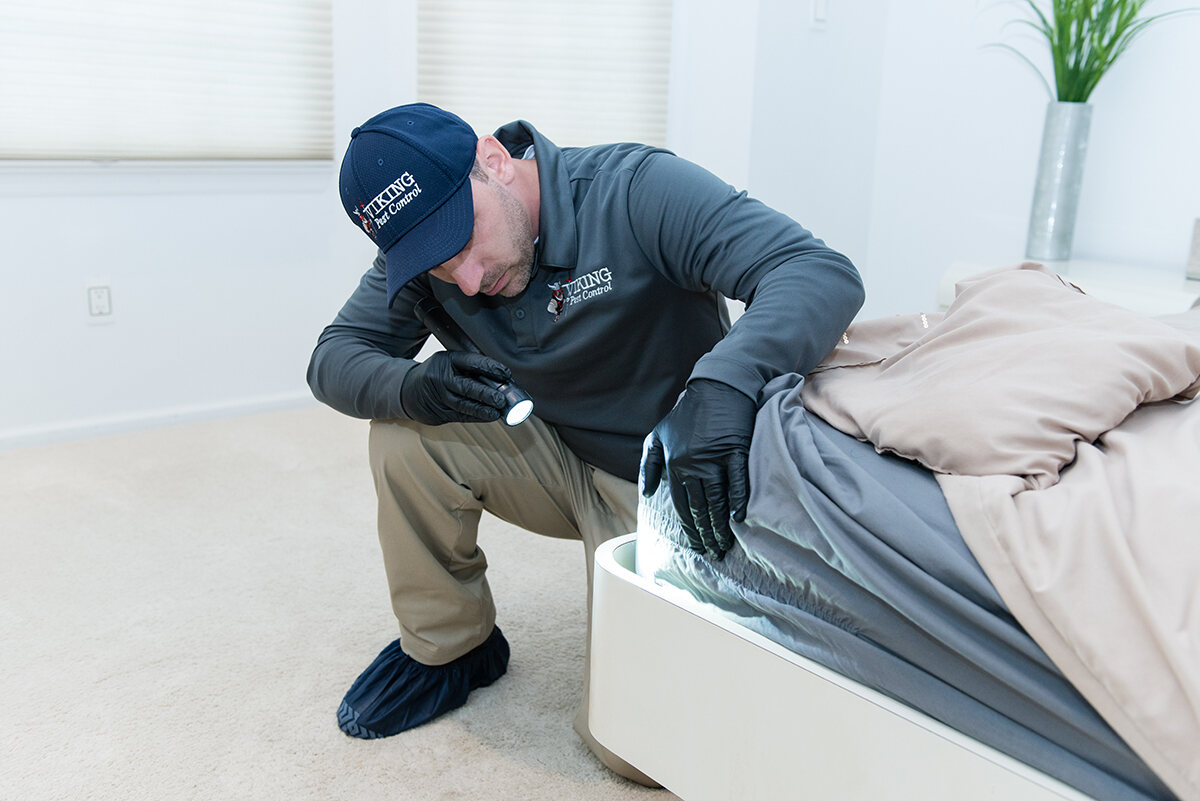
Dealing with a bed bug infestation can be a distressing ordeal for homeowners. These persistent pests are not only a nuisance but also notoriously difficult to eradicate. Understanding the most effective treatment options available is crucial for tackling an infestation efficiently. This article outlines various strategies and techniques for managing bed bugs, ensuring that your home remains a safe and comfortable haven.
Identifying Bed Bug Infestation
Before delving into treatment options, it is essential to confirm the presence of bed bugs. Signs of an infestation include:
- Small, itchy bite marks on the skin, often arranged in a line or cluster.
- Rusty or reddish stains on bed sheets or mattresses caused by crushed bugs.
- Tiny eggs and eggshells, which are about 1mm in size.
- Live bed bugs, which are small, brownish insects about the size of an apple seed.
Accurate identification is crucial, as other pests, such as fleas or carpet beetles, may be mistaken for bed bugs.
Non-Chemical Treatment Methods
Heat Treatment
Heat is one of the most effective non-chemical methods to eliminate bed bugs. Professional pest control services often use specialized equipment to raise the temperature of affected areas to a level that is lethal to bed bugs.
- Whole-room heat treatments are generally effective in eliminating all stages of bed bugs, from eggs to adults.
- DIY heat methods include laundering infested items in hot water and drying them on the highest heat setting.
Cold Treatment
Bed bugs are also vulnerable to extreme cold. Items that cannot be washed can be placed in a freezer set to 0 degrees Fahrenheit for at least four days.
Vacuuming
Regular vacuuming of mattresses, box springs, bed frames, and surrounding areas can help reduce the population of bed bugs. After vacuuming, it is important to dispose of the vacuum bag in a sealed plastic bag and discard it in an outdoor trash can.
Chemical Treatment Options
Insecticides
Chemical treatments are often necessary for severe infestations. Various insecticides are available, including:
- Bed bug treatment sprays containing pyrethroids, a common class of chemicals used to kill bed bugs.
- Desiccants, such as diatomaceous earth, which destroy the protective coating on bed bugs, leading to dehydration and death.
- Neonicotinoids, which disrupt the nervous system of bed bugs, effectively exterminating them.
It is important to follow the instructions carefully when using chemical treatments, as improper use can pose health risks to humans and pets.
Integrated Pest Management (IPM)
Integrated Pest Management is a comprehensive approach that combines multiple strategies to manage bed bug infestations effectively. This method involves:
- Regular monitoring and inspection to detect the presence of bed bugs early.
- Non-chemical methods, such as heat and vacuuming, as the first line of defense.
- Targeted use of chemical treatments when necessary, ensuring minimal impact on the environment.
IPM emphasizes the importance of education and awareness, empowering homeowners to prevent future infestations.
Preventing Future Infestations
Preventive measures are key to avoiding recurrent bed bug problems. Consider the following tips:
- Regularly inspect second-hand furniture before bringing it into your home.
- Encase mattresses and box springs in protective covers to minimize hiding spots for bed bugs.
- Reduce clutter, which provides additional hiding places for bed bugs.
- Be vigilant when traveling, inspecting hotel beds and luggage racks for signs of bed bugs.
By implementing these preventive strategies, homeowners can significantly reduce the risk of future infestations.
Effectively managing a bed bug infestation requires a thorough understanding of available treatment options and preventive measures. By employing a combination of non-chemical and chemical methods, alongside preventive strategies, homeowners can successfully rid their homes of these persistent pests and ensure a peaceful living environment.