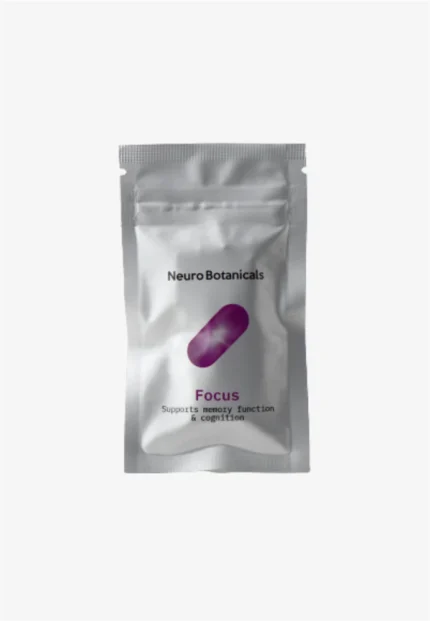
Microdosing mushrooms has moved from underground curiosity to a mainstream wellness practice, offering subtle yet measurable benefits without the intense psychedelic experience associated with larger doses. For newcomers, the concept can feel both exciting and confusing, what dosage is appropriate, how often should one dose, and what results can be expected? This guide breaks down the fundamentals of microdosing, explains the science behind the practice, and provides practical steps to start safely and effectively.
What Is Microdosing?
Microdosing involves consuming a sub-perceptual amount of a psychedelic substance, typically 1/10 to 1/20 of a recreational dose, on a regular schedule. The goal is to harness potential cognitive, emotional, and physical enhancements while avoiding full-blown hallucinations. When it comes to psilocybin-containing mushrooms, a microdose usually ranges from 0.1″?g to 0.3″?g of dried material, often delivered in capsule form for consistency.
Why Choose Mushroom Micro Dose?
Research and anecdotal reports suggest several areas where a micro dose mushroom may be beneficial:
- Enhanced focus and creativity: Users often report smoother flow of ideas and improved concentration on tasks.
- Elevated mood: Small doses can help stabilize emotional swings and reduce mild anxiety.
- Increased energy: A subtle boost in motivation without the jittery feeling of caffeine.
- Neuroplasticity support: Early studies indicate psilocybin may promote the growth of new neural connections.
How to Start Safely
1. Choose a Reliable Source
Quality matters. Selecting products that are lab-tested for potency and contaminants ensures a consistent and safe experience. Purchasing microdose mushrooms online from reputable vendors reduces the risk of misidentification or adulteration.
2. Determine Your Dose
Begin with the lowest recommended amount, typically 0.1″?g of dried mushrooms or one microdose mushroom capsule. Adjust gradually based on personal sensitivity and desired effects.
3. Establish a Schedule
Most protocols follow a “one-day-on, two-days-off” pattern, allowing the body to reset and minimizing tolerance build-up. A simple calendar might look like this:
- Day 1 – Dose
- Day 2 – No dose
- Day 3 – No dose
- Repeat
4. Track Your Experience
Maintain a journal noting dosage, timing, mood, productivity, and any side effects. Over several weeks, patterns will emerge, guiding fine-tuning of dose and frequency.
Potential Benefits Backed by Science
While large-scale clinical trials are still emerging, several studies provide insight into the mechanisms behind microdosing:
- Serotonin modulation: Psilocybin interacts with serotonin receptors, influencing mood and cognition.
- Inflammation reduction: Early animal research suggests anti-inflammatory properties that could support overall brain health.
- Default mode network (DMN) activity: Low doses appear to subtly quiet the DMN, a brain region linked to rumination, potentially fostering a clearer mental state.
Common Misconceptions
Understanding what microdosing is not helps set realistic expectations:
- It’s not a “magic pill” for instant success. Benefits are cumulative and often subtle.
- It does not guarantee a psychedelic trip. Proper dosing stays well below the threshold for hallucinations.
- It isn’t a substitute for professional mental-health care. Individuals with a history of psychosis or severe mood disorders should consult a clinician before trying.
Choosing the Right Product Format
For beginners, consistency is key. Two popular formats include:
Pre-Measured Capsules
Capsules such as microdose mushroom capsules provide precise dosing, eliminating the need for a scale. They are discreet, portable, and ideal for daily routines.
Loose Powder
Powdered mushrooms allow flexibility in dosing but require a reliable scale (0.01″?g precision) and careful measurement. This format can be mixed into food or beverages for convenience.
Legal and Safety Considerations
The legal status of psilocybin varies worldwide. In many jurisdictions, possession of any psilocybin-containing material remains illegal, though some regions have de-criminalized personal use. Always verify local regulations before purchasing or consuming microdose mushrooms. Additionally, avoid combining microdoses with other psychoactive substances, especially alcohol or prescription medications, without professional guidance.
Integrating Microdosing Into Daily Life
When incorporated thoughtfully, a microdose can complement existing wellness practices:
- Meditation: Many users notice deeper focus during mindfulness sessions.
- Exercise: A subtle energy lift can enhance workout consistency.
- Creative work: Writers, artists, and programmers often report smoother idea flow.
Remember that the microdose is a tool, not a replacement for foundational habits like sleep, nutrition, and regular physical activity.
Conclusion
Embarking on a microdosing journey requires curiosity, patience, and a disciplined approach. By selecting high-quality microdose mushroom capsules, starting with a conservative dose, and tracking outcomes, beginners can explore potential enhancements to mood, focus, and overall well-being. As scientific research continues to evolve, staying informed and respecting legal boundaries will ensure a safe and rewarding experience.