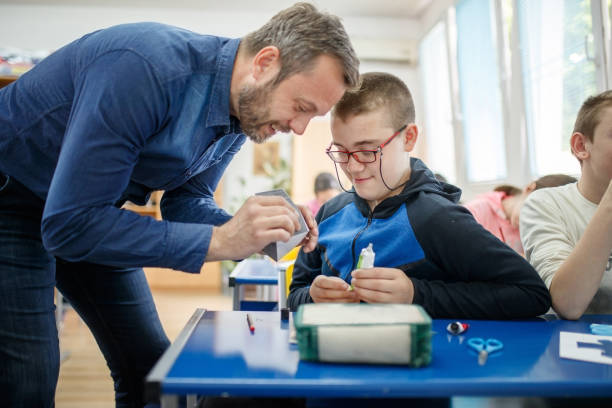
Therapeutic education services play a pivotal role in supporting children with autism spectrum disorder (ASD) as they navigate academic, social, and emotional challenges. By integrating evidence-based interventions with individualized instructional strategies, these services aim to enhance communication skills, promote adaptive behavior, and foster a positive learning environment. Understanding the core components, delivery models, and measurable outcomes of therapeutic education can help families, educators, and clinicians make informed decisions that align with each child’s unique strengths and needs.
Key Components of Therapeutic Education for Autism
Individualized Curriculum Design
Effective programs begin with a thorough assessment that informs a customized curriculum. This curriculum typically addresses:
- Language and communication development
- Social interaction and peer relationship building
- Executive functioning and self-regulation skills
- Academic content aligned with state standards
Evidence-Based Intervention Strategies
Therapeutic educators draw from a range of proven approaches, such as:
- Applied Behavior Analysis (ABA) techniques for skill acquisition
- Speech-language therapy to improve expressive and receptive language
- Occupational therapy methods that support sensory integration
- Social stories and video modeling for perspective-taking
For a deeper dive into how these strategies are integrated, Read more about this topic.
Delivery Models and Settings
One-to-One Instruction
Personalized, one-to-one sessions allow educators to tailor prompts and reinforcement in real time. This model is especially beneficial for children who require intensive support in communication or behavior regulation.
Small Group Sessions
Small groups (typically 3-5 children) facilitate peer interaction while maintaining a manageable teacher-to-student ratio. Group work promotes generalization of social skills across different contexts.
Integrated Classroom Support
Therapeutic educators collaborate with general education teachers to embed interventions within the regular classroom. This inclusive approach helps children with autism participate alongside neurotypical peers and reduces stigmatization.
To explore how integrated models can be structured, Learn more in this detailed guide.
Assessment and Progress Monitoring
Continuous data collection is essential for tracking growth and adjusting interventions. Common tools include:
- Functional Behavior Assessments (FBA) to identify triggers and functions of behavior
- Curriculum-Based Measurements (CBM) for academic progress
- Standardized language and social-communication scales
- Parent and teacher rating forms for generalization across settings
Regular review cycles, often weekly or monthly, ensure that goals remain relevant and that instructional techniques are responsive to emerging needs. For additional guidance on effective monitoring practices, Explore further insights here.
Family Involvement and Collaboration
Successful therapeutic education extends beyond the classroom. Engaging families creates consistency and reinforces skill acquisition at home. Key collaborative practices include:
- Weekly consultation meetings to discuss progress and modify goals
- Home-based activity kits that align with classroom objectives
- Training sessions for caregivers on behavior-support strategies
- Clear communication channels (e-mail, portals, or phone) for real-time updates
Resources that support family-centered approaches can be found by Find additional information here.
Outcomes and Long-Term Benefits
Research consistently demonstrates that children who receive comprehensive therapeutic education experience measurable improvements in several domains:
- Increased functional communication and reduced reliance on augmentative devices
- Enhanced social reciprocity and peer acceptance
- Improved academic achievement and higher rates of grade-level proficiency
- Greater independence in daily living skills, leading to smoother transitions to post-secondary settings
Longitudinal studies also suggest that early and sustained intervention correlates with reduced need for intensive supports later in life, underscoring the value of investing in quality therapeutic education from the outset.
Choosing the Right Service Provider
When evaluating potential therapeutic education providers, consider the following criteria:
- Credentials and specialized training of staff (e.g., BCBA, SLP, OT)
- Evidence of data-driven practice and outcome reporting
- Flexibility in program design to accommodate changing needs
- Collaborative philosophy that includes teachers, families, and allied professionals
Understanding these factors helps families align services with their child’s developmental trajectory and educational goals.
Conclusion
Therapeutic education services for children with autism combine individualized curriculum design, evidence-based interventions, and collaborative implementation to foster meaningful growth across communication, social, and academic domains. By emphasizing continuous assessment, family partnership, and inclusive practices, these programs create supportive environments where children can thrive. Stakeholders who prioritize data-informed decision-making and holistic collaboration are best positioned to deliver lasting, positive outcomes for children on the autism spectrum.