The process of powder coating is a highly efficient and durable technique used to protect metal surfaces. However, to ensure optimal adhesion and finish, the surface preparation stage is crucial. The preparation techniques employed can significantly influence the quality and longevity of the powder coating. This article delves into the top metal surface preparation techniques that are pivotal for a successful powder coating outcome.
Sandblasting
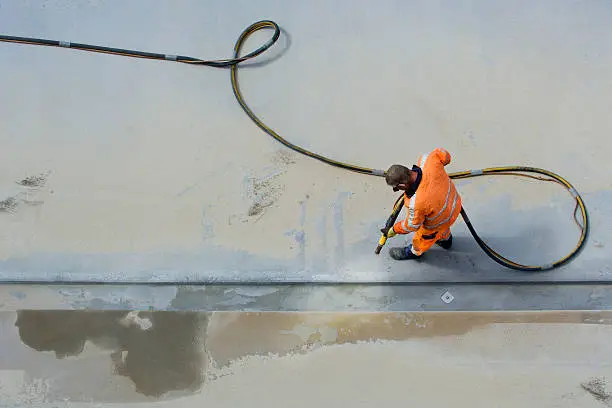
Sandblasting is a widely recognized method for preparing metal surfaces. It involves propelling abrasive particles against a surface under high pressure to remove rust, paint, and other contaminants. This technique is highly effective for metal surface preparation, providing a clean, roughened surface ideal for powder coating adhesion.
Benefits of Sandblasting
- Efficient removal of rust and old coatings.
- Creates a uniform surface texture.
- Improves coating adhesion.
For those seeking sandblast rust removal or sandblasting paint removal, this method is unparalleled in terms of precision and effectiveness.
Chemical Cleaning
Chemical cleaning involves the use of solvents and acids to remove oils, grease, and other contaminants from metal surfaces. This method is particularly effective for intricate parts and assemblies where mechanical cleaning methods might be impractical.
Advantages of Chemical Cleaning
- Reaches hard-to-clean areas.
- Effective at removing organic contaminants.
- Prepares surfaces for additional treatment processes.
When choosing chemical cleaning, it is essential to consider the type of metal and the specific contaminants present to ensure an effective cleaning process.
Mechanical Abrasion
Mechanical abrasion includes techniques such as sanding and grinding. These methods are particularly useful for removing surface imperfections and achieving a smooth finish. While abrasive blasting concrete is more common for larger surfaces, mechanical abrasion is ideal for detailed work.
Key Points to Consider
- Suitable for precision work on small areas.
- Can be used in combination with other techniques for enhanced results.
- Requires skilled labor to avoid surface damage.
Mechanical abrasion is often used for metal prep for powder coating, ensuring the surface is adequately smooth and free of defects.
Phosphate Coating
Phosphate coating is a chemical conversion process that forms a thin, adherent layer on the metal surface. This layer enhances corrosion resistance and provides an excellent base for subsequent coatings, including powder coatings.
Why Use Phosphate Coating?
- Improves corrosion resistance.
- Enhances adhesion of subsequent coatings.
- Cost-effective for large-scale applications.
Phosphate coating is frequently used in conjunction with other methods like industrial sandblasting and painting to ensure a comprehensive approach to surface preparation.
Conclusion
Proper preparation of metal surfaces is an integral part of the powder coating process. Each technique offers unique advantages and can be selected based on the specific requirements of the project. Whether opting for sandblasting sacramento, chemical cleaning, or mechanical abrasion, understanding the strengths of each method ensures a high-quality and durable finish. Additionally, for more comprehensive needs, such as sandblasting concrete to remove paint or concrete sandblasting near me, these techniques can be adapted effectively to meet the diverse demands of various projects.